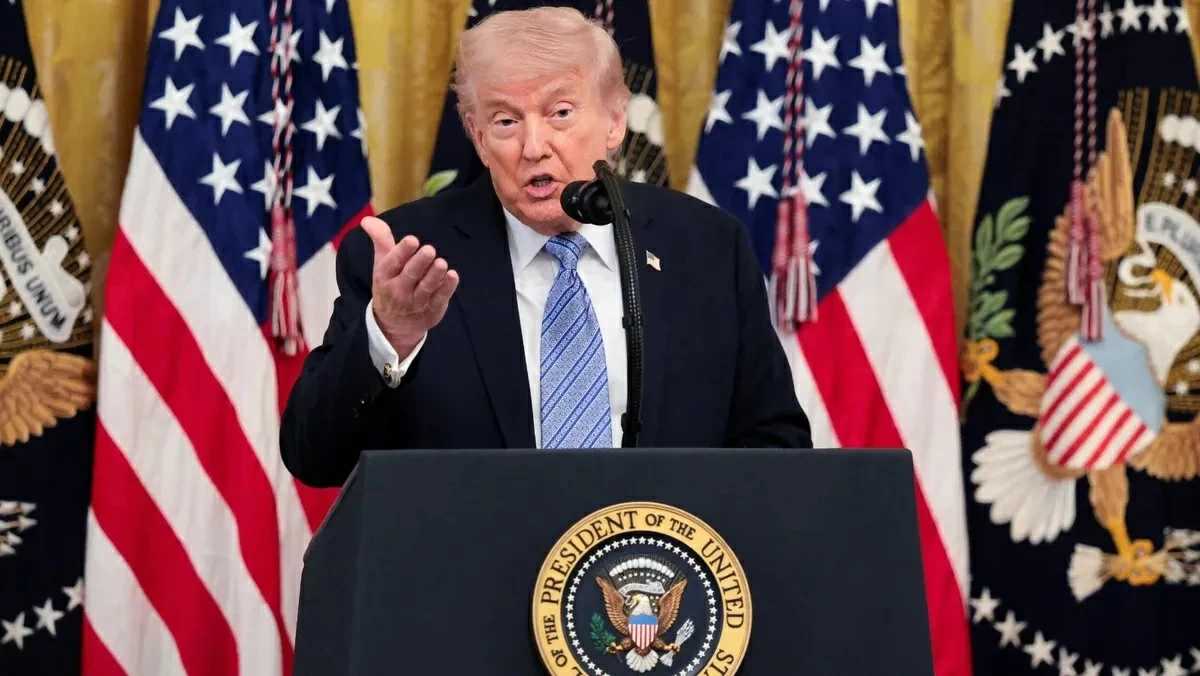
تتزايد المخاوف من انهيار وقف إطلاق النار «الهش» بين إيران والولايات المتحدة، في ظل مواجهات شهدها مضيق هرمز ومنطقة الخليج العربي، ما يعقّد الجهود الدبلوماسية الرامية إلى إنهاء الحرب المستمرة منذ أسابيع.
فيما دخلت عملية «مشروع الحرية» يومها الثاني، وسط إعلان مسؤولين أمريكيين بأن الرئيس دونالد ترمب يريد تسوية تفاوضية.
تأمين عبور السفن العالقة
وفي هذا السياق، دعت باكستان التي تلعب دور الوسيط، إلى التزام جميع الأطراف بالهدنة لإفساح المجال أمام استئناف الحوار.
وشهد المضيق، أمس الإثنين، هجمات استهدفت مدمرتين أمريكيتين وسفينتي شحن، تزامناً مع توسيع الولايات المتحدة عملياتها البحرية ضمن مهمة أطلقت عليها اسم «مشروع الحرية»؛ بهدف تأمين عبور السفن العالقة وضمان حرية الملاحة في هذا الممر الحيوي.
وقال قائد القيادة المركزية الأمريكية «سنتكوم» الأدميرال براد كوبر: إن إيران أطلقت صواريخ كروز وطائرات مسيّرة باتجاه سفن حربية وتجارية أمريكية، دون تسجيل إصابات مباشرة، مضيفاً أن القوات الأمريكية دمرت 6 زوارق سريعة إيرانية حاولت ملاحقة سفن تجارية في المنطقة.
في المقابل، صعّد الحرس الثوري الإيراني من لهجته، إذ حذر قائده أحمد وحيدي من أن أي وجود عسكري أمريكي في المضيق سيُعد «هدفاً مشروعاً»، مؤكداً أن السيطرة على هذا الممر الاستراتيجي تبقى بيد طهران. كما اعتبرت إيران أن أي محاولة أمريكية للتدخل في إدارة المضيق تمثل انتهاكاً لوقف إطلاق النار.
ترمب أمام خيارات صعبة
ووضعت التطورات الأخيرة الرئيس ترمب أمام خيارات صعبة، بين الرد العسكري على ما تعتبره واشنطن استفزازاً إيرانياً، أو مواصلة المسار الدبلوماسي لتجنب انزلاق المنطقة إلى صراع أوسع. ونقلت تقارير إعلامية أمريكية أن ترمب يميل حالياً إلى احتواء التصعيد، مع الإبقاء على خيار التفاوض، رغم ضغوط متزايدة من حلفائه لاتخاذ موقف أكثر تشدداً.
ونقلت صحيفة «وول ستريت جورنال» عن مسؤولين أمريكيين قولهم، إن ترمب ظل أياماً عدة متردداً في خيارين «متناقضين» بين معاقبة إيران بشدة بسبب تمسكها ببرنامجها النووي، أو تجنب تصعيد كبير قد يجر الولايات المتحدة إلى صراع أوسع في الشرق الأوسط.
واشنطن تعزّز الوجود العسكري
ورغم ذلك، تواصل الإدارة الأمريكية تعزيز وجودها العسكري في المنطقة، إذ أعلنت «سنتكوم» استخدام مروحيات هجومية من طراز «أباتشي» للتصدي للزوارق الإيرانية، إلى جانب نشر مدمرات وصواريخ موجهة وأكثر من 100 طائرة حربية ضمن عمليات تأمين الملاحة.
وأدى التصعيد الأخير إلى تراجع حركة السفن بشكل ملحوظ، مع تكدس مئات السفن في مياه الخليج، خصوصاً قبالة سواحل دبي، في ظل مخاوف من اتساع نطاق المواجهة.
وفي ظل هذا المشهد المعقد، تبقى فرص التهدئة مرهونة بمدى التزام الطرفين بضبط النفس، وإعطاء المسار الدبلوماسي فرصة لتجنب مواجهة قد تكون لها تداعيات واسعة على استقرار المنطقة والعالم.
Fears are growing over the collapse of the "fragile" ceasefire between Iran and the United States, amid confrontations witnessed in the Strait of Hormuz and the Arabian Gulf, complicating diplomatic efforts aimed at ending the war that has been ongoing for weeks.
As the "Freedom Project" operation entered its second day, American officials announced that President Donald Trump seeks a negotiated settlement.
Securing the passage of stranded ships
In this context, Pakistan, which plays the role of mediator, called for all parties to adhere to the truce to allow for the resumption of dialogue.
On Monday, the Strait witnessed attacks targeting two American destroyers and two cargo ships, coinciding with the United States expanding its naval operations under a mission dubbed "Freedom Project"; aimed at securing the passage of stranded ships and ensuring freedom of navigation in this vital corridor.
U.S. Central Command (CENTCOM) Commander Admiral Brad Cooper stated that Iran launched cruise missiles and drones towards American warships and commercial vessels, without recording direct hits, adding that U.S. forces destroyed six Iranian fast boats that attempted to chase commercial ships in the area.
In contrast, the Iranian Revolutionary Guard intensified its rhetoric, with its commander Ahmad Vahidi warning that any U.S. military presence in the Strait would be considered a "legitimate target," emphasizing that control over this strategic passage remains in Tehran's hands. Iran also deemed any American attempt to intervene in managing the Strait as a violation of the ceasefire.
Trump faces tough choices
The recent developments have placed President Trump in a difficult position, caught between a military response to what Washington considers an Iranian provocation, or continuing the diplomatic path to avoid the region sliding into a broader conflict. American media reports indicated that Trump currently leans towards containing the escalation while keeping the negotiation option open, despite increasing pressure from his allies to take a tougher stance.
The Wall Street Journal reported that U.S. officials said Trump had been hesitant for several days between two "contradictory" options: to severely punish Iran for its commitment to its nuclear program, or to avoid a major escalation that could drag the United States into a wider conflict in the Middle East.
Washington strengthens military presence
Despite this, the U.S. administration continues to bolster its military presence in the region, announcing that CENTCOM is using Apache attack helicopters to counter Iranian boats, in addition to deploying destroyers, guided missiles, and more than 100 warplanes as part of maritime security operations.
The recent escalation has led to a noticeable decline in ship traffic, with hundreds of vessels piling up in Gulf waters, particularly off the coast of Dubai, amid fears of the confrontation widening.
In light of this complex situation, the chances for de-escalation remain contingent on both parties' commitment to restraint and giving the diplomatic path a chance to avoid a confrontation that could have wide-ranging implications for the stability of the region and the world.