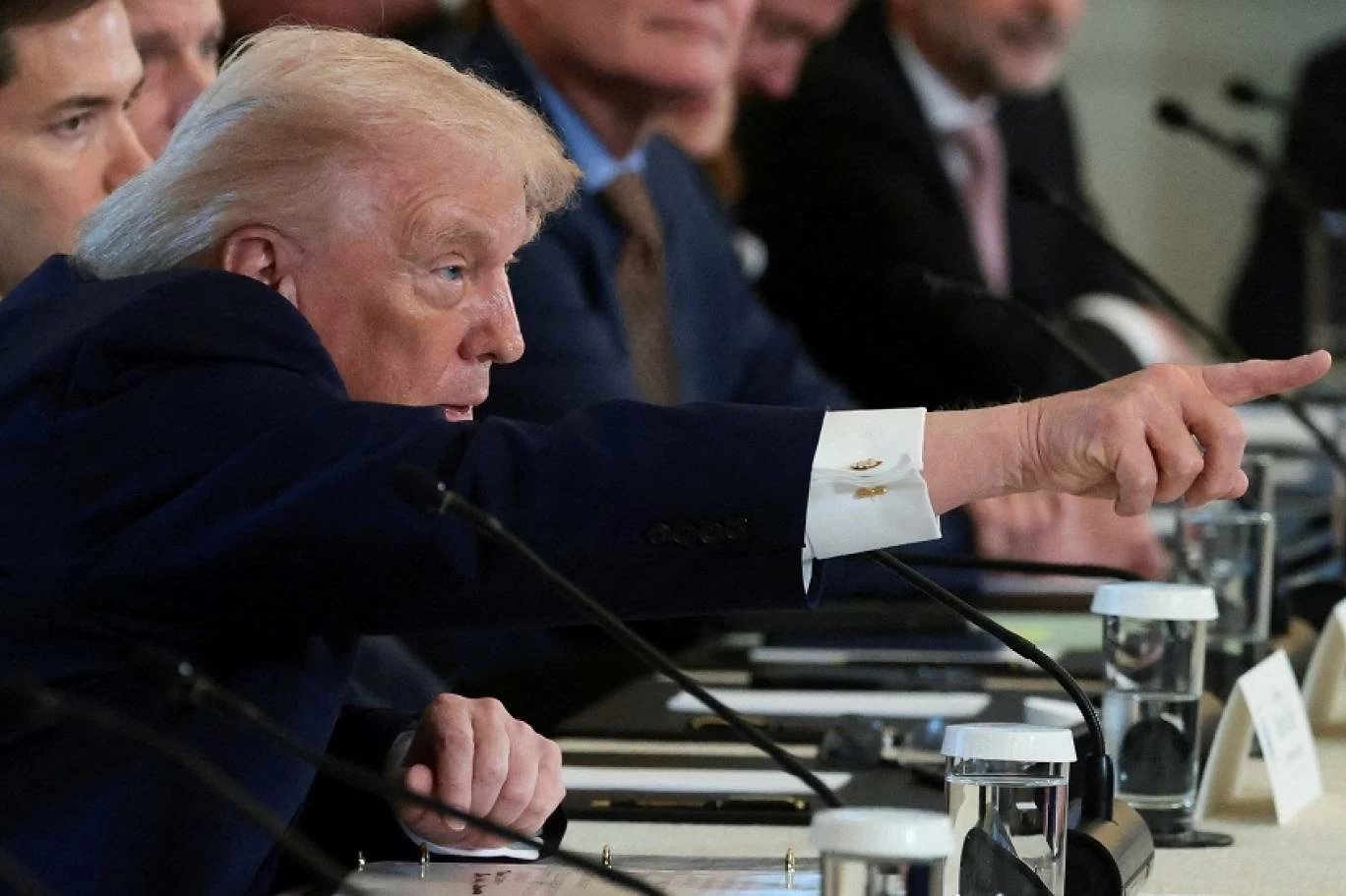
وسط تصاعد وتيرة الحرب في الشرق الأوسط، وتهديد الرئيس الأمريكي دونالد ترمب بفتح «أبواب الجحيم» على إيران بعد انتهاء مهلة الأيام العشرة غداً الإثنين، حذّر خبراء عسكريون من احتمالات تصعيد واسع خلال الساعات القادمة، ما لم يتم التوصل إلى اتفاق أو فتح مضيق هرمز أمام حركة الملاحة العالمية.
كل السيناريوهات على الطاولة
ورجّح مراقبون عسكريون أن تحمل الأيام القادمة، خصوصاً بعد انتهاء مهلة ترمب، سيناريوهات عدة، تراوح بين توجيه الولايات المتحدة ضربة جوية على المرافق الحيوية الإيرانية لاسيما منشآت الطاقة، أو الاجتياح البري المحدود. ولم يستبعد محللون احتمال الانسحاب الأمريكي المفاجئ مع إعلان النصر.
ويعتقد هؤلاء أن الساعات الـ24 القادمة ستكون حاسمة، مع احتمال تصعيد شامل أو انسحاب مفاجئ من قِبل الولايات المتحدة، إذ إن كل السيناريوهات على الطاولة، إلا أن القرار النهائي يظل في يد الرئيسي الأمريكي.
إطالة أمد الصراع
وفي خضم التصعيد العسكري المتواصل، ظهرت تقديرات تشير إلى أن مسار الحرب لن يتوقف قريباً، لكنه يتجه نحو مزيد من التوسع والتعقيد.
وتوقع المسؤول السابق في وزارة الحرب الأمريكية (البنتاغون) ديفيد دي روش، أن تستمر الولايات المتحدة في هذه الحرب، لافتاً أن طبيعة المواجهة الحالية، وإستراتيجية الطرفين، تدفعان نحو إطالة أمد الصراع بدل احتوائه.
وأفاد بأن الإستراتيجية الإيرانية تقوم على توسيع رقعة المواجهة جغرافيا، من خلال استهداف البنية التحتية المدنية في دول الخليج؛ بهدف خلق تأثير إعلامي واسع وإظهار زخم ميداني، حتى وإن لم تكن هذه الهجمات حاسمة عسكرياً.
احتمال دخول قوات برية
ووصف الإستراتيجية الأمريكية والإسرائيلية بأنها تعتمد على استهداف منهجي لقائمة أهداف عسكرية وبنى تحتية، يتم تحديثها بشكل دوري، دون تغيير جذري في نمط العمليات.
ولم يستبعد احتمال إدخال قوات برية، من مشاة البحرية والمظليين، وهو ما قد يدفع إيران إلى الخروج من حالة التحصن وإجبارها على الانخراط المباشر في المواجهة.
وعلى صعيد القدرات العسكرية الإيرانية، لفت المسؤول الأمريكي إلى أن الصواريخ لم تعد تمثل تهديداً عسكرياً حاسماً، لكنها تحولت إلى أداة إزعاج فعالة، تستخدم لاستهداف مواقع مدنية غير محمية، ما يخلق ضغطاً نفسياً وإعلامياً، حتى في حال تراجع تأثيرها العسكري المباشر.
هل خيار وقف الحرب متاح ؟
وأضاف أن الضربات التي استهدفت مواقع عسكرية، بما في ذلك ما وصفها بـ«مدينة صواريخ» في أصفهان، تمثل «مدخلات» في المعركة، لكن النتيجة الحقيقية لا تقاس إلا بتوقف الهجمات الإيرانية، سواء بالصواريخ أو عبر استهداف الملاحة في مضيق هرمز، وهو ما لم يحدث حتى الآن.
واستند إلى ما أشار إليه محللون من أن التهديد في مضيق هرمز لم يعد يقتصر على الصواريخ الثقيلة، بل يشمل سيناريوهات منخفضة التكلفة وعالية التأثير، مثل الزوارق السريعة المفخخة أو الألغام البحرية، التي يمكن أن تعطل حركة الملاحة بسهولة.
ورأى أن إدارة ترمب تجد نفسها أمام معادلة معقدة، إذ لا يبدو خيار الانسحاب متاحاً دون كلفة سياسية وإستراتيجية كبيرة، وهو ما يجعل استمرار الحرب، رغم تعقيداتها، المسار الأكثر ترجيحاً في المرحلة القادمة.
Amid the escalating war in the Middle East and U.S. President Donald Trump's threat to open the "gates of hell" on Iran after the ten-day deadline expires tomorrow, Monday, military experts have warned of the possibility of a broad escalation in the coming hours unless an agreement is reached or the Strait of Hormuz is opened to global shipping.
All scenarios on the table
Military observers have suggested that the coming days, especially after Trump's deadline, may bring several scenarios, ranging from a U.S. airstrike on vital Iranian facilities, particularly energy installations, to a limited ground invasion. Analysts have not ruled out the possibility of a sudden U.S. withdrawal with an announcement of victory.
These experts believe that the next 24 hours will be crucial, with the potential for a comprehensive escalation or a sudden withdrawal by the United States, as all scenarios are on the table, but the final decision remains in the hands of the U.S. president.
Prolonging the conflict
In the midst of ongoing military escalation, estimates have emerged indicating that the course of the war will not stop anytime soon but is heading towards further expansion and complexity.
Former U.S. Department of Defense official David DeRoche predicted that the United States would continue in this war, noting that the nature of the current confrontation and the strategies of both sides push towards prolonging the conflict rather than containing it.
He stated that the Iranian strategy is based on geographically expanding the confrontation by targeting civilian infrastructure in Gulf countries, aiming to create a broad media impact and demonstrate field momentum, even if these attacks are not militarily decisive.
Possibility of ground forces entering
He described the U.S. and Israeli strategy as relying on a systematic targeting of a list of military and infrastructure objectives, which is periodically updated, without a fundamental change in the pattern of operations.
He did not rule out the possibility of introducing ground forces, such as Marines and paratroopers, which could push Iran to emerge from its fortified state and compel it to engage directly in the confrontation.
Regarding Iranian military capabilities, the U.S. official pointed out that missiles no longer represent a decisive military threat but have become an effective nuisance tool used to target unprotected civilian sites, creating psychological and media pressure, even if their direct military impact has diminished.
Is the option to stop the war available?
He added that the strikes targeting military sites, including what he described as a "missile city" in Isfahan, represent "inputs" in the battle, but the real outcome can only be measured by the cessation of Iranian attacks, whether by missiles or through targeting shipping in the Strait of Hormuz, which has not happened so far.
He referred to what analysts have indicated, that the threat in the Strait of Hormuz is no longer limited to heavy missiles but includes low-cost, high-impact scenarios, such as explosive speedboats or naval mines, which can easily disrupt shipping traffic.
He observed that the Trump administration finds itself facing a complex equation, as the option of withdrawal does not seem available without significant political and strategic costs, which makes the continuation of the war, despite its complexities, the most likely course in the coming phase.