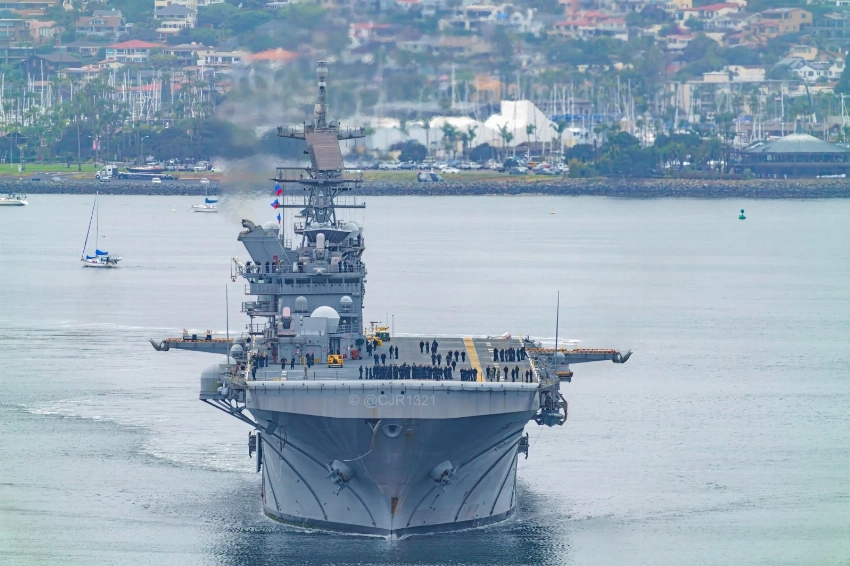
أعلنت القيادة المركزية الأمريكية وصول السفينة الحربية «يو إس إس تريبولي» إلى منطقة مسؤوليتها في الشرق الأوسط، وعلى متنها نحو 3500 بحار وجندي من مشاة البحرية، في خطوة تعزز بشكل ملحوظ الوجود العسكري الأمريكي في المنطقة.
تعزيز عسكري
وأوضحت القيادة، في منشور عبر منصة «إكس»، أن السفينة وصلت في 27 مارس، بالتزامن مع دراسة وزارة الدفاع الأمريكية خياراتها العسكرية في ظل استمرار التوتر مع إيران.
قدرات هجومية
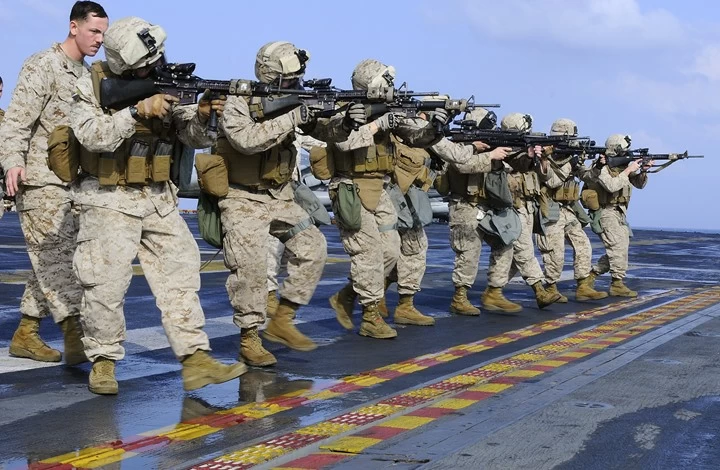
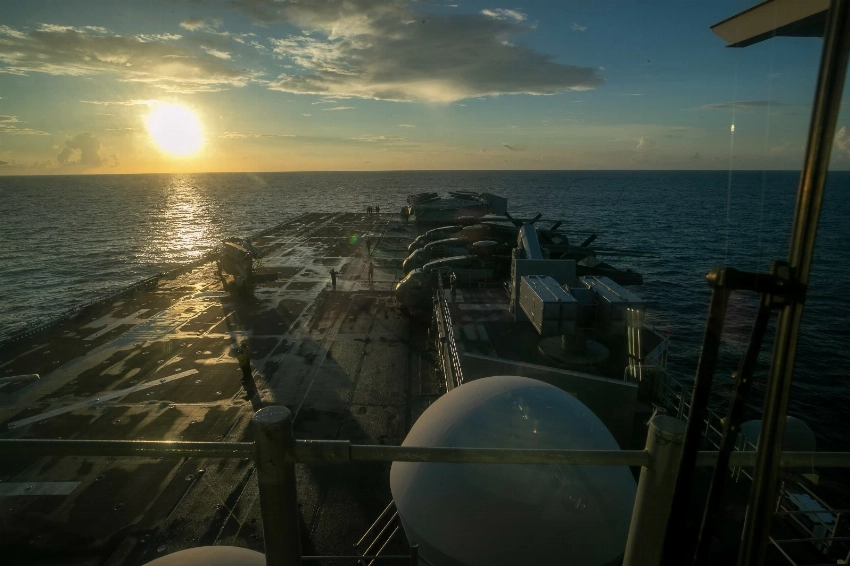
وتُعد «تريبولي» من فئة سفن الهجوم البرمائي، وتعمل كسفينة رئيسية لمجموعة الاستعداد البرمائي المرتبطة بالوحدة الاستكشافية 31 لمشاة البحرية، وهي قوة تتميز بسرعة الانتشار والقدرة على تنفيذ عمليات معقدة برّاً وبحراً وجوّاً.
مهمات متعددة
وتشمل مهمات هذه الوحدات عمليات الإجلاء واسعة النطاق، والإنزال البرمائي، والعمليات القتالية، إضافة إلى تنفيذ مهمات خاصة، ما يجعلها أداة مرنة في إدارة الأزمات العسكرية.
تصعيد إقليمي
ويأتي هذا التحرك ضمن سلسلة تعزيزات أمريكية متواصلة منذ أواخر فبراير، مع تصاعد المواجهات بين الولايات المتحدة وإسرائيل من جهة، وإيران وحلفائها من جهة أخرى، وسط مخاوف من اتساع رقعة الصراع وتهديد أمن الملاحة، خصوصاً في مضيق هرمز.
خيارات مفتوحة
وتشير هذه التعزيزات إلى توجه أمريكي للحفاظ على جاهزية عالية وخيارات متعددة، سواء للرد العسكري أو دعم عمليات الإجلاء وحماية المصالح الأمريكية وحلفائها في المنطقة.
The U.S. Central Command announced the arrival of the warship "USS Tripoli" in its area of responsibility in the Middle East, carrying about 3,500 sailors and Marines, in a move that significantly enhances the U.S. military presence in the region.
Military Reinforcement
The command clarified, in a post on the "X" platform, that the ship arrived on March 27, coinciding with the U.S. Department of Defense's review of its military options amid ongoing tensions with Iran.
Offensive Capabilities
The "Tripoli" is classified as an amphibious assault ship and serves as the flagship for the amphibious readiness group associated with the Marine Expeditionary Unit 31, a force characterized by rapid deployment and the ability to conduct complex operations on land, at sea, and in the air.
Multiple Missions
The missions of these units include large-scale evacuation operations, amphibious landings, combat operations, in addition to executing special missions, making them a flexible tool in managing military crises.
Regional Escalation
This move comes as part of a series of ongoing U.S. reinforcements since late February, amid escalating confrontations between the United States and Israel on one side, and Iran and its allies on the other, with concerns about the widening of the conflict and threats to maritime security, particularly in the Strait of Hormuz.
Open Options
These reinforcements indicate a U.S. approach to maintain high readiness and multiple options, whether for military response or to support evacuation operations and protect American and allied interests in the region.