في أوقات الحروب لا تكون الجبهات وحدها هي ساحة المعركة، بل تمتد المعركة إلى الفضاء الإعلامي، إذ تتزاحم الروايات وتتداخل الحقائق مع الدعاية. وفي ظل التوترات المتصاعدة بين الولايات المتحدة وإيران، يبدو المشهد الإعلامي وكأنه نسخة حديثة من «الهرج والمرج»؛ ضجيج واسع، وتصريحات متناقضة، وكمّ هائل من التحليلات التي يصعب معها تمييز الخبر من الانطباع.
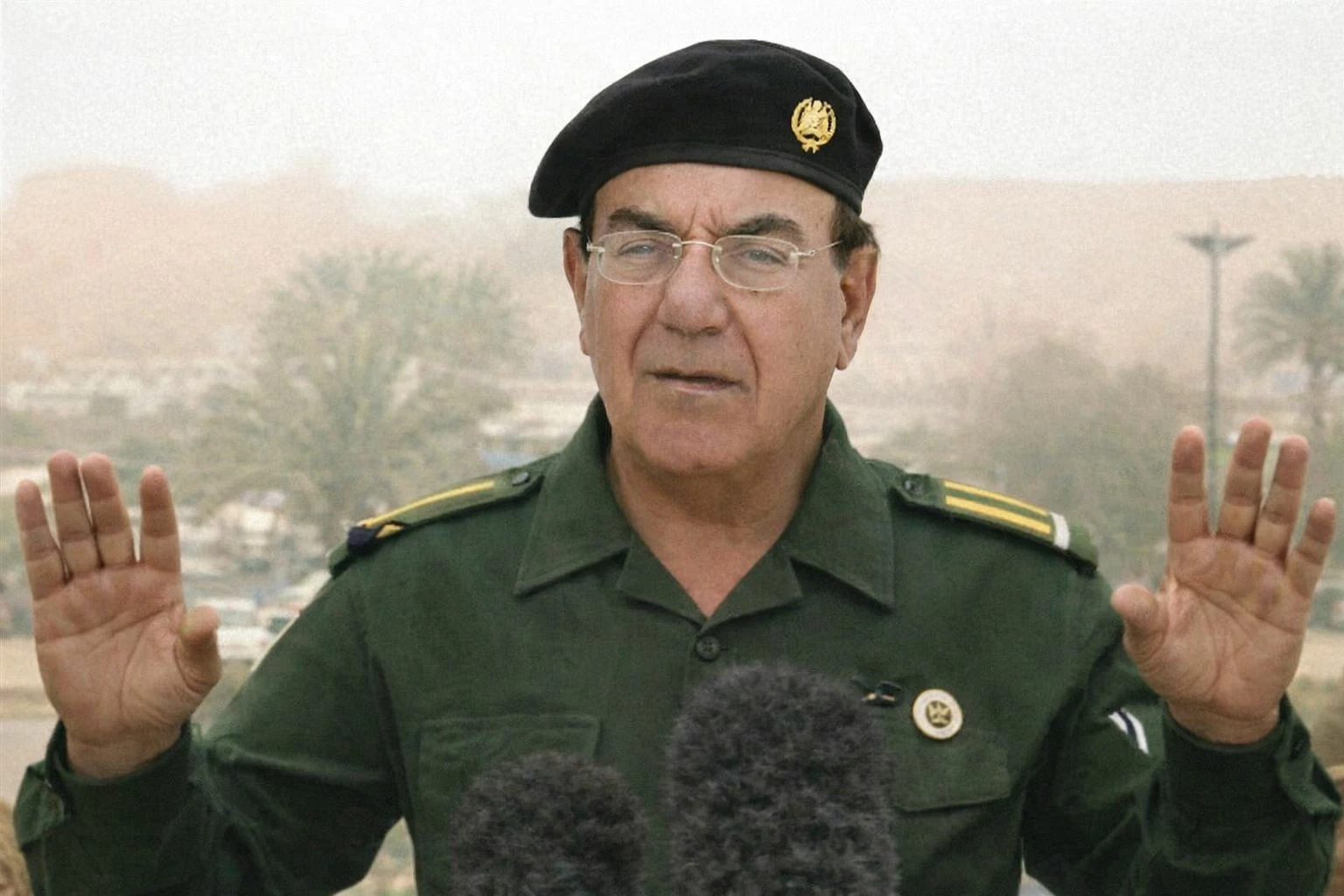
لم يعد المتحدث الرسمي وحده من يصنع الرواية، فالمشهد اليوم يعجّ بما يمكن وصفهم بـ«الصحّافين الجدد»؛ أولئك الذين يملؤون الفضاء الرقمي بتصريحات جازمة وتوقعات كبرى، وكأنهم يملكون مفاتيح غرف العمليات العسكرية. استعارة «الصحّاف» هنا تشير إلى ظاهرة الخطاب الدعائي المتفائل أو المبالغ فيه الذي عُرف به وزير الإعلام العراقي السابق محمد سعيد الصحاف أثناء حرب العراق 2003، حتى أصبح اسمه رمزاً إعلامياً للخطاب الذي ينكر الواقع أو يقدّم رواية مغايرة له. وقد وثقت تقارير إعلامية عالمية تلك الظاهرة وأطلقت عليه لقب «Baghdad Bob».
لكن الفارق اليوم أن «الصحّاف» لم يعد شخصاً واحداً يقف خلف منصة حكومية، بل ظاهرة رقمية كاملة. ففي منصات التواصل الاجتماعي يظهر عشرات المسؤولين والمحللين، يقدّمون معلومات مضللة أو قراءات حاسمة للحرب، وبعضهم يعلنون «انتصارات» أو «هزائم» قبل أن تتضح الصورة على الأرض. وبعضهم يحوّل كل خبر عاجل إلى مادة للتهويل والتخويف.
المشكلة لا تكمن فقط في الخطأ التحليلي، بل في اقتصاد الترند الذي أصبح يغذي هذا السلوك. فكلما ارتفع مستوى القلق والدراما في المحتوى، ارتفعت المشاهدات والتفاعل. وهكذا يتحول بعض صناع المحتوى إلى تجّار ترندات، يستثمرون في التوترات الدولية كما لو كانت سوقاً للمضاربات الإعلامية. الخبر بالنسبة لهم ليس معلومة تُنقل، بل فرصة للانتشار.
In times of war, the front lines are not the only battlefield; the battle extends into the media space, where narratives compete and facts intertwine with propaganda. Amid the escalating tensions between the United States and Iran, the media scene resembles a modern version of "chaos and confusion"; a wide cacophony, contradictory statements, and a massive amount of analysis that makes it difficult to distinguish news from impression.
The official spokesperson is no longer the sole creator of the narrative; today’s scene is teeming with what can be described as "new journalists"; those who fill the digital space with assertive statements and grand predictions, as if they hold the keys to military operations rooms. The reference to "journalist" here points to the phenomenon of overly optimistic or exaggerated propaganda discourse, famously embodied by former Iraqi Information Minister Mohammed Saeed al-Sahaf during the Iraq War in 2003, to the extent that his name became a media symbol for discourse that denies reality or presents an alternative narrative. Global media reports documented this phenomenon and dubbed him "Baghdad Bob."
However, the difference today is that "al-Sahaf" is no longer a single person standing behind a government podium, but a complete digital phenomenon. On social media platforms, dozens of officials and analysts appear, providing misleading information or decisive readings of the war, some declaring "victories" or "defeats" before the situation on the ground becomes clear. Some turn every breaking news into material for exaggeration and fear-mongering.
The problem lies not only in analytical errors but also in the trend economy that has come to fuel this behavior. The higher the level of anxiety and drama in the content, the higher the views and engagement. Thus, some content creators turn into trend traders, investing in international tensions as if they were a market for media speculation. News, for them, is not information to be conveyed, but an opportunity for virality.