كشفت ردود الفعل الدولية على دعوة الرئيس الأمريكي دونالد ترمب لإرسال سفن إلى منطقة الشرق الأوسط لحماية ناقلات النفط في مضيق هرمز تبايناً واضحاً في مواقف الدول بين التحفظ والحذر والدراسة المشروطة، في ظل تصاعد التوترات المرتبطة بالحرب بين الولايات المتحدة وإسرائيل من جهة وإيران من جهة أخرى.
وبينما فضلت بعض الدول التريث ومراقبة التطورات قبل اتخاذ قرار عسكري، اكتفت أخرى بإجراء مشاورات مع حلفائها، في حين دعت الصين إلى وقف التصعيد العسكري حفاظاً على استقرار إمدادات الطاقة العالمية.
ترمب يدعو إلى تحالف بحري لحماية «هرمز»
وكان الرئيس الأمريكي دونالد ترمب دعا عدداً من الدول إلى المساهمة في إرسال سفن عسكرية إلى المنطقة لتعزيز أمن الملاحة في مضيق هرمز، الذي يعد أحد أهم الممرات الإستراتيجية لنقل النفط في العالم.
وكتب ترمب عبر حسابه في منصة «تروث سوشيال» قائلاً: «نأمل أن تبادر الصين وفرنسا واليابان وكوريا الجنوبية والمملكة المتحدة ودول أخرى إلى إرسال سفن إلى المنطقة، حتى لا يبقى مضيق هرمز مهدداً من دولة مقطوعة الرأس»، في إشارة إلى إيران.
اليابان: قراراتنا مستقلة
في أول رد على الدعوة الأمريكية، نقلت هيئة الإذاعة اليابانية عن مصادر في وزارة الخارجية، أن طوكيو لن ترسل سفناً لمجرد طلب الرئيس الأمريكي ذلك، مؤكدة أن اليابان تتخذ قراراتها العسكرية بشكل مستقل.
وأضافت مصادر في وزارة الدفاع أن أي قرار بشأن نشر قوات الدفاع الذاتي سيستلزم تقييماً قانونياً وسياسياً دقيقاً، بما في ذلك مراجعة شرعية الإجراءات العسكرية الأمريكية والإسرائيلية ضد إيران.
وأشارت المصادر إلى أن الحكومة اليابانية ستراقب التطورات عن كثب، خصوصاً في حال تقدمت واشنطن بطلب رسمي خلال القمة المرتقبة بين الرئيس الأمريكي ورئيسة الوزراء اليابانية تاكائيتشي سانائيه، التي تستعد لزيارة الولايات المتحدة لمدة 4 أيام.
كوريا الجنوبية: دراسة الطلب بعناية
بدورها، أكدت كوريا الجنوبية أنها تدرس الطلب الأمريكي عن كثب.
وقال مسؤول في الرئاسة الكورية الجنوبية لوكالة «فرانس برس»، إن سيؤول تتابع تصريحات ترمب بشأن إرسال سفن إلى مضيق هرمز لضمان أمن ناقلات النفط، مضيفاً أن الحكومة «ستدرس الأمر بعناية وبالتشاور الوثيق مع الولايات المتحدة».
بريطانيا: مشاورات دون التزام
أما المملكة المتحدة فاختارت موقفاً حذراً، إذ لم تعلن تأييداً صريحاً لإرسال قوات بحرية إلى المنطقة.
وذكرت وكالة «أسوشيتد برس» أن لندن تجري مشاورات مع حلفائها حول عدة خيارات لضمان حرية الملاحة في المضيق، في وقت تتزايد فيه المخاوف من تأثير الصراع على حركة التجارة العالمية.
الصين: أوقفوا التصعيد
في المقابل، لم تبدِ الصين أي استعداد لإرسال سفن حربية إلى المنطقة.
وردّ متحدث باسم السفارة الصينية في واشنطن على سؤال لشبكة «سي إن إن» بشأن احتمال نشر قوات بحرية في مضيق هرمز بالدعوة إلى وقف فوري للأعمال العدائية.
وأكد أن جميع الأطراف تتحمل مسؤولية الحفاظ على استقرار إمدادات الطاقة العالمية، وعدم تعريضها للاضطراب نتيجة التصعيد العسكري في المنطقة.
واشنطن تعزز قوة «المارينز»
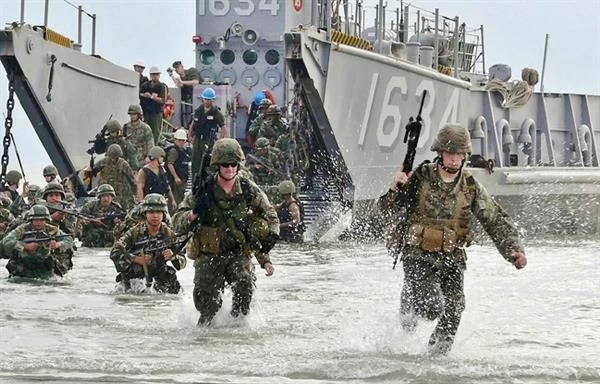
من جانبها، تسعى واشنطن لتعزيز الوجود العسكري الأمريكي في الشرق الأوسط، بعد أن بلغ التصعيد في مضيق هرمز مستوى غير مسبوق. وكشفت صحيفة «نيويورك تايمز»، أن وزارة الدفاع الأمريكية «البنتاغون» تستعد لنشر نحو 2500 جندي من مشاة البحرية «المارينز» ضمن وحدة المشاة البحرية الاستكشافية الـ31، القادمة من المحيطين الهندي والهادئ.
The international reactions to U.S. President Donald Trump's call to send ships to the Middle East to protect oil tankers in the Strait of Hormuz revealed a clear divergence in the positions of countries between caution, hesitance, and conditional consideration, amid rising tensions related to the war between the United States and Israel on one side and Iran on the other.
While some countries preferred to wait and monitor developments before making a military decision, others limited themselves to consultations with their allies, while China called for a halt to military escalation to maintain the stability of global energy supplies.
Trump Calls for a Naval Coalition to Protect "Hormuz"
U.S. President Donald Trump called on several countries to contribute to sending military ships to the region to enhance navigation security in the Strait of Hormuz, which is one of the most important strategic corridors for oil transportation in the world.
Trump wrote on his account on the "Truth Social" platform, saying: "We hope that China, France, Japan, South Korea, the United Kingdom, and other countries will send ships to the region, so that the Strait of Hormuz does not remain threatened by a headless state," referring to Iran.
Japan: Our Decisions Are Independent
In its first response to the U.S. call, Japan's public broadcaster reported sources in the Foreign Ministry stating that Tokyo would not send ships merely at the request of the U.S. president, emphasizing that Japan makes its military decisions independently.
Sources in the Defense Ministry added that any decision regarding the deployment of Self-Defense Forces would require a thorough legal and political assessment, including a review of the legality of U.S. and Israeli military actions against Iran.
The sources indicated that the Japanese government would closely monitor developments, especially if Washington makes an official request during the upcoming summit between the U.S. president and Japanese Prime Minister Sanae Takaichi, who is preparing for a four-day visit to the United States.
South Korea: Carefully Considering the Request
For its part, South Korea confirmed that it is closely studying the U.S. request.
A South Korean presidential official told the Agence France-Presse that Seoul is following Trump's statements regarding sending ships to the Strait of Hormuz to ensure the security of oil tankers, adding that the government "will study the matter carefully and in close consultation with the United States."
Britain: Consultations Without Commitment
The United Kingdom, on the other hand, chose a cautious stance, as it did not explicitly announce support for sending naval forces to the region.
The Associated Press reported that London is conducting consultations with its allies regarding several options to ensure freedom of navigation in the strait, as fears grow over the impact of the conflict on global trade movement.
China: Stop Escalation
In contrast, China showed no willingness to send warships to the region.
A spokesperson for the Chinese embassy in Washington responded to a question from CNN regarding the possibility of deploying naval forces in the Strait of Hormuz by calling for an immediate cessation of hostilities.
He emphasized that all parties bear the responsibility of maintaining the stability of global energy supplies and not exposing them to disruption due to military escalation in the region.
Washington Reinforces Marine Corps Strength
For its part, Washington is seeking to enhance the U.S. military presence in the Middle East, after the escalation in the Strait of Hormuz reached unprecedented levels. The New York Times revealed that the U.S. Department of Defense, "the Pentagon," is preparing to deploy about 2,500 Marines as part of the 31st Marine Expeditionary Unit, coming from the Indian and Pacific Oceans.