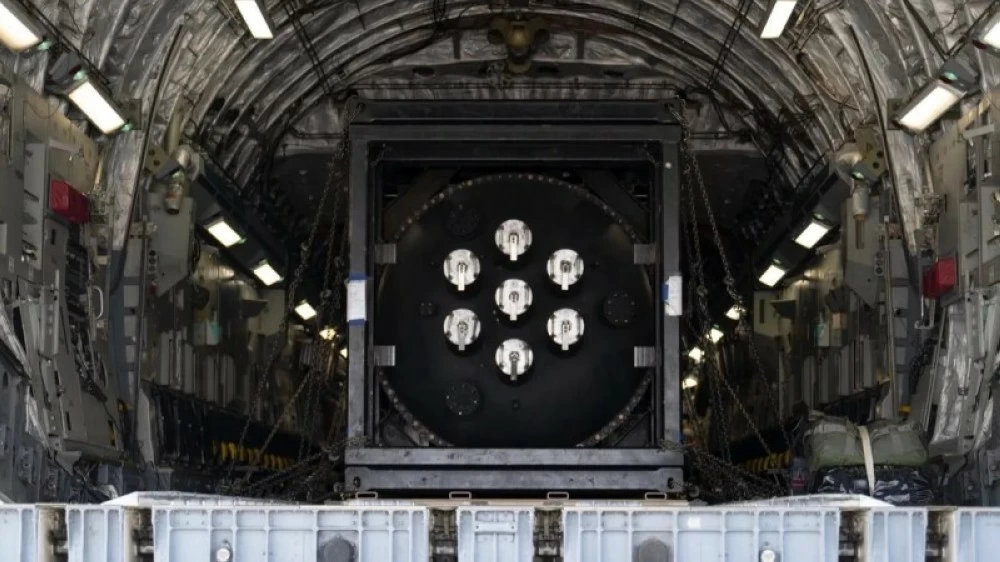
للمرة الأولى وبهدف إجراء اختبارات، أعلنت وزارة الحرب الأمريكية (البنتاغون)، أن 3 طائرات عسكرية من طراز C-17 نقلت، أمس (الأحد)، مكونات مفاعل Ward 250 النووي غير المزود بالوقود من قاعدة «مارش» الجوية الاحتياطية بولاية كاليفورنيا إلى قاعدة «هيل» الجوية بولاية يوتا.
وتُعدّ هذه المبادرة، التي طُوّرت بالشراكة مع شركة «فالار أتوميكس» (Valar Atomics)، محوريةً في جهود الإدارة لتحديث قدرات الطاقة النووية الأمرسكية.
ووزع مسؤولو Valar Atomics قبعات سوداء مكتوب عليها عبارة «اجعلوا الطاقة النووية عظيمة مرة أخرى». وجلس مسؤولو البنتاغون ووزارة الطاقة والصحفيون وممثلو الصناعة بجانب وحدة المفاعل، المغطاة بالبلاستيك الشفاف، خلال الرحلة التي استغرقت ساعة، بحسب ما أوردت صحيفة «وول ستريت جورنال».
ويهدف المسؤولون إلى تحقيق التشغيل النووي للمفاعل على الأراضي الأمريكية بحلول 4 يوليو 2026. ويُسهم تسليم النموذج الأولي المُدمج في تسريع هذا الجدول الزمني، وينقل المشروع إلى مرحلة التقييم.
وصُمّم المفاعل المتنقل لتوفير طاقة موثوقة ومنفصلة عن الشبكة للمنشآت العسكرية، ما يُقلّل من مخاطر انقطاع التيار الكهربائي، أو الهجمات الخارجية، ويصفه مسؤولو الدفاع بأنه وسيلة لدمج الابتكارات النووية التجارية مباشرةً في البنية التحتية العسكرية.
وقدّم المسؤولون المشروع في إطار إستراتيجية أوسع لضمان توليد طاقة مستدام للعمليات الدفاعية في المناطق المتنازع عليها أو النائية.
وسينتقل المفاعل الآن إلى مختبر «سان رافائيل» للطاقة في أورانجفيل بولاية يوتا، لإجراء الاختبارات والتقييم في ظل ظروف مُحكمة.
ومن المقرر أن تقوم شركة Valar Atomics، التي موّلت الرحلة، باختبار مفاعلها Ward 250 في منشأة بالقرب من قاعدة «هيل» الجوية، بحسب الرئيس التنفيذي إيزايا تايلور. ويبدأ الاختبار بقدرة 250 كيلوواط، ويمكن للنظام في النهاية توليد 5 ميجاوات، وهو ما يكفي لتزويد 5 آلاف منزل بالطاقة.
وقال تايلور إن التصميم المُدمج للمفاعل يُتيح سهولة النقل والنشر السريع مقارنةً بالمنشآت النووية التقليدية.
For the first time and with the aim of conducting tests, the U.S. Department of Defense (the Pentagon) announced that 3 military aircraft of the C-17 model transported, yesterday (Sunday), components of the unfuelled Ward 250 nuclear reactor from March Air Reserve Base in California to Hill Air Force Base in Utah.
This initiative, developed in partnership with Valar Atomics, is central to the administration's efforts to modernize American nuclear energy capabilities.
Officials from Valar Atomics distributed black hats with the phrase "Make Nuclear Power Great Again." Pentagon and Department of Energy officials, journalists, and industry representatives sat next to the reactor unit, covered with transparent plastic, during the hour-long flight, according to the Wall Street Journal.
Officials aim to achieve nuclear operation of the reactor on U.S. soil by July 4, 2026. The delivery of the integrated prototype contributes to accelerating this timeline, moving the project into the evaluation phase.
The mobile reactor is designed to provide reliable, off-grid power for military facilities, reducing the risks of power outages or external attacks, and defense officials describe it as a means to integrate commercial nuclear innovations directly into military infrastructure.
Officials presented the project as part of a broader strategy to ensure sustainable power generation for defense operations in contested or remote areas.
The reactor will now move to the San Rafael Energy Lab in Orangeville, Utah, for testing and evaluation under controlled conditions.
Valar Atomics, which funded the flight, is set to test its Ward 250 reactor at a facility near Hill Air Force Base, according to CEO Isaiah Taylor. The testing begins at a capacity of 250 kilowatts, and the system can ultimately generate 5 megawatts, enough to power 5,000 homes.
Taylor stated that the integrated design of the reactor allows for ease of transport and rapid deployment compared to traditional nuclear facilities.