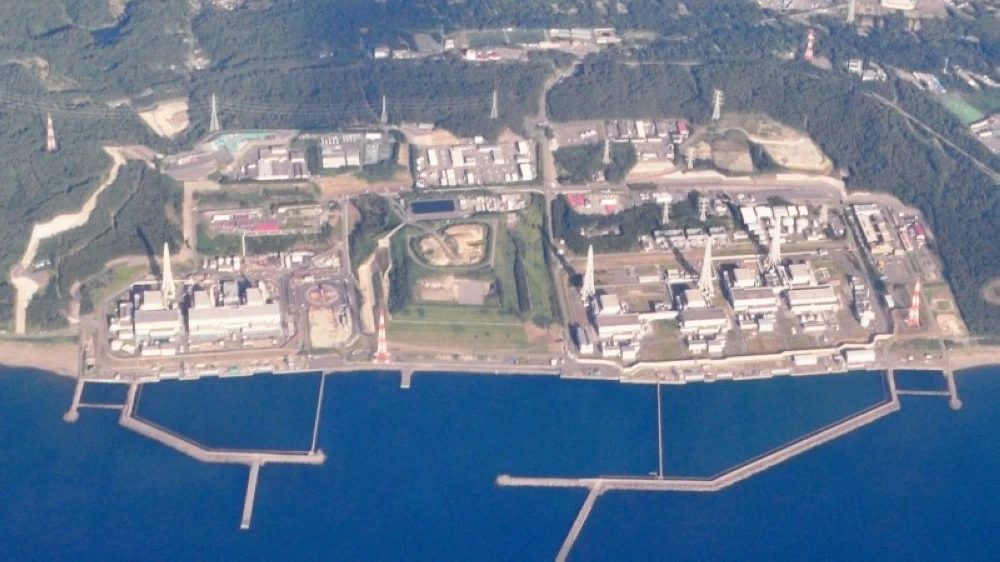
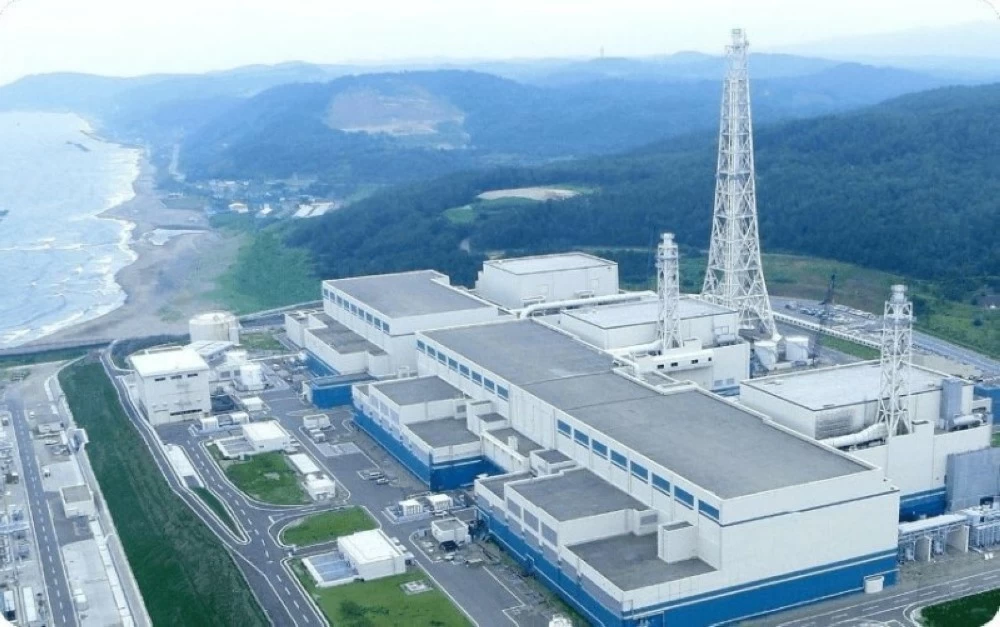
تستأنف اليابان اليوم (الإثنين) تشغيل المفاعل رقم 7 في محطة «كاشيوازاكي كاريوا»، أكبر محطة طاقة نووية في العالم، في خطوة تُعد الأبرز منذ كارثة فوكوشيما 2011 التي أدت إلى توقف معظم المفاعلات النووية في البلاد.
وكان من المقرر بدء التشغيل في وقت سابق، إلا أن خللاً فنياً في نظام إنذار الحريق ظهر خلال الاختبارات النهائية دفع الشركة المشغلة إلى تعليق العملية مؤقتاً لإجراء إصلاحات عاجلة قبل استكمال إجراءات التشغيل.
إصلاح العطل واستئناف التشغيل
وأعلنت شركة طوكيو للطاقة الكهربائية، المشغلة للمحطة، إصلاح العطل بشكل كامل، مؤكدة أن الفحوصات الإضافية أثبتت سلامة الأنظمة، ما يسمح بإعادة تشغيل المفاعل وفق جدول زمني معدّل يبدأ اليوم.
عودة نووية بعد فوكوشيما
ويمثل تشغيل المفاعل خطوة رمزية مهمة في مسار عودة الطاقة النووية إلى اليابان، بعدما كانت تسهم بنحو 30% من إنتاج الكهرباء قبل كارثة فوكوشيما، قبل أن تنخفض مساهمتها إلى أقل من 10% خلال السنوات اللاحقة مع إغلاق المفاعلات وتشديد معايير الأمان.
جدل السلامة مستمر
ورغم حصول المحطة على موافقة هيئة تنظيم الطاقة النووية، لا تزال إعادة التشغيل تواجه اعتراضات شعبية ومحلية، خصوصاً في محافظة نيغاتا، نظراً لوقوع المحطة قرب منطقة نشطة زلزالياً، ما يعيد إلى الواجهة نقاش السلامة النووية في البلاد.
أهداف اقتصادية وبيئية
وتأمل الحكومة اليابانية أن يسهم تشغيل المفاعل رقم 7، وربما المفاعل رقم 6 لاحقاً، في خفض تكاليف الكهرباء وتقليل الاعتماد على الوقود الأحفوري المستورد، إضافة إلى تقليص الانبعاثات الكربونية ضمن خطط الوصول إلى الحياد الكربوني.
وتُعد محطة «كاشيوازاكي كاريوا» أكبر محطة طاقة نووية في العالم بقدرة تصميمية تصل إلى 8212 ميغاواط وتضم سبعة مفاعلات، وكانت قد توقفت بالكامل عقب كارثة فوكوشيما، ولم يُعد تشغيل أي من مفاعلاتها منذ ذلك الحين حتى الآن.
ومنذ 2023، كثّفت الشركة المشغلة جهودها للحصول على الموافقات اللازمة لإعادة تشغيل المحطة، في ظل أزمة الطاقة العالمية وارتفاع أسعار الغاز الطبيعي، إلى جانب مساعي طوكيو لتأمين مصادر طاقة مستقرة وتقليل الاعتماد على الوقود المستورد.
Japan resumes operation of Reactor No. 7 at the "Kashiwazaki Kariwa" plant today (Monday), the largest nuclear power station in the world, in a move considered the most significant since the Fukushima disaster in 2011, which led to the shutdown of most nuclear reactors in the country.
The startup was scheduled to begin earlier, but a technical malfunction in the fire alarm system that appeared during final tests prompted the operating company to temporarily suspend the process for urgent repairs before completing the startup procedures.
Repairing the Malfunction and Resuming Operations
Tokyo Electric Power Company, the operator of the plant, announced that the malfunction has been fully repaired, confirming that additional inspections proved the safety of the systems, allowing the reactor to be restarted according to a revised schedule starting today.
Nuclear Return After Fukushima
The operation of the reactor represents an important symbolic step in the path to the return of nuclear energy to Japan, which contributed about 30% of electricity production before the Fukushima disaster, before its contribution dropped to less than 10% in the following years with the shutdown of reactors and tightening of safety standards.
Safety Controversy Continues
Despite the plant receiving approval from the Nuclear Regulation Authority, the restart still faces public and local objections, especially in Niigata Prefecture, due to the plant's proximity to a seismically active area, bringing the nuclear safety debate back to the forefront in the country.
Economic and Environmental Goals
The Japanese government hopes that the operation of Reactor No. 7, and possibly Reactor No. 6 later, will help reduce electricity costs and decrease reliance on imported fossil fuels, in addition to cutting carbon emissions as part of plans to achieve carbon neutrality.
The "Kashiwazaki Kariwa" plant is the largest nuclear power station in the world with a design capacity of 8,212 megawatts and consists of seven reactors, which had completely shut down following the Fukushima disaster, and none of its reactors have been restarted since then until now.
Since 2023, the operating company has intensified its efforts to obtain the necessary approvals to restart the plant amid the global energy crisis and rising natural gas prices, alongside Tokyo's efforts to secure stable energy sources and reduce reliance on imported fuel.