


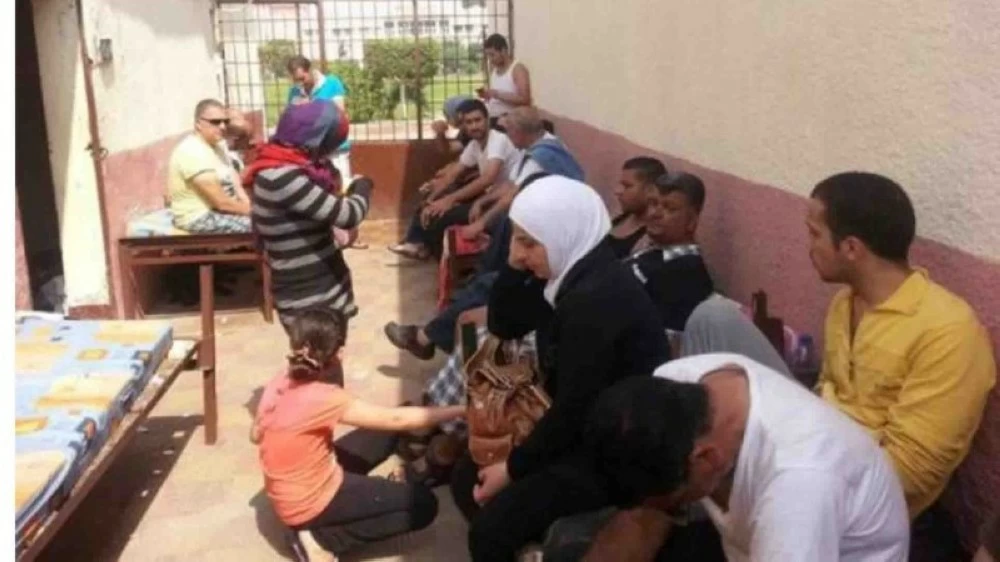


دحض مصدر أمني مصري ما تداولته مواقع التواصل الاجتماعي خلال الساعات الماضية ، بشأن صدور ضوابطجديدة تمنع دخول السوريين من 4 دول عربية إلى مصر.
وأكد المصدر في بيان مقتضب نشرته وزارة الداخلية المصرية على حسابها في فيسبوك اليوم الأحد، عدم صحة ما تم تداوله حول صدور ضوابط جديدة لدخول السوريين الأراضي المصرية.
وكانت وزارة الخارجية السورية، أعلنت أنها تتابع ببالغ الاهتمام أوضاع السوريين في مصر.
وشدّد مدير إدارة الشؤون العربية في وزارة الخارجية والمغتربين السورية محمد الأحمد، في منشور على حسابه في إكس، اليوم الأحد، على أنه «منذ مطلع العام، أجريت لقاءات مكثفة مع الجانب المصري لتنسيق الجهود وتذليل العقبات».
وأفاد بأنه وجه السفارة في القاهرة بتقديم أقصى المساعدة القنصلية والقانونية الممكنة. وقال الأحمد: تقدمنا للجانب المصري بمقترحات فنية متكاملة تهدف إلى تسهيل إجراءات الإقامة على السوريين المقيمين.
وكانت مصادر مصرية، أفصحت عن صدور ضوابط جديدة تتعلق بتنظيم سفر السوريين إلى الأراضي المصرية، مؤكدة بدء تفعيلها رسمياً منذ، الخميس الماضي.
ونفت المصادر ما جرى تداوله عبر منصات التواصل الاجتماعي حول وجود «منع شامل» لدخول السوريين، مؤكدة أنه غير دقيق. وشددت على أن الإجراء «قرار تنظيمي» تفرضه الظروف الراهنة وحالة عدم الاستقرار في المنطقة، ويهدف بالأساس إلى ضبط منظومة الدخول والخروج عبر المنافذ المصرية.
وحسب المصادر، فإن القرار الجديد ينص على عدم قبول طلبات سفر السوريين إلى مصر إذا كانوا قادمين من 4 دول عربية، وهي: سورية، لبنان، الأردن، والعراق.
إلا أن القرار استثنى بشكل قاطع السوريين الذين يحملون إقامة مصرية سارية، إذ يسمح لهم بالدخول دون عوائق.
وتضمنت الضوابط السماح بمنح تأشيرات دخول للسوريين المقيمين في دول الخليج العربي أو الدول الأوروبية، شريطة تقديم ما يثبت امتلاكهم إقامات سارية في تلك الدول عند تقديم الطلب.
وكشفت المصادر أن القرار شمل إجراءات بإغلاق المسارات التي كانت تُستخدم سابقاً لدخول السوريين، وأبرزها المسار المتعلق بالطلاب المسجلين في الجامعات المصرية، أو المسار الخاص بالأشخاص الذين لديهم عائلات مقيمة في مصر.
وتقرر إيقاف الترتيبات التي كانت تقدمها مكاتب السفر عبر ما يعرف بـ«شراء تأشيرات الدخول»، وتم إبلاغ كافة المكاتب والشركات رسمياً بعدم إمكانية إنهاء حجز أو تسفير أي مواطن سوري لا يحمل إقامة مصرية سارية مسبقاً.
وحمل القرار شركات الطيران مسؤولية التحقق المسبق من وجود الإقامات السارية قبل صعود الركاب، مع منع صعود أي مسافر غير مستوفٍ لهذه الشروط لتجنب ملاحقات قانونية أو غرامات إدارية.
يذكر أن تقديرات تشير إلى وجود نحو 1.5 مليون سوري مقيم في مصر، بينهم نحو 160 ألفاً إلى 200 ألف فقط مسجلون رسمياً لدى مفوضية الأمم المتحدة لشؤون اللاجئين.
وبدأت الموجات الكبرى للجوء السوري إلى مصر عام 2012، ووصلت ذروتها في 2013 و2014.
ويتركز السوريون المتواجدون في مصر في مناطق محددة، أبرزها مدينة 6 أكتوبر في الجيزة، ومدينتا العبور والشروق في القاهرة، والإسكندرية ودمياط.


