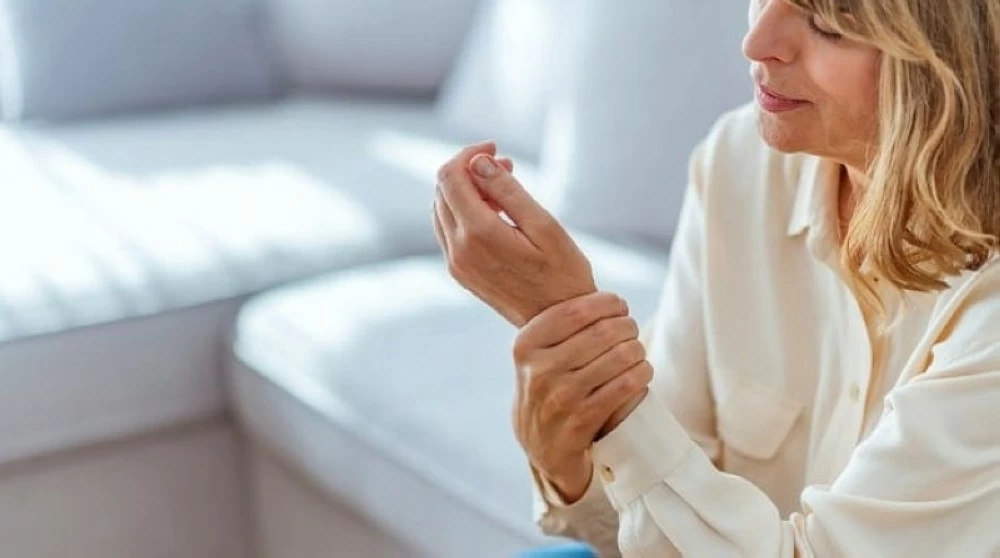
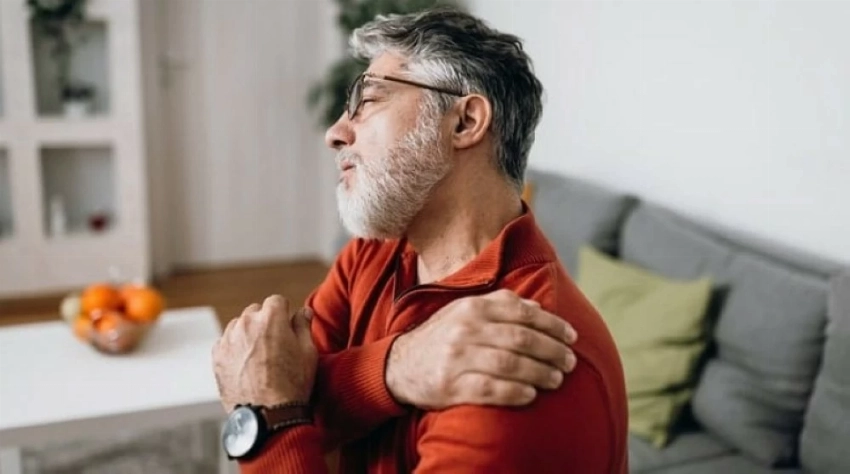
عندما يفكر معظم الناس في الحفاظ على صحتهم، غالباً ما يُهملون صحة العظام مقارنة بالمخاطر الأكثر شهرة مثل أمراض القلب أو السرطان، لكن بالنسبة للنساء، يصبح ضعف كثافة العظام مشكلة حقيقية مع التقدم في العمر، إذ تؤدي هشاشة العظام إلى إضعاف العظام وزيادة خطر الإصابة بالكسور بشكل كبير.
وبحسب موقع «فوكس نيوز» قالت أستاذة التوليد وأمراض النساء بجامعة تكساس الطبية، المتخصصة المعتمدة في سن اليأس، الدكتورة ماري كلير هافر: «حوالى 50% من النساء يُتوقع أن يتعرضن لكسر ناتج عن هشاشة العظام قبل وفاتهن، وهذا معدل يبلغ ثلاثة أضعاف ما يصيب الرجال».
ما هي هشاشة العظام
وتعرف هشاشة العظام -وفقاً للمعهد الوطني للتهاب المفاصل والأمراض العضلية الهيكلية والجلدية- بأنها «مرض عظمي يتطور عندما تنخفض كثافة المعادن في العظام وكتلتها، أو عندما تتغير بنية العظم وقوته»، ويمكن أن يجعل هذا المرض العظام هشة لدرجة أن سقوطاً بسيطاً أو حتى ضغطاً خفيفاً مثل السعال قد يسبب كسراً.
وأشارت الدكتورة هافر، مؤسسة منصة «The 'Pause Life» للصحة والعافية التي تركز على دعم النساء خلال تغيرات منتصف العمر، إلى أن تداعيات هذه الكسور يمكن أن تكون «مدمرة للغاية»، إذ تؤدي إلى الإعاقة، أو الوفاة، أو تكاليف طبية باهظة.
وأكدت الخبيرة أن هشاشة العظام مرض «قابل للوقاية إلى حد كبير»، مشددة على أهمية الانتباه إلى نمط الحياة والسلوكيات، وربما الأدوية الوقائية منذ سن مبكرة، لتجنب فقدان الاستقلالية الذي تعاني منه الكثير من النساء مع التقدم في العمر.
مخاطر الإصابة بهشاشة العظام
وتزداد مخاطر الإصابة بهشاشة العظام لدى من يعانين من اضطرابات هرمونية، أو خضعن لجراحات في الجهاز الهضمي، أو يعانين من نقص الكالسيوم، أو اضطرابات الأكل، إضافة إلى وجود تاريخ عائلي للمرض.
كما يرتفع الخطر لدى مستخدمي الكورتيكوستيرويدات لفترات طويلة (لعلاج نوبات الصرع، أو الارتجاع المعدي، أو السرطان، أو رفض الأعضاء المزروعة)، أو المصابين بأمراض مثل الاضطرابات الهضمية، أو التهاب الأمعاء، أو أمراض الكلى والكبد، أو الورم النقوي المتعدد، أو التهاب المفاصل الروماتويدي.
المرض الصامت
وغالباً ما يُطلق على هشاشة العظام اسم «المرض الصامت»، لأنه قد يتطور دون أعراض واضحة حتى يحدث الكسر.
لكن الدكتورة هافر لفتت إلى بعض العلامات الخفية التي قد تشير إلى انخفاض كثافة العظام عن المعدل الطبيعي، مثل؛ قصر الطول، آلام الظهر، تراجع اللثة، وضعف أو هشاشة الأظافر.
كما تساهم عادات غير صحية في زيادة الخطر، مثل قلة الحركة، الإفراط في شرب الكحول، والتدخين.
وأكدت عيادة مايو كلينك أن الأشخاص الذين يقضون وقتاً طويلاً جالسين أكثر عرضة للإصابة بهشاشة العظام مقارنة بالنشيطين بدنياً.
نصائح لتقليل مخاطر هشاشة العظام
وتتفق الدكتورة هافر على أن ممارسة التمارين الرياضية المحملة بالوزن والتدريب المقاوم، إلى جانب الحصول على كميات كافية من الكالسيوم وفيتامين D من خلال نظام غذائي متوازن أو المكملات، يساعد في الحفاظ على كثافة عظام صحية.
ونصحت بتجنب التدخين والإفراط في الكحول، ومناقشة أي أدوية قد تؤثر على صحة العظام مع الطبيب، مع التوصية بإجراء فحوصات كثافة العظام بانتظام لدى بعض الأشخاص للكشف المبكر عن أي مشكلات محتملة.
وبهذه الإجراءات البسيطة، يمكن للنساء تقليل مخاطر هشاشة العظام بشكل كبير، والحفاظ على قوة عظامهن واستقلاليتهن لسنوات طويلة.
When most people think about maintaining their health, they often overlook bone health compared to more well-known risks like heart disease or cancer. However, for women, decreasing bone density becomes a real issue as they age, as osteoporosis significantly weakens bones and increases the risk of fractures.
According to Fox News, Dr. Mary Claire Haver, a professor of obstetrics and gynecology at the University of Texas Medical Branch and a certified menopause specialist, stated: "About 50% of women are expected to experience a fracture due to osteoporosis before they die, which is a rate three times that of men."
What is Osteoporosis
Osteoporosis is defined by the National Institute of Arthritis and Musculoskeletal and Skin Diseases as "a bone disease that develops when bone density and mass decrease, or when the structure and strength of bone change." This disease can make bones so fragile that a minor fall or even a slight pressure, such as coughing, can cause a fracture.
Dr. Haver, founder of the 'Pause Life' health and wellness platform that focuses on supporting women through midlife changes, pointed out that the consequences of these fractures can be "extremely devastating," leading to disability, death, or exorbitant medical costs.
The expert emphasized that osteoporosis is a disease that is "largely preventable," stressing the importance of paying attention to lifestyle and behaviors, and possibly preventive medications from an early age, to avoid the loss of independence that many women experience as they age.
Risk Factors for Osteoporosis
The risk of developing osteoporosis increases for those who suffer from hormonal disorders, have undergone gastrointestinal surgeries, have calcium deficiency, or eating disorders, in addition to having a family history of the disease.
The risk also rises for long-term corticosteroid users (for treating seizures, gastroesophageal reflux, cancer, or organ transplant rejection), or those with conditions such as celiac disease, inflammatory bowel disease, kidney and liver diseases, multiple myeloma, or rheumatoid arthritis.
The Silent Disease
Osteoporosis is often referred to as "the silent disease" because it can develop without clear symptoms until a fracture occurs.
However, Dr. Haver pointed out some subtle signs that may indicate lower than normal bone density, such as; a decrease in height, back pain, gum recession, and weak or brittle nails.
Unhealthy habits also contribute to increased risk, such as lack of physical activity, excessive alcohol consumption, and smoking.
The Mayo Clinic confirmed that individuals who spend long periods sitting are more likely to develop osteoporosis compared to those who are physically active.
Tips to Reduce Osteoporosis Risk
Dr. Haver agrees that engaging in weight-bearing exercises and resistance training, along with obtaining adequate amounts of calcium and vitamin D through a balanced diet or supplements, helps maintain healthy bone density.
She advised avoiding smoking and excessive alcohol, discussing any medications that may affect bone health with a doctor, and recommending regular bone density screenings for some individuals to detect any potential issues early.
With these simple measures, women can significantly reduce their risk of osteoporosis and maintain their bone strength and independence for many years.