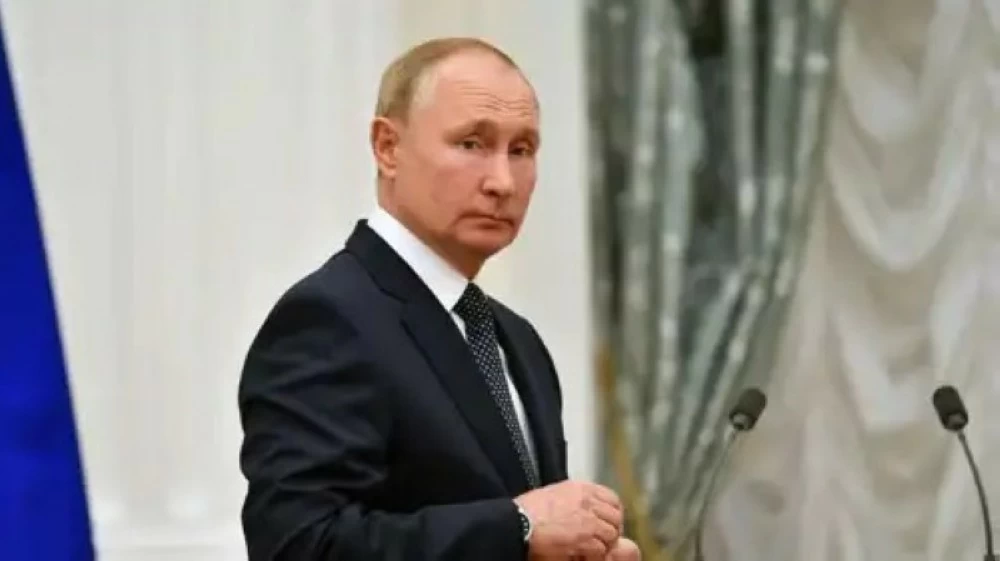
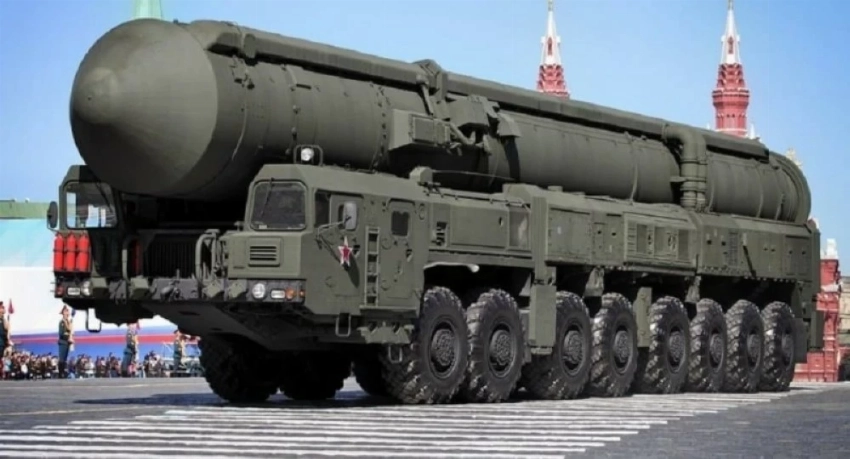
أعلنت وزارة الخارجية الروسية، أمس (الأربعاء)، انتهاء صلاحية معاهدة الحد من الأسلحة الهجومية الإستراتيجية بشكل نهائي، بعد أن بلغت المدة النهائية للاتفاق تاريخ اليوم.
وأكدت الخارجية الروسية في بيان رسمي أن المعاهدة «انتهت صلاحيتها قانونياً وفعلياً» في 5 فبراير، وأن روسيا لن تكون ملزمة بأي من التزاماتها بعد هذا التاريخ، مشيرة إلى أنه «لا توجد حالياً أي مفاوضات جارية أو مخطط لها لإبرام اتفاقية جديدة تحل محلها».
وكانت روسيا قد علّقت مشاركتها في آليات التحقق والتفتيش المنصوص عليها في المعاهدة منذ فبراير 2023، لكنها ظلت ملتزمة فعلياً بالحد الأقصى لعدد الرؤوس النووية والوسائط الحاملة حتى اليوم الأخير من سريان الاتفاق.
وذكر البيان أن القرار الروسي بتعليق المعاهدة، جاء بسبب التنفيذ غير المرضي لبعض جوانب الاتفاق من قبل الجانب الأمريكي، والتصرفات غير المقبولة من واشنطن التي تتعارض مع المبادئ الأساسية للمعاهدة، مشيراً إلى مجموعة من الخطوات غير الشرعية الأمريكية المتعلقة بأحكام محددة، مثلت انتهاكاً جوهرياً لا يتناسب مع الاستمرار في التنفيذ الكامل لها.
روسيا: انتهاء صلاحية معاهدة الحد من الأسلحة الهجومية الإستراتيجية بشكل نهائي.
أمريكا مسؤولة عن أعمال مزعزعة للاستقرار
وسلط البيان الضوء على مسؤولية الولايات المتحدة من أعمال مزعزعة للاستقرار في مجال الدفاع الصاروخي، متعارضة مع الرابط المتماسك بين الأسلحة الهجومية والدفاعية المنصوص عليه في «ستارت».
وأكدت الخارجية الروسية أن هذه التصرفات عارضت أهداف المعاهدة في الحفاظ على توازن القوى، وزادت الضغوط على بقائها، وخلقت أسباباً «لإجراءات تعويضية» من الجانب الروسي خارج نطاقها.
وشدد البيان على أن المعاهدة أدت عموماً وظائفها الأساسية خلال سنوات عملها، إذ ساهمت في خفض وتيرة سباق التسلّح الإستراتيجي وسمحت «بتخفيضات كبيرة» في الترسانات، كما وفرت القيود المفروضة مستوى كافياً من التنبؤ على المدى الطويل.
وأشارت الخارجية الروسية إلى أن الرئيس فلاديمير بوتين طرح في 22 سبتمبر 2025 في خطوة لاحقة بناءة مبادرة علنية يتعهد فيها الطرفان بقيود طوعية على تلك الحدود لمدة عام على الأقل بعد انتهاء الصلاحية، ولكن حتى اللحظة الحالية لم يتم تلقّي أي رد رسمي من الولايات المتحدة على تلك المبادرة عبر القنوات الثنائية، معتبرة التعليقات العامة الأمريكية لا تعطي أي مؤشرات على استعداد واشنطن للامتثال للخطوات المقترحة.
وأكد البيان أن روسيا -من الناحية العملية- تعتبر أن هذا التطور «يمثل حقيقة يجب أخذها بعين الاعتبار». وأضافت الخارجية: «في الظروف الحالية، نستنتج أن الطرفين لم يعودا ملزمين بأي التزامات أو بيانات متبادلة في إطار المعاهدة، بما في ذلك أحكامها المركزية، وفي الأساس يمكنهما اختيار خطواتهما القادمة بحرّية».
The Russian Foreign Ministry announced yesterday (Wednesday) the definitive expiration of the Strategic Offensive Arms Reduction Treaty, after the final term of the agreement reached today's date.
The Russian Foreign Ministry confirmed in an official statement that the treaty "has legally and effectively expired" on February 5, and that Russia will not be bound by any of its obligations after this date, noting that "there are currently no ongoing or planned negotiations to conclude a new agreement to replace it."
Russia had suspended its participation in the verification and inspection mechanisms stipulated in the treaty since February 2023, but it remained effectively committed to the maximum number of nuclear warheads and delivery systems until the last day of the agreement's validity.
The statement mentioned that the Russian decision to suspend the treaty was due to the unsatisfactory implementation of certain aspects of the agreement by the American side, and the unacceptable actions from Washington that contradict the fundamental principles of the treaty, pointing to a series of illegal American steps related to specific provisions, which constituted a substantial violation inconsistent with continuing full implementation of it.
روسيا: انتهاء صلاحية معاهدة الحد من الأسلحة الهجومية الإستراتيجية بشكل نهائي.
America is responsible for destabilizing actions
The statement highlighted the responsibility of the United States for destabilizing actions in the field of missile defense, contrary to the cohesive link between offensive and defensive weapons stipulated in "START."
The Russian Foreign Ministry emphasized that these actions contradicted the treaty's goals of maintaining a balance of power, increased pressures on its survival, and created grounds for "compensatory measures" from the Russian side outside its framework.
The statement stressed that the treaty generally fulfilled its core functions during its years of operation, as it contributed to reducing the pace of the strategic arms race and allowed for "significant reductions" in arsenals, while the imposed restrictions provided a sufficient level of long-term predictability.
The Russian Foreign Ministry noted that President Vladimir Putin proposed on September 22, 2025, in a subsequent constructive step, a public initiative in which both parties commit to voluntary constraints on those limits for at least one year after expiration, but to date, no official response has been received from the United States regarding that initiative through bilateral channels, considering that American public comments do not provide any indications of Washington's readiness to comply with the proposed steps.
The statement confirmed that Russia - in practical terms - considers this development "represents a fact that must be taken into account." The Foreign Ministry added: "Under the current circumstances, we conclude that the parties are no longer bound by any obligations or mutual statements within the framework of the treaty, including its central provisions, and fundamentally, they can choose their next steps freely."