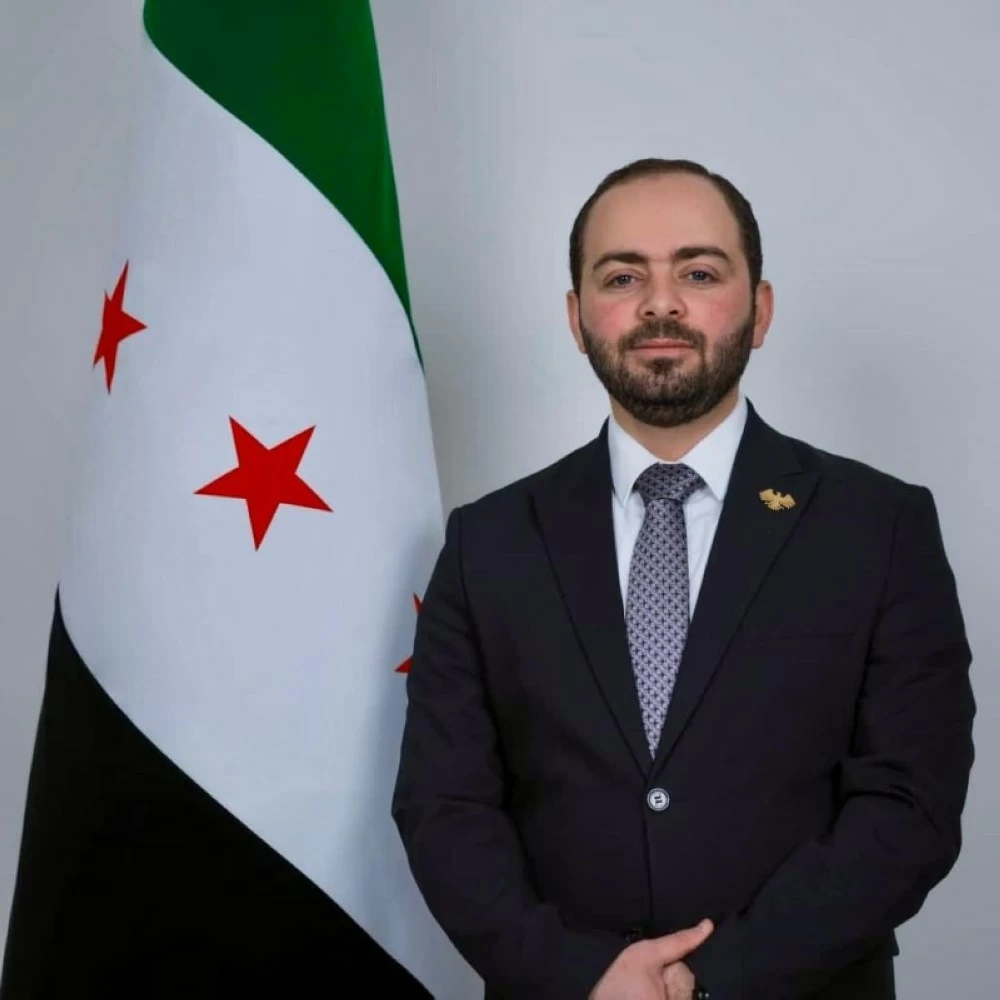
أكد رئيس مكتب وزير الخارجية المشرف على عمل البعثة السورية في الرياض محسن مهباش، أن ما يجري في شمال شرق سورية يأتي ضمن مسار وطني شامل، لإعادة بسط دور الدولة القانوني والمؤسساتي، عقب عام من ظروف النزاع الاستثنائية، وذلك من خلال عملية دمج منظمة تهدف إلى استعادة الأمن والخدمات والإدارة المدنية ضمن إطار وطني موحد، بما يعزز وحدة الأراضي السورية ويرفض أي محاولات للتقسيم أو وجود سلطات خارج مؤسسات الدولة.
وأوضح مهباش، أن هذا المسار يقوم على استعادة سلطة الدولة ووحدة القرار الوطني، مشدداً على أن قضايا الأمن والحدود والمعابر والمؤسسات العامة، تعد وظائف سيادية حصرية للدولة وغير قابلة للتفاوض، مع تأكيد عدم وجود أي إدارة موازية أو تقاسم للسلطة في شمال شرق البلاد. وبيّن أن عملية الدمج العسكري والأمني تتم بشكل فردي ووفقاً للقانون السوري، عبر إدماج الأفراد والسلاح وسلاسل القيادة ضمن الهياكل الرسمية، بما ينهي الازدواجية ويؤسس لمنظومة أمنية وطنية موحدة، إلى جانب ترتيبات إدارية وانتقالية تهدف إلى تحقيق الاستقرار دون المساس بالسيادة أو الشرعية الوطنية. وأشار إلى أن تنفيذ هذا المسار يجري عبر مراحل واضحة وجداول زمنية محددة، بما يضمن عدم حدوث فراغ أمني أو إداري، مع استعادة المؤسسات المدنية والخدمية والحيوية، والحفاظ على الكوادر القائمة ودمجها دون إقصاء، إلى جانب ضمان حماية المدنيين وحقوق جميع المواطنين، وفي مقدمتهم المواطنون الأكراد بوصفهم جزءاً أصيلاً من النسيج الوطني السوري. وأكد مهباش في ختام تصريحه أن الاتفاق الجديد يُعد مكمّلاً لاتفاق 18 يناير، ويأتي في إطار ترسيخ الاستقرار وتعزيز وحدة الدولة السورية.
The head of the Foreign Minister's office supervising the work of the Syrian mission in Riyadh, Mohsen Mhabash, confirmed that what is happening in northeastern Syria is part of a comprehensive national path to restore the legal and institutional role of the state, following a year of exceptional conflict conditions. This is being achieved through a merging process aimed at restoring security, services, and civil administration within a unified national framework, which enhances the unity of Syrian territories and rejects any attempts at division or the existence of authorities outside state institutions.
Mhabash clarified that this path is based on restoring state authority and national decision unity, emphasizing that issues of security, borders, crossings, and public institutions are exclusive sovereign functions of the state and are non-negotiable. He confirmed that there is no parallel administration or power-sharing in the northeastern part of the country. He explained that the military and security merging process is carried out individually and in accordance with Syrian law, by integrating individuals, weapons, and chains of command into official structures, thereby ending duality and establishing a unified national security system, alongside administrative and transitional arrangements aimed at achieving stability without compromising sovereignty or national legitimacy. He pointed out that the implementation of this path occurs through clear stages and specific timelines, ensuring that there is no security or administrative vacuum, while restoring civil, service, and vital institutions, and maintaining existing personnel and integrating them without exclusion, along with ensuring the protection of civilians and the rights of all citizens, foremost among them the Kurdish citizens as an integral part of the Syrian national fabric. Mhabash concluded his statement by affirming that the new agreement is a complement to the agreement of January 18 and comes within the framework of consolidating stability and enhancing the unity of the Syrian state.