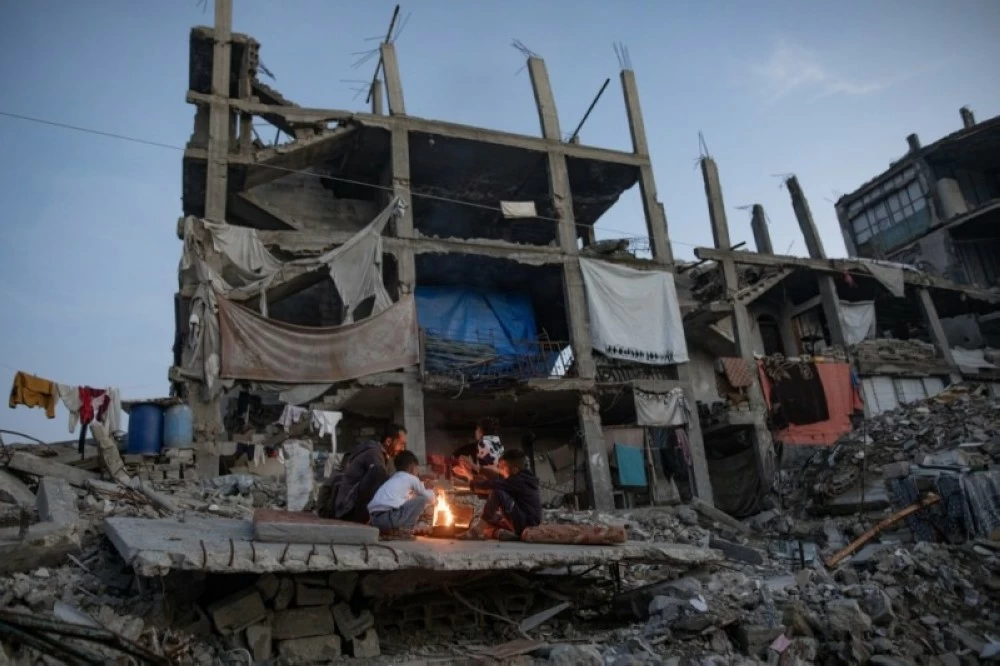
أعربت 10 دول بينهم بريطانيا وكندا وفرنسا اليوم (الثلاثاء)، عن قلقها البالغ إزاء تدهور الوضع الإنساني مجدداً في غزة، واصفين الوضع بـ«الكارثي».
وطالبت الدول الـ10 -في بيان نشرته وزارة الخارجية البريطانية- إسرائيل بالسماح للمنظمات غير الحكومية بالعمل في مدنها بشكل مستدام ومنتظم، وضمان استمرار عمل الأمم المتحدة في القطاع الفلسطيني.
مطالبة برفع القيود الإسرائيلية
وقالت كندا والدانمارك وفنلندا وفرنسا وإيسلندا واليابان والنرويج والسويد وسويسرا وبريطانيا في بيان مشترك: «نعرب عن قلقنا البالغ إزاء تدهور الوضع الإنساني مجدداً في غزة، الذي لا يزال كارثياً»، مشددين على ضرورة رفع إسرائيل القيود غير المعقولة المفروضة على بعض الواردات، مثل المعدات الطبية وتلك الخاصة بالإيواء، وفتح المعابر الحدودية لزيادة تدفق المساعدات الإنسانية إلى غزة.
ورحب البيان بالتقدم المحرز لإنهاء إراقة الدماء في غزة وتأمين إطلاق سراح الرهائن الإسرائيليين، مشدداً بالقول: «مع ذلك، لن نغفل عن معاناة المدنيين في غزة».
ودعا وزراء خارجية الدول الـ10 إلى فتح المعابر لتعزيز تدفق المساعدات الإنسانية إلى غزة، مشيدين بالفتح الجزئي لمعبر جسر اللنبي.
وأكد وزراء الخارجية في البيان أن ممرات أخرى لنقل البضائع لا تزال مغلقة أو تخضع لقيود مشددة، بما في ذلك معبر رفح، لنقل المساعدات الإنسانية.
احتياجات غزة الإنسانية
وأوضح البيان أن الإجراءات الجمركية البيروقراطية وعمليات التفتيش المكثفة تسببت في تأخيرات، بينما يُسمح بدخول الشحنات التجارية بحرية أكبر، مشددين بالقول: «ينبغي أن يكون هدف 4200 شاحنة أسبوعياً، بما في ذلك تخصيص 250 شاحنة تابعة للأمم المتحدة يومياً، حداً أدنى لا حداً أقصى، ويجب رفع هذه الأهداف لضمان وصول الإمدادات الحيوية بالكميات المطلوبة».
ولفت البيان إلى أنه لا يزال 1.3 مليون شخص بحاجة ماسة إلى دعم عاجل للإيواء، وأكثر من نصف المرافق الصحية تعمل جزئياً فقط وتعاني من نقص في المعدات والمستلزمات الطبية الأساسية، وقد أدى الانهيار التام للبنية التحتية للصرف الصحي إلى جعل 740 ألف شخص عرضة لخطر فيضانات سامة، مؤكدين أنه مع حلول فصل الشتاء، يواجه المدنيون في غزة ظروفاً مروعة مع هطول أمطار غزيرة وانخفاض درجات الحرارة.
Ten countries, including Britain, Canada, and France, expressed their deep concern today (Tuesday) about the deteriorating humanitarian situation once again in Gaza, describing the situation as "catastrophic."
The ten countries - in a statement published by the British Foreign Office - called on Israel to allow non-governmental organizations to operate sustainably and regularly in its cities and to ensure the continued work of the United Nations in the Palestinian territory.
Call to Lift Israeli Restrictions
Canada, Denmark, Finland, France, Iceland, Japan, Norway, Sweden, Switzerland, and Britain stated in a joint statement: "We express our deep concern about the deteriorating humanitarian situation once again in Gaza, which remains catastrophic," emphasizing the need for Israel to lift the unreasonable restrictions imposed on certain imports, such as medical equipment and shelter supplies, and to open border crossings to increase the flow of humanitarian aid to Gaza.
The statement welcomed the progress made in ending the bloodshed in Gaza and securing the release of Israeli hostages, stressing: "However, we will not overlook the suffering of civilians in Gaza."
The foreign ministers of the ten countries called for the opening of crossings to enhance the flow of humanitarian aid to Gaza, praising the partial opening of the Allenby Bridge crossing.
The foreign ministers confirmed in the statement that other corridors for transporting goods remain closed or subject to strict restrictions, including the Rafah crossing, for the transport of humanitarian aid.
Humanitarian Needs in Gaza
The statement clarified that bureaucratic customs procedures and intensive inspections have caused delays, while commercial shipments are allowed to enter with greater freedom, emphasizing: "The target of 4,200 trucks per week, including the allocation of 250 trucks from the United Nations daily, should be a minimum, not a maximum, and these targets must be raised to ensure the delivery of vital supplies in the required quantities."
The statement noted that 1.3 million people still urgently need shelter support, and more than half of health facilities are only partially operational and suffer from a shortage of essential medical equipment and supplies. The complete collapse of the sewage infrastructure has put 740,000 people at risk of toxic flooding, stressing that with the onset of winter, civilians in Gaza face horrific conditions with heavy rainfall and dropping temperatures.