اعتبرت صحيفة «صنداي تايمز» أنه في الظروف الحالية، يبدو تنفيذ المرحلة الثانية من خطة السلام لإنهاء الحرب في غزة «أمرا مستحيلا» لعدة أسباب متشابكة ومعقدة.
وتنص هذه المرحلة على نزع سلاح حماس، تشكيل سلطة حاكمة جديدة في القطاع، وانسحاب جيش الاحتلال الإسرائيلي.
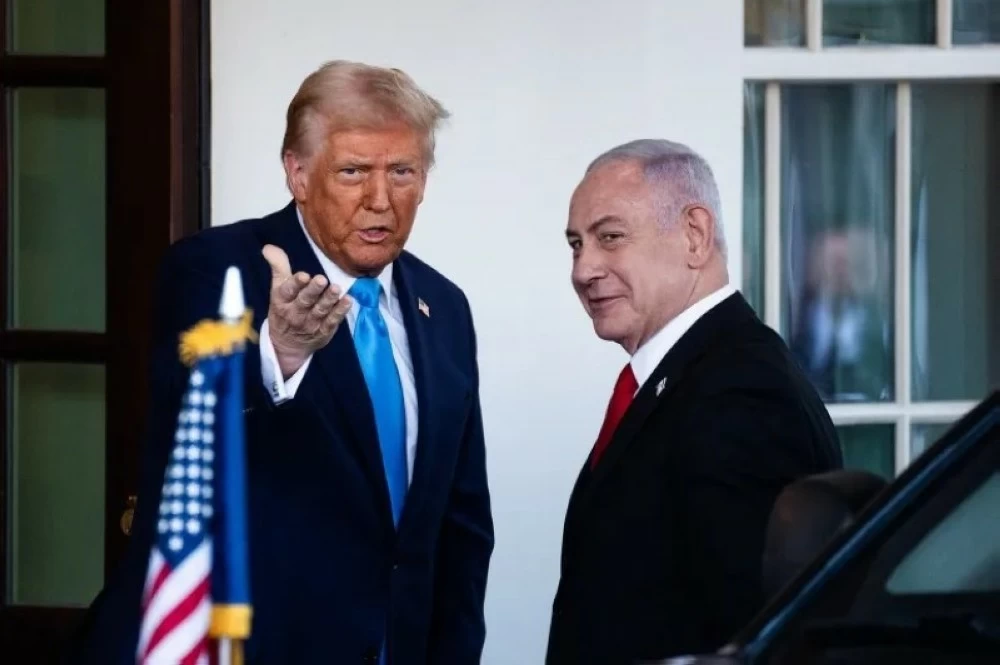
لقاء ترمب - بنتنياهو
وفي هذا السياق، نقلت الصحيفة البريطانية عن الصحفي والمؤرخ المتخصص في شؤون الدفاع والشؤون الخارجية مارك أوربان قوله: يقول إن الجهود تُبذل لتحديد مستقبل غزة ومن سيعزز السيطرة عليها قبل اللقاء المقرر بين الرئيس الأمريكي دونالد ترمب ورئيس الوزراء الإسرائيلي بنيامين نتنياهو في 29 من الشهر الجاري.
ولفت إلى تحذير رئيس الوزراء القطري محمد بن عبد الرحمن أخيرا من عواقب تجميد الانسحاب الإسرائيلي، واحتمال تجدد الصراع.
فيما أفاد نائب مستشار الأمن القومي الإسرائيلي السابق إران إيتزيون، بأن نتنياهو قد يكون يستهدف تفشيل الخطة واستغلال تردد حماس من أجل تجميد العملية.
نزع سلاح حماس
ومن التحديات الكبرى، وفق أوربان، نزع سلاح حماس التي أعلنت أنها قد تتخلى عن الأسلحة الثقيلة وترفض التخلص من الأسلحة النارية، لافتا إلى إعلان أحد مسؤوليها إمكانية تجميد أو تخزين الأسلحة.
ويعتقد الكاتب أن جزءا كبيرا من المشكلة يتركز في تحديد دور القوة الدولية المستقرة والجهات التي ستراقب عملية نزع السلاح.
وينسب إلى المسؤول في حماس رفضه وجود قوة دولية تقوم بالإشراف على نزع سلاح حماس، مؤكدا أن دورها يجب أن يكون على الحدود فقط لمنع التصعيد.
ويعتقد أوربان أن موقف حماس يمثل إشكالا يؤثر على استعداد الدول لإرسال قوات تستقر في غزة، إذ إن الدول مثل أذربيجان وإندونيسيا وباكستان تواجه تحديات سياسية داخلية تمنعها من المشاركة في هذه المهمة.
شكوك ومقترحات للبحث
ولفت إلى المقترحات المطروحة ومنها استبدال وحدات حماس المسلحة بقوة شرطة فلسطينية جديدة، ليقول إذا كانت هذه القوة تتكون من مقاتلين سابقين من الفصائل المسلحة، فإنه يشكك في قدرتها على نزع سلاح حماس، مضيفا أن هذه النقطة تزيد من تعقيد الوضع وتجعل الأمور أكثر غموضا حول مدى جدية واستدامة أي حلول مستقبلية.
وقال إن الأمر الذي يزيد الشكوك حول استمرار وقف إطلاق النار والانتقال إلى المرحلة التالية من خطة السلام هو استمرار العنف بين الجيش الإسرائيلي وحماس منذ بدء وقف إطلاق النار في العاشر من أكتوبر الماضي.
وأضاف أن تصريحات قائد الجيش الإسرائيلي أيال زمير زادت من شكوك الدبلوماسيين، إذ أشار إلى أن الخط الأصفر قد يصبح الحدود الجديدة مع غزة، ما يعني أن إسرائيل قد تحتفظ بنصف القطاع بشكل دائم، وهذا يعيق أي تقدم نحو السلام الشامل.
تردد الدول المشاركة
وحسب الصحيفة، فإن من المشاكل الأساسية في تنفيذ الخطة معارضة حماس وجود قوات أجنبية، يجعل من الصعب جذب الدول للمشاركة في قوة استقرار دولية. وحتى الآن، فإن الدول التي كانت مستعدة في البداية بدأت تشكك في مشاركتها بسبب الشروط غير المحددة لمهمات وقوانين الاشتباك الخاصة بالقوة الدولية.
واستبعدت أن تقدم الولايات المتحدة قوات برية على الرغم من محاولتها تشجيع حلفائها عبر تقديم جنرال أمريكي لقيادة القوة، بسبب معارضة قاعدة الرئيس ترمب «ماغا» للحروب الخارجية.
The "Sunday Times" newspaper considered that under the current circumstances, the implementation of the second phase of the peace plan to end the war in Gaza seems "impossible" for several intertwined and complex reasons.
This phase calls for the disarmament of Hamas, the formation of a new governing authority in the sector, and the withdrawal of the Israeli occupation army.
Trump - Netanyahu Meeting
In this context, the British newspaper quoted journalist and historian specializing in defense and foreign affairs, Mark Urban, as saying that efforts are being made to determine the future of Gaza and who will enhance control over it before the scheduled meeting between U.S. President Donald Trump and Israeli Prime Minister Benjamin Netanyahu on the 29th of this month.
He pointed out the warning from Qatari Prime Minister Mohammed bin Abdulrahman recently about the consequences of freezing the Israeli withdrawal and the possibility of renewed conflict.
Meanwhile, former Israeli National Security Advisor Eran Etzion stated that Netanyahu may be aiming to sabotage the plan and exploit Hamas's hesitation to freeze the process.
Disarming Hamas
According to Urban, one of the major challenges is the disarmament of Hamas, which has announced that it may give up heavy weapons but refuses to dispose of firearms, noting that one of its officials declared the possibility of freezing or storing weapons.
The writer believes that a significant part of the problem lies in determining the role of the stabilizing international force and the entities that will monitor the disarmament process.
It is attributed to the Hamas official's rejection of the presence of an international force overseeing Hamas's disarmament, emphasizing that its role should only be at the borders to prevent escalation.
Urban believes that Hamas's position represents a problem affecting countries' willingness to send forces to stabilize Gaza, as countries like Azerbaijan, Indonesia, and Pakistan face internal political challenges that prevent them from participating in this mission.
Doubts and Proposals for Discussion
He pointed to the proposed alternatives, including replacing armed Hamas units with a new Palestinian police force, stating that if this force consists of former fighters from armed factions, he doubts its ability to disarm Hamas, adding that this point complicates the situation further and makes matters more ambiguous regarding the seriousness and sustainability of any future solutions.
He said that what increases doubts about the continuation of the ceasefire and the transition to the next phase of the peace plan is the ongoing violence between the Israeli army and Hamas since the ceasefire began on October 10th.
He added that statements from Israeli army chief Ayal Zamir have increased diplomats' doubts, as he indicated that the yellow line could become the new border with Gaza, meaning that Israel might permanently retain half of the sector, which hinders any progress towards comprehensive peace.
Reluctance of Participating Countries
According to the newspaper, one of the main problems in implementing the plan is Hamas's opposition to the presence of foreign forces, making it difficult to attract countries to participate in an international stabilization force. So far, countries that were initially willing have begun to question their participation due to the undefined conditions for missions and the rules of engagement for the international force.
It is unlikely that the United States will provide ground forces despite its attempts to encourage its allies by offering an American general to lead the force, due to the opposition of President Trump's "MAGA" base to foreign wars.