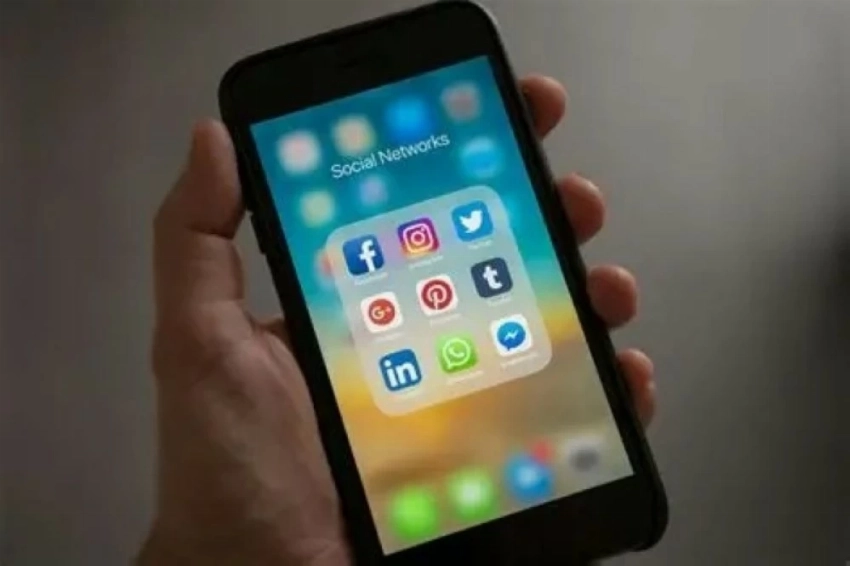
أعلنت هيئة الجمارك وحماية الحدود الأمريكية اقتراحا جديدا يلزم جميع الزوار الأجانب، بما في ذلك السياح القادمين من دول تتمتع ببرنامج الإعفاء من التأشيرة، بتقديم معلومات عن حساباتهم على وسائل التواصل الاجتماعي خلال السنوات الخمس الماضية عند التقدم للحصول على إذن السفر الإلكتروني أو التأشيرة.
ووفقاً لإشعار نشر يوم الثلاثاء في السجل الفيدرالي الأمريكي، يهدف هذا الإجراء إلى تعزيز فحص الخلفية الأمنية للزوار، ويأتي تنفيذاً لأمر تنفيذي صادر عن الرئيس دونالد ترمب في يناير 2025 بعنوان «حماية الولايات المتحدة من الإرهابيين الأجانب وغيرها من التهديدات الأمنية والسلامة العامة».
ويشمل الاقتراح أيضاً تقديم عناوين بريد إلكتروني وأرقام هواتف مستخدمة خلال السنوات الخمس الماضية، بالإضافة إلى معلومات عن أفراد العائلة.
وتضيف هيئة الجمارك وحماية الحدود، إلى جانب سجلات وسائل التواصل الاجتماعي، حقول بيانات جديدة تشمل عناوين البريد الإلكتروني وأرقام الهواتف التي استخدمها المسافر خلال السنوات الخمس الماضية، إضافة إلى عناوين وأسماء أفراد عائلته.
ولم تصدر وزارة الأمن الداخلي تعليقا فوريا على هذا المقترح، بينما يتيح السجل الفيدرالي للجمهور مهلة قدرها ستين يوماً لتقديم الملاحظات.
وبدأت الولايات المتحدة في جمع معلومات وسائل التواصل الاجتماعي بشكل اختياري منذ عام 2015، ثم جعلته إلزامياً لمعظم طلبات التأشيرات منذ عام 2019، ومع ذلك، كان التقديم اختيارياً للمسافرين عبر برنامج الإعفاء من التأشيرة والذي يشمل 42 دولة مثل بريطانيا وفرنسا وألمانيا واليابان.
وفي عام 2025، شهدت السياسة توسعاً كبيراً، حيث أصبح تقديم الحسابات إلزامياً لطلبة التأشيرات الدراسية، والتبادلية منذ يونيو، ثم امتد إلى تأشيرات العمل H-1B وH-4 في ديسمبر، والآن، تقترح هيئة الجمارك جعله إلزامياً لجميع الزوار، بما في ذلك السياح، مما يعني أن أي حساب غير مكشوف قد يؤدي إلى رفض الدخول أو تأخير.
أثار الاقتراح جدلاً واسعاً، حيث يرى معارضوه أنه ينتهك خصوصية الأفراد ويحد من حرية التعبير، وقد يؤثر سلباً على السياحة الأمريكية التي تواجه انخفاضاً متوقعاً في 2025.
وتستعد الولايات المتحدة لاستضافة فعاليات كأس العالم لكرة القدم العام القادم، وهو حدث يجذب جماهير من مختلف دول العالم، بما في ذلك من المملكة المتحدة ودول أخرى لا تفرض الولايات المتحدة على مواطنيها الحصول على تأشيرة دخول.
The U.S. Customs and Border Protection has announced a new proposal that requires all foreign visitors, including tourists from countries with a visa waiver program, to provide information about their social media accounts from the past five years when applying for an electronic travel authorization or visa.
According to a notice published on Tuesday in the U.S. Federal Register, this measure aims to enhance the security background checks for visitors and comes in implementation of an executive order issued by President Donald Trump in January 2025 titled "Protecting the United States from Foreign Terrorists and Other Security Threats."
The proposal also includes providing email addresses and phone numbers used during the past five years, in addition to information about family members.
Customs and Border Protection adds that, alongside social media records, new data fields will include email addresses and phone numbers that the traveler has used over the past five years, as well as the addresses and names of family members.
The Department of Homeland Security has not issued an immediate comment on this proposal, while the Federal Register allows the public a period of sixty days to submit feedback.
The United States began collecting social media information on a voluntary basis in 2015, then made it mandatory for most visa applications since 2019; however, it was optional for travelers under the visa waiver program, which includes 42 countries such as the UK, France, Germany, and Japan.
In 2025, the policy saw significant expansion, as providing accounts became mandatory for student visa applicants and exchange visitors since June, then extended to H-1B and H-4 work visas in December, and now Customs proposes to make it mandatory for all visitors, including tourists, meaning that any undisclosed account could lead to denial of entry or delays.
The proposal has sparked widespread controversy, as opponents argue that it violates individuals' privacy and limits freedom of expression, and it could negatively impact American tourism, which is expected to decline in 2025.
The United States is preparing to host the FIFA World Cup next year, an event that attracts fans from various countries around the world, including from the UK and other countries whose citizens are not required by the U.S. to obtain a visa for entry.