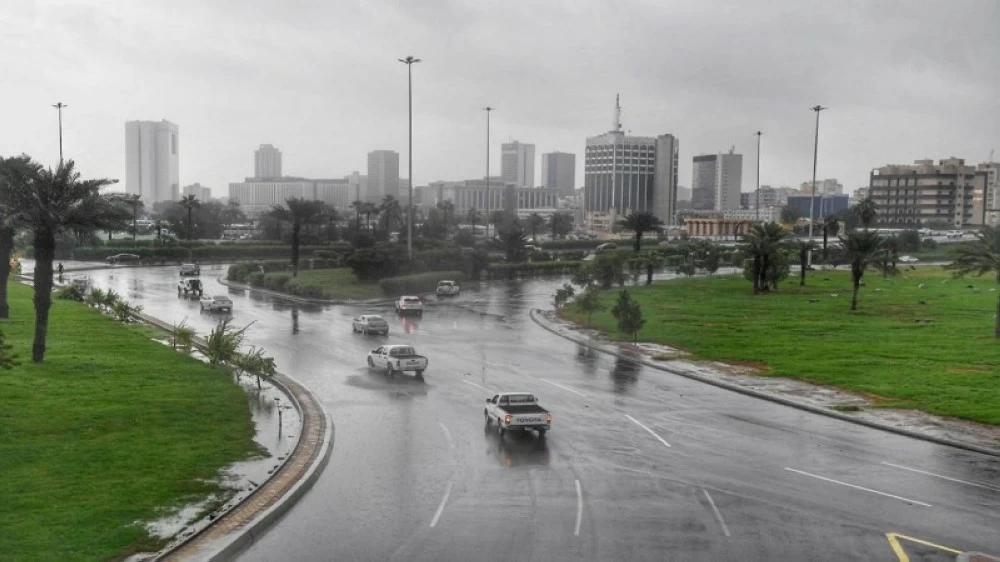
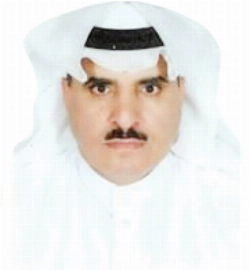
أكد الرئيس التنفيذي للمركز الوطني للأرصاد الدكتور أيمن بن سالم غلام، أن النشرات والبيانات الاستباقية التي أصدرها المركز خلال الأيام الماضية أسهمت بشكل مباشر في نجاح تعامل الجهات المعنية مع الحالة المطرية التي تشهدها معظم مناطق المملكة، مشيراً إلى أن المعلومات الدقيقة والتحديثات المتواصلة دعمت الجاهزية الميدانية وسرعة اتخاذ القرار.
وأوضح الدكتور غلام، خلال متابعته الحالة المطرية من غرفة العمليات، أن سرعة تفاعل الجهات المعنية مع ما يقدمه المركز من بيانات إنذارية وحلول تنبؤية أسهمت في رفع مستوى التنسيق والتعامل الفعّال مع متغيرات الطقس؛ مما انعكس إيجاباً على تعزيز تدابير السلامة، والتقليل من الآثار المصاحبة للحالة.
وأشار إلى وجود دراسات علمية حديثة تؤكد تحولاً مناخيّاً في توقيتات الأمطار بالمملكة، يتمثل في انتقال ذروة الهطول من شهر نوفمبر إلى شهر ديسمبر، مبيناً أن الإدارة العامة للبحث والتطوير والابتكار بالمركز تعمل على دراسات متخصصة لفهم هذه التغيرات المرتبطة بأنظمة الغلاف الجوي وتوقعاتها المستقبلية.
وأشار إلى أن التكامل والتنسيق القائم بين المركز والجهات الحكومية ذات العلاقة أصبح اليوم أكثر فاعلية من أي وقت مضى، إذ انعكس ذلك بوضوح على تسريع الاستجابة الميدانية ورفع مستوى الكفاءة التشغيلية. مبيناً أن المركز أجرى عدداً من الدراسات المهمة، من أبرزها دراسة تعنى بغزارة الأمطار وسبل التحوط منها، إلى جانب عقد اجتماعات وورش عمل عدة مع الجهات المعنية، واليوم تُجنى ثمار هذا التكامل على أرض الواقع.
وختم الدكتور غلام بتأكيد استمرار المركز في تعزيز جاهزية منظومة الإنذار المبكر، وتطوير قدرات الرصد والتنبؤ؛ لضمان أعلى درجات الاستجابة لحالات الطقس المؤثرة ودعم الجهات الميدانية بالمعلومات الدقيقة في حينها.
The CEO of the National Center of Meteorology, Dr. Ayman bin Salem Ghulam, confirmed that the alerts and proactive data issued by the center in recent days have directly contributed to the successful handling of the rainy conditions experienced in most regions of the Kingdom, noting that accurate information and continuous updates supported field readiness and quick decision-making.
Dr. Ghulam explained, while monitoring the rainy conditions from the operations room, that the swift response of the concerned authorities to the warning data and predictive solutions provided by the center contributed to enhancing coordination and effective handling of weather changes; which positively reflected on strengthening safety measures and reducing the accompanying effects of the situation.
He pointed out that there are recent scientific studies confirming a climatic shift in the timing of rainfall in the Kingdom, represented by the peak of precipitation moving from November to December, indicating that the General Administration for Research, Development, and Innovation at the center is working on specialized studies to understand these changes related to atmospheric systems and their future predictions.
He noted that the integration and coordination between the center and the relevant government agencies have become more effective than ever, as this has clearly reflected on speeding up field response and raising operational efficiency. He indicated that the center has conducted several important studies, the most notable of which is a study focused on heavy rainfall and ways to mitigate it, in addition to holding several meetings and workshops with the concerned authorities, and today the fruits of this integration are being realized on the ground.
Dr. Ghulam concluded by affirming the center's continued efforts to enhance the readiness of the early warning system and to develop monitoring and forecasting capabilities; to ensure the highest levels of response to impactful weather conditions and to support field authorities with accurate information in a timely manner.