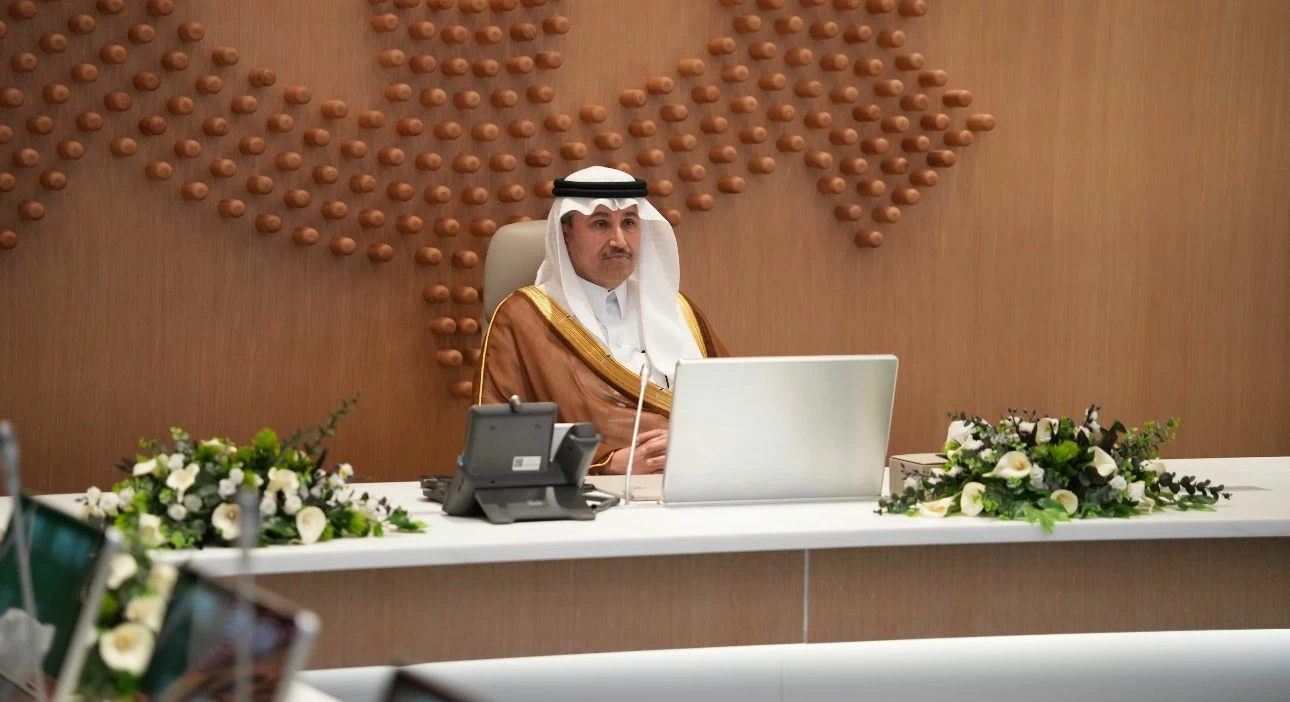
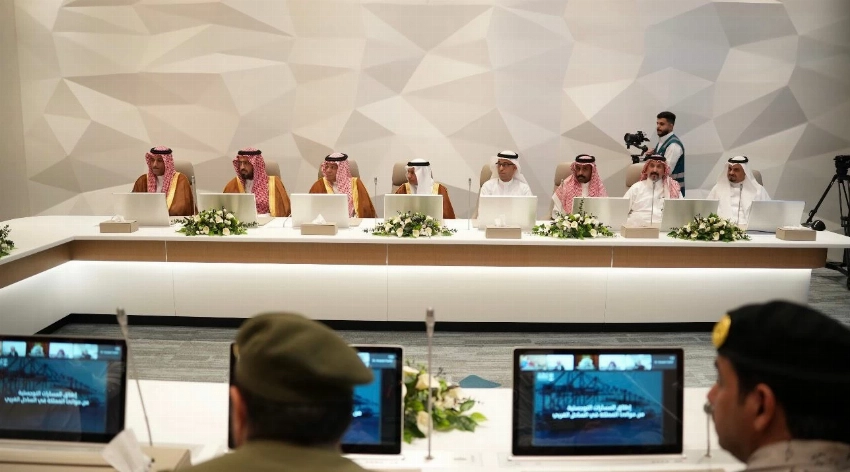
دشن وزير النقل والخدمات اللوجستية رئيس مجلس إدارة الهيئة العامة للموانئ المهندس صالح بن ناصر الجاسر، بحضور محافظ هيئة الزكاة والضريبة والجمارك المهندس سهيل بن محمد أبانمي، ورئيس الهيئة العامة للموانئ المهندس سليمان بن خالد المزروع، مبادرة المسارات اللوجستية، التي تهدف إلى توفير ممرات تشغيلية مخصصة لاستقبال الحاويات والبضائع المحولة من موانئ المنطقة الشرقية بالمملكة وموانئ دول مجلس التعاون الخليجي، إلى ميناء جدة الإسلامي وموانئ المملكة على ساحل البحر الأحمر، بما يعزز كفاءة سلاسل الإمداد ويسهم في تسهيل حركة البضائع بين موانئ المملكة.
ونوه وزير النقل والخدمات اللوجستية خلال جولته الميدانية بالدعم الكبير الذي تحظى به منظومة النقل والخدمات اللوجستية من خادم الحرمين الشريفين الملك سلمان بن عبدالعزيز وولي عهده الأمين الأمير محمد بن سلمان.
وقال: إن المملكة كمركز لوجستي عالمي مستمرة في مختلف الظروف لضمان استقرار سلاسل الإمداد، ودعم الأسواق الإقليمية والعالمية والحفاظ على انسيابية تدفق السلع والمواد عبر حركة خطوط التجارة الدولية.
وبين الجاسر أن ميناء جدة الإسلامي وبقية موانئ المملكة على الساحل الغربي تقوم بدور محوري كبير من خلال استيعاب الشحنات والحاويات المحولة من الموانئ الواقعة على الساحل الشرقي للمملكة، واستقبال الحاويات القادمة من موانئ دول الخليج العربية، والربط مع الأسواق الإقليمية والدولية.
وأكد وزير النقل والخدمات اللوجستية على الجاهزية العالية التي تتمتع بها منظومة النقل والخدمات اللوجستية وقدراتها الواسعة والمتنوعة للاستجابة السريعة لمتطلبات حركة سلاسل الإمداد، مشيداً بمتانة البنية التحتية ومرونة الخدمات اللوجستية بالمملكة، مما مكّنها من التعامل السريع مع التحولات الراهنة، وتفعيل ممرات لوجستية بديلة لضمان استمرار حركة التجارة وسلاسل الإمداد في المنطقة.
وأضاف: إن منظومة النقل والخدمات اللوجستية وفي ظل التسهيلات الواسعة التي تقدمها القيادة الرشيدة، تعمل بكفاءة وانتظام عبر تعزيز الطاقة التشغيلية للموانئ والمطارات وشبكات النقل، بما يضمن استقرار سلاسل الإمداد ودعم الأسواق المحلية والإقليمية بكفاءة وموثوقية.
خطوة مهمة لتعزيز تكامل الإجراءات الجمركية واللوجستية
من جانبه، أوضح محافظ هيئة الزكاة والضريبة والجمارك المهندس سهيل بن محمد أبانمي أن مبادرة المسارات اللوجستية تمثل خطوة مهمة لتعزيز تكامل الإجراءات الجمركية واللوجستية بين موانئ المملكة وموانئ دول مجلس التعاون الخليجي.
وأشار إلى أن الهيئة تعمل بالتنسيق مع الجهات ذات العلاقة على تسهيل حركة البضائع وتسريع إجراءات التخليص الجمركي، بما يدعم انسيابية سلاسل الإمداد ويعزز كفاءة حركة التجارة الإقليمية والدولية.
وأضاف أبانمي أن الهيئة من خلال جميع المنافذ الجمركية بالمملكة تتيح خدمة النقل بالعبور التي تمكّن من نقل البضائع عبر أراضي المملكة إلى دول مجلس التعاون الخليجي عبر المنافذ البرية والبحرية والجوية، إلى جانب الخدمات التي تقدمها الهيئة من خلال مناطق الإيداع في مختلف مناطق المملكة، حيث تتيح للمستوردين والمصدرين إمكانية تخزين البضائع مع تعليق الرسوم والضرائب، وإدارة بضائعهم بمرونة وكفاءة عالية قبل فسحها جمركيًا أو إعادة تصديرها إلى خارج المملكة، بما يسهم في تسهيل حركة التجارة وتسريع عمليات سلسلة الإمداد، ويعزز مكانة المملكة كمركز لوجستي عالمي.
وأكد أن هذه الجهود تعكس الدور الذي تضطلع به المملكة في دعم تكامل سلاسل الإمداد وتعزيز انسيابية حركة التجارة الدولية، بما يرسخ مكانتها محورًا لوجستيًا يسهم في تسهيل تدفق السلع وخدمة الحركة التجارية بين الدول.
من جهته، قال رئيس الهيئة العامة للموانئ المهندس سليمان بن خالد المزروع إن هذه المسارات هي نتاج دعم القيادة الملهمة وتكامل مع القطاع الحكومي وشراكة مع القطاع الخاص لضمان استمرارية حركة سلاسل الإمداد وتعزيز انسيابية تدفق البضائع، مؤكداً أن الموانئ السعودية تمتلك قدرات تشغيلية متقدمة وبنية تحتية متكاملة مكّنتها من استيعاب التحولات في حركة التجارة، واستقبال الحاويات والبضائع المحوّلة بكفاءة عالية، لا سيما عبر موانئ الساحل الغربي وفي مقدمتها ميناء جدة الإسلامي، بما يعكس جاهزية الموانئ السعودية وقدرتها الاستيعابية وكفاءتها التشغيلية في دعم التجارة الإقليمية والدولية.
وخلال جولته في الميناء ترأس وزير النقل والخدمات اللوجستية اجتماع مركز التحكم والسيطرة في ميناء جدة الإسلامي، واستمع إلى ايجاز عن عمليات المناولة وحركة السفن والبواخر وعمليات الشحن والتفريغ، عقب ذلك قام بجولة ميدانية تفقد خلالها محطات الحاويات والمناطق اللوجستية في الميناء ومراكز إعادة التصدير، وفي نهاية الجولة التقى العاملين في الميناء مثمناً جهودهم ومنوهاً بالتعاون الكبير والتنسيق المثمر مع كافة الجهات في القطاعين العام والخاص لتحقيق توجيهات القيادة الرشيدة في هذا القطاع الحيوي.
يذكر أن ميناء جدة الإسلامي يُعد أكبر ميناء محوري على البحر الأحمر، وأحد أهم المراكز اللوجستية في المنطقة، كما تتمتع موانئ المملكة على ساحل البحر الأحمر بطاقة استيعابية تتجاوز 18.6 مليون حاوية قياسية سنوياً، ما يعزز قدرتها على دعم حركة التجارة الدولية واستيعاب التحولات في مسارات سلاسل الإمداد العالمية.
The Minister of Transport and Logistics Services, Chairman of the Board of Directors of the General Authority for Ports, Engineer Saleh bin Nasser Al-Jasser, launched the Logistics Corridors Initiative, in the presence of the Governor of the Zakat, Tax and Customs Authority, Engineer Suhail bin Mohammed Abanami, and the Chairman of the General Authority for Ports, Engineer Suleiman bin Khalid Al-Mazrou. This initiative aims to provide dedicated operational corridors to receive containers and goods transferred from the ports of the Eastern Province of the Kingdom and the ports of the Gulf Cooperation Council countries to the Islamic Port of Jeddah and the ports of the Kingdom on the Red Sea coast, enhancing the efficiency of supply chains and facilitating the movement of goods between the ports of the Kingdom.
During his field tour, the Minister of Transport and Logistics Services noted the significant support that the transport and logistics system receives from the Custodian of the Two Holy Mosques, King Salman bin Abdulaziz, and the Crown Prince, Prince Mohammed bin Salman.
He stated that the Kingdom, as a global logistics hub, continues under various circumstances to ensure the stability of supply chains, support regional and global markets, and maintain the smooth flow of goods and materials through international trade routes.
Al-Jasser explained that the Islamic Port of Jeddah and the other ports of the Kingdom on the western coast play a major pivotal role by accommodating shipments and containers transferred from the ports located on the eastern coast of the Kingdom, receiving containers coming from the ports of the Gulf Cooperation Council countries, and connecting with regional and international markets.
The Minister of Transport and Logistics Services emphasized the high readiness of the transport and logistics system and its wide and diverse capabilities to respond quickly to the requirements of supply chain movements, praising the robustness of the infrastructure and the flexibility of logistics services in the Kingdom, which has enabled it to swiftly deal with current transformations and activate alternative logistics corridors to ensure the continuity of trade and supply chains in the region.
He added that the transport and logistics system, in light of the extensive facilities provided by the wise leadership, operates efficiently and regularly by enhancing the operational capacity of ports, airports, and transport networks, ensuring the stability of supply chains and supporting local and regional markets efficiently and reliably.
An Important Step to Enhance the Integration of Customs and Logistics Procedures
For his part, the Governor of the Zakat, Tax and Customs Authority, Engineer Suhail bin Mohammed Abanami, clarified that the Logistics Corridors Initiative represents an important step to enhance the integration of customs and logistics procedures between the ports of the Kingdom and the ports of the Gulf Cooperation Council countries.
He pointed out that the Authority is working in coordination with relevant entities to facilitate the movement of goods and expedite customs clearance procedures, supporting the smoothness of supply chains and enhancing the efficiency of regional and international trade movements.
Abanami added that the Authority, through all customs outlets in the Kingdom, provides the transit transport service that enables the transportation of goods across the Kingdom to the Gulf Cooperation Council countries via land, sea, and air outlets, in addition to the services provided by the Authority through deposit areas in various regions of the Kingdom, allowing importers and exporters to store goods with the suspension of fees and taxes, and manage their goods with high flexibility and efficiency before customs clearance or re-exporting them outside the Kingdom, contributing to facilitating trade movement and accelerating supply chain operations, and enhancing the Kingdom's position as a global logistics hub.
He confirmed that these efforts reflect the role that the Kingdom plays in supporting the integration of supply chains and enhancing the smooth flow of international trade, solidifying its position as a logistical hub that contributes to facilitating the flow of goods and serving trade movements between countries.
For his part, the Chairman of the General Authority for Ports, Engineer Suleiman bin Khalid Al-Mazrou, stated that these corridors are the result of the support of inspiring leadership and integration with the government sector and partnership with the private sector to ensure the continuity of supply chain movements and enhance the smooth flow of goods, affirming that Saudi ports possess advanced operational capabilities and integrated infrastructure that have enabled them to accommodate transformations in trade movements and receive containers and transferred goods with high efficiency, especially through the ports on the western coast, led by the Islamic Port of Jeddah, reflecting the readiness of Saudi ports, their capacity, and their operational efficiency in supporting regional and international trade.
During his tour of the port, the Minister of Transport and Logistics Services chaired a meeting at the control and command center at the Islamic Port of Jeddah, where he listened to a briefing on handling operations, ship and vessel movements, and loading and unloading operations. Following that, he conducted a field tour during which he inspected the container terminals and logistics areas in the port and re-export centers. At the end of the tour, he met with the port workers, appreciating their efforts and highlighting the significant cooperation and fruitful coordination with all entities in the public and private sectors to achieve the directives of the wise leadership in this vital sector.
It is worth noting that the Islamic Port of Jeddah is considered the largest pivotal port on the Red Sea and one of the most important logistics centers in the region. The ports of the Kingdom on the Red Sea coast have a capacity exceeding 18.6 million standard containers annually, enhancing their ability to support international trade movements and accommodate transformations in global supply chain routes.