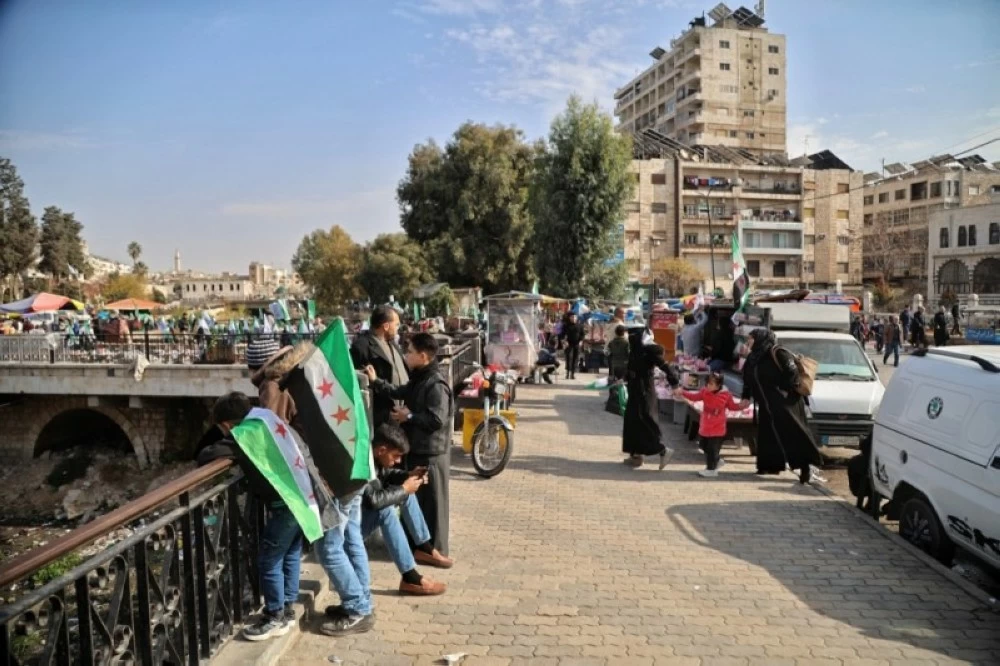
كشفت مفوّضية الأمم المتّحدة السّامية لشؤون اللاجئين، عودة أكثر من 3 ملايين سوري إلى ديارهم حتّى الآن، في أعقاب سقوط نظام بشار الأسد. وأكّدت الحاجة الماسّة لدعم دولي أكبر للحفاظ على الأمن وضمان الاستقرار.
عودة طوعية لـ1.2 مليون
وأضافت المفوّضية أنّ من بين العائدين، أكثر من 1.2 مليون سوري عادوا طواعية من الدول المجاورة، وأكثر من 1.9 مليون نازح داخلي عادوا إلى مناطقهم الأصلية.
وبعد سقوط نظام بشار، بدأت سورية التعافي الاقتصادي للتخلص من آثار الدمار الناتجة عن الحرب التي استمرت نحو 14 عاماً منذ اندلاع الثورة السورية في عام 2011.
وعانت سورية حتى قبل الحرب من أزمات اقتصادية عديدة بسبب حكم عائلة الأسد سواء حافظ الأسد الذي حكم البلاد من 1971 وحتى عام 2000 أو نجله بشار الذي حكم سورية نحو 25 عاماً.
وعاش المواطن السوري تحت حكم قمعي استنزف موارد البلاد وأدخلها في أزمات عديدة انتهت بحرب أدت إلى ارتفاع معدلات الفقر لنحو 90% من المواطنين مع موجات نزوح داخل سورية وخارجها بالملايين.
جانب من العرض العسكري
مسار التعافي الاقتصادي
بعد سقوط نظام بشار الأسد بدأت سورية مسار التعافي الاقتصادي للتخلص من آثار الدمار الناتجة عن الحرب التي استمرت نحو 14 عاماً منذ اندلاع الثورة السورية في عام 2011.
وحتى قبل الحرب التي دمرت البنية التحتية في البلاد، عانت سورية من أزمات اقتصادية عديدة بسبب حكم آل الأسد سواء الأب حافظ الذي حكم سورية من 1971 وحتى عام 2000 أو الابن بشار الذي استمر في الحكم خلفاً لأبيه حتى ديسمبر 2024.
عرض عسكري في دمشق
وعاش المواطن السوري تحت حكم قمعي استنزف موارد الدولة وأدخلها في أزمات عديدة انتهت بحرب أدت إلى ارتفاع معدلات الفقر لنحو 90% من المواطنين مع موجات نزوح داخل سورية وخارجها بالملايين.
ومع اندلاع شرارة الحرب تعرضت سورية لعقوبات اقتصادية نتج عنها انكماش الاقتصاد مع تراجع حاد في الأنشطة الإنتاجية وانهيار القطاعات الاقتصادية المختلفة وتدمير عدد كبير من المصانع وتراجع المساحات الزراعية.
وانهارت الليرة السورية بمعدلات قياسية، وارتفع سعر الدولار من مستوى 50 ليرة في عام 2011 إلى نحو 15 ألف ليرة عند سقوط بشار الأسد، قبل أن ترتفع الليرة قليلاً إلى مستوى 11 ألف ليرة للدولار حالياً.
ومع انهيار الليرة ارتفعت أسعار السلع والخدمات لمستويات كبيرة وسجل تضخم أسعار المستهلكين مستوى بلغ نحو 140%، إضافة إلى انهيار منظومة الدعم التي كانت تساعد الأسر السورية في التأقلم مع تداعيات الانهيار الاقتصادي.
The United Nations High Commissioner for Refugees has revealed that more than 3 million Syrians have returned to their homes so far, following the fall of Bashar al-Assad's regime. It emphasized the urgent need for greater international support to maintain security and ensure stability.
Voluntary return of 1.2 million
The Commission added that among the returnees, more than 1.2 million Syrians returned voluntarily from neighboring countries, and over 1.9 million internally displaced persons returned to their original areas.
After the fall of Bashar's regime, Syria began its economic recovery to rid itself of the devastation caused by the war that lasted nearly 14 years since the outbreak of the Syrian revolution in 2011.
Even before the war, Syria suffered from numerous economic crises due to the rule of the Assad family, whether it was Hafez al-Assad, who ruled the country from 1971 until 2000, or his son Bashar, who ruled Syria for about 25 years.
The Syrian citizen lived under an oppressive regime that drained the country's resources and plunged it into multiple crises, culminating in a war that led to poverty rates soaring to nearly 90% of the population, with millions displaced both inside and outside Syria.
Path to economic recovery
After the fall of Bashar al-Assad's regime, Syria began its path to economic recovery to rid itself of the devastation caused by the war that lasted nearly 14 years since the outbreak of the Syrian revolution in 2011.
Even before the war that destroyed the country's infrastructure, Syria faced numerous economic crises due to the rule of the Assad family, whether it was the father Hafez, who ruled Syria from 1971 until 2000, or the son Bashar, who continued to rule in his father's stead until December 2024.
The Syrian citizen lived under an oppressive regime that drained the state's resources and plunged it into multiple crises, culminating in a war that led to poverty rates soaring to nearly 90% of the population, with millions displaced both inside and outside Syria.
With the outbreak of the war, Syria faced economic sanctions that resulted in economic contraction, a sharp decline in productive activities, the collapse of various economic sectors, the destruction of a large number of factories, and a reduction in agricultural areas.
The Syrian pound collapsed at record rates, with the dollar rising from 50 pounds in 2011 to about 15,000 pounds at the fall of Bashar al-Assad, before the pound slightly recovered to around 11,000 pounds to the dollar currently.
With the collapse of the pound, the prices of goods and services surged to significant levels, and consumer price inflation reached about 140%, in addition to the collapse of the support system that had helped Syrian families cope with the repercussions of the economic collapse.