أعلنت تايلند، اليوم (الإثنين)، أنها شنت غارات جوية داخل الأراضي الكمبودية، عقب اندلاع اشتباكات عنيفة في مناطق متعددة على طول الحدود المتنازع عليها، فيما اتهم كل من البلدين الآخر بانتهاك وقف إطلاق النار الذي توسط فيه الرئيس الأمريكي دونالد ترمب قبل شهرين فقط، مما يهدد بانهيار الهدنة الشائكة ويثير مخاوف من تصعيد إقليمي في جنوب شرق آسيا.
مقتل شخص وإصابة 8 آخرين في الاشتباكات
وقال المتحدث باسم الجيش التايلندي إن جندياً تايلندياً على الأقل قُتل و8 آخرين أُصيبوا في الاشتباكات الجديدة التي تصاعدت عند الساعة الـ5:00 صباحاً بالتوقيت المحلي (22:00 غرينتش يوم الأحد)، مضيفاً أن الدعم الجوي دُعي لضرب أهداف عسكرية كمبودية.
وأوضحت القوات الجوية التايلندية في بيان أن كمبوديا نشرت أسلحة ثقيلة، وأعادت تموضع وحدات قتالية، وأعدت عناصر دعم قد تؤدي إلى تصعيد العمليات العسكرية، مما «دفع إلى استخدام القوة الجوية للردع وتقليص القدرات العسكرية الكمبودية».
كمبوديا تنفي اتهامات تايلند
من جانبها، نفت وزارة الدفاع الكمبودية الاتهامات، ووصفت الهجمات التايلندية بأنها «هجوم فجري» على قواتها في موقعين، عقب «أيام من الأفعال الاستفزازية»، مؤكدة أن قواتها لم ترد.
وأضاف الزعيم السابق هون سن، والد الرئيس الحالي هون مانيت، في منشور على فيسبوك، أن الجيش التايلندي هو «المهاجم» الذي يسعى لاستفزاز رد، داعياً القادة الكمبوديين إلى الضبط.
وقال هون سن: «لقد حددت الخطوط الحمراء للرد بالفعل»، دون تفاصيل، مشدداً على تثقيف الضباط والجنود بضرورة الالتزام بالهدوء.
وأفاد مسؤول إقليمي كبير في كمبوديا بأن ثلاثة مدنيين كمبوديين أُصيبوا بجروح خطيرة في الاشتباكات حتى الآن، بينما أكدت وزارة الدفاع عدم رد قواتها.
إجلاء أكثر من 385 ألف مدني
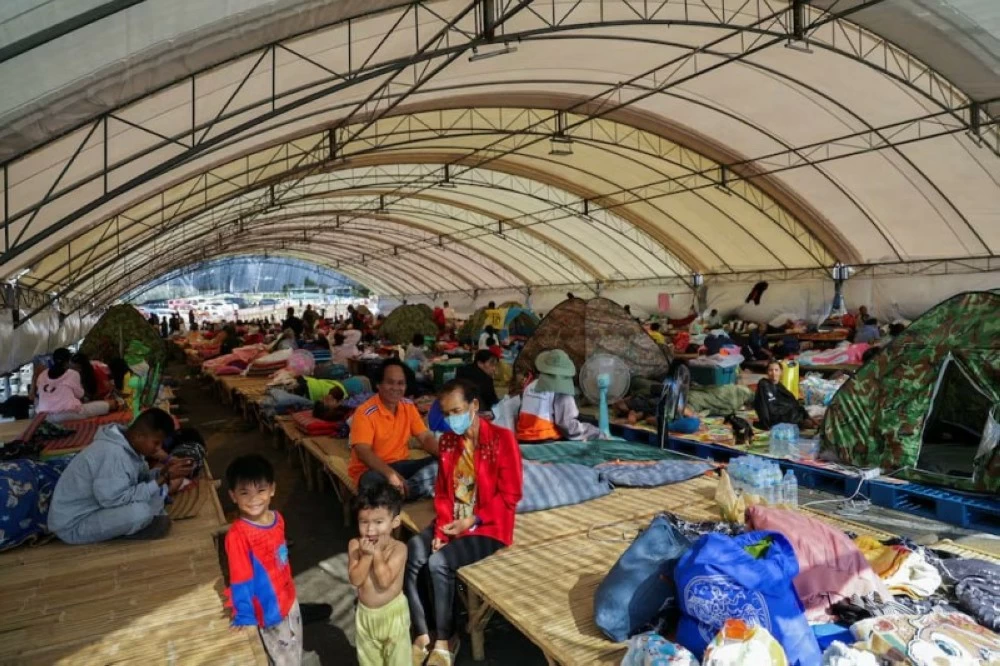
وفي تايلند، يجري إجلاء أكثر من 385 ألف مدني من أربع مقاطعات حدودية، مع إيواء نحو 35 ألفاً في ملاجئ مؤقتة، وفقاً للجيش التايلندي، أما في كمبوديا، فقد أفاد السياسي المعارض مياتش سوفانارا من مدينة سامروانغ، عاصمة مقاطعة أودار مينشي المجاورة لتايلند، بأنه سمع «قصف المدفعية»، وأن أكثر من 1,100 أسرة تم إجلاؤها هناك.
ويذكر أن اشتباكات يوليو الماضي، التي استمرت 5 أيام، أسفرت عن مقتل 48 شخصاً ونزوح مؤقت لـ300 ألف آخرين، مع تبادل إطلاق الصواريخ والمدفعية الثقيلة.
النزاع الحدودي بين تايلند وكمبوديا
ويأتي هذا التصعيد في سياق نزاع حدودي تاريخي يعود لأكثر من قرن، حول نقاط غير محددة على طول الحدود البرية البالغة 817 كيلومتراً (508 أميال)، رسمها الاستعمار الفرنسي أول مرة عام 1907 عندما كانت تسيطر على كمبوديا.
وقد انفجر التوتر في مايو الماضي بعد مقتل جندي كمبودي في تبادل إطلاق نار قصير، وتصاعد تدريجياً إلى خلافات دبلوماسية واشتباكات مسلحة، قبل أن يوقفها أنور إبراهيم، رئيس وزراء ماليزيا ورئيس منظمة آسيان، وترمب، اللذان شهدا توقيع اتفاق هدنة موسع في كوالالمبور في أكتوبر.
ومن العوامل الرئيسية للتصعيد: الألغام الأرضية، إذ اتهمت تايلند كمبوديا مراراً بزرع ألغام جديدة على أجزاء من الحدود، مما أدى إلى إصابة سبعة جنود تايلنديين على الأقل بجروح خطيرة منذ يوليو.
وفي نوفمبر الماضي، أعلنت تايلند تعليق تنفيذ الهدنة بعد انفجار لغم أصاب جندياً تايلندياً، فيما نفت بنوم بنه الاتهامات.
وكشفت تحليلات خبراء في أكتوبر، بناءً على مواد قدمها الجيش التايلندي، أن بعض الألغام المكتشفة حديثة الزرع.
Thailand announced today (Monday) that it has conducted airstrikes within Cambodian territory, following violent clashes in multiple areas along the disputed border, with both countries accusing each other of violating the ceasefire mediated by U.S. President Donald Trump just two months ago, threatening the fragile truce and raising concerns of regional escalation in Southeast Asia.
One person killed and 8 others injured in the clashes
The Thai army spokesman stated that at least one Thai soldier was killed and 8 others were injured in the new clashes that escalated at 5:00 AM local time (22:00 GMT on Sunday), adding that air support was called in to strike Cambodian military targets.
The Royal Thai Air Force clarified in a statement that Cambodia had deployed heavy weapons, repositioned combat units, and prepared support elements that could lead to an escalation of military operations, which "prompted the use of air power for deterrence and to reduce Cambodian military capabilities."
Cambodia denies Thailand's accusations
For its part, the Cambodian Ministry of Defense denied the accusations, describing the Thai attacks as a "sudden assault" on its forces at two locations, following "days of provocative actions," asserting that its forces did not respond.
Former leader Hun Sen, father of current President Hun Manet, stated in a Facebook post that the Thai army is the "attacker" seeking to provoke a response, urging Cambodian leaders to exercise restraint.
Hun Sen said: "I have already defined the red lines for response," without providing details, emphasizing the need to educate officers and soldiers on the importance of maintaining calm.
A senior regional official in Cambodia reported that three Cambodian civilians were seriously injured in the clashes so far, while the Ministry of Defense confirmed that its forces did not respond.
Evacuation of more than 385,000 civilians
In Thailand, more than 385,000 civilians are being evacuated from four border provinces, with around 35,000 sheltered in temporary shelters, according to the Thai army. In Cambodia, opposition politician Meach Sophanara from Samraong, the capital of the neighboring Oddar Meanchey province, reported hearing "artillery shelling," and that more than 1,100 families have been evacuated there.
It is noted that the clashes in July lasted for 5 days, resulting in the deaths of 48 people and the temporary displacement of 300,000 others, with exchanges of rocket and heavy artillery fire.
The border conflict between Thailand and Cambodia
This escalation comes in the context of a historical border dispute that dates back over a century, concerning undefined points along the 817-kilometer (508-mile) land border, first drawn by French colonial rule in 1907 when it controlled Cambodia.
Tensions flared in May after the killing of a Cambodian soldier in a brief exchange of gunfire, gradually escalating into diplomatic disputes and armed clashes, before being halted by Anwar Ibrahim, the Prime Minister of Malaysia and Chair of ASEAN, and Trump, who witnessed the signing of an expanded ceasefire agreement in Kuala Lumpur in October.
Key factors for the escalation include landmines, as Thailand has repeatedly accused Cambodia of planting new mines in parts of the border, resulting in at least seven Thai soldiers being seriously injured since July.
In November, Thailand announced the suspension of the ceasefire implementation after a landmine explosion injured a Thai soldier, while Phnom Penh denied the accusations.
Analyses by experts in October revealed, based on materials provided by the Thai army, that some of the recently discovered mines were newly planted.