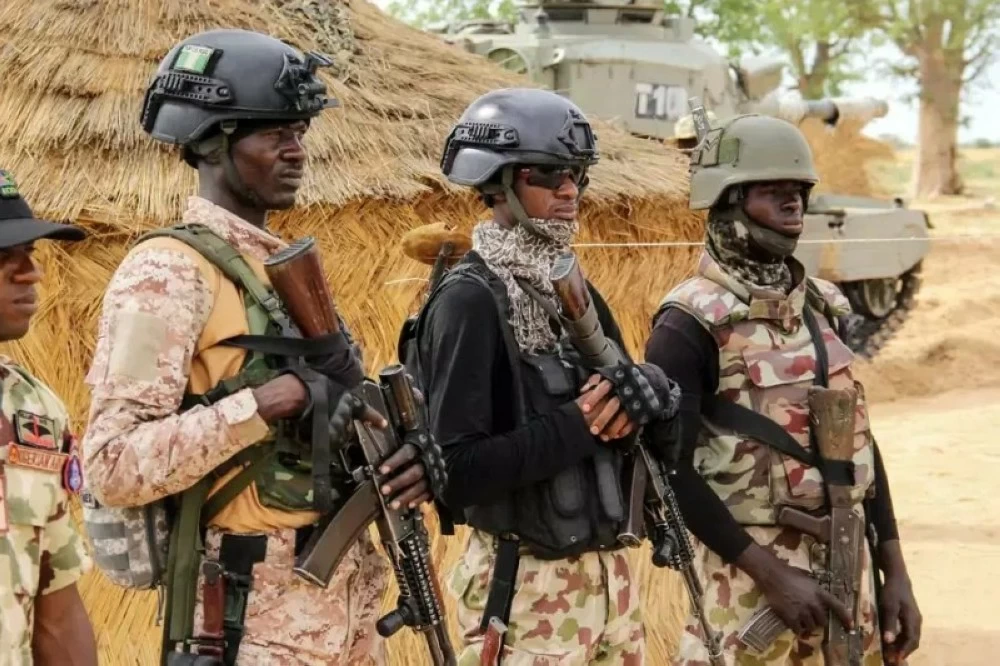
أعلنت الرئاسة النيجيرية استقالة وزير الدفاع محمد بدارو أبو بكر لأسباب صحية، مع فوري التأثير، في وقت تشهد فيه البلاد موجة عنف أمني أدت إلى خطف مئات الأشخاص، غالبيتهم أطفال في المدارس، وذلك في تطور يعكس الضغوط المتفاقمة على الحكومة النيجيرية.
وأصدرت الرئاسة بيانًا رسميًا عبر مستشار الرئيس للإعلام والإستراتيجية، بايو أونانوغا، أكد فيه قبول تينوبو الاستقالة، معبرًا عن شكره لأبو بكر على «خدماته المخلصة للوطن».
وأوضح البيان أن الرئيس سيعلم البرلمان بخليفة الوزير لاحقا هذا الأسبوع للمصادقة عليه، وذلك في سياق أزمة أمنية حادة، حيث أدت عمليات الخطف الأخيرة إلى إغلاق عشرات المدارس في الشمال، مما أثار مخاوف من انهيار النظام التعليمي في المناطق الريفية.
طوارئ أمنية وطنية في نيجيريا
وجاء إعلان الرئاسة النيجيرية بعد أيام قليلة من إعلان الرئيس بولا تينوبو حالة طوارئ أمنية وطنية، مطالبًا بتوظيف عشرات الآلاف من الشرطيين الجدد لمواجهة الجماعات المسلحة التي تتاجر بالخطف كصناعة ربحية، ووصفه الوضع بأنه «طوارئ وطنية».
وتعاني نيجيريا، أكبر دولة في أفريقيا من حيث عدد السكان أكثر من 220 مليون نسمة، من أزمة أمنية مزمنة تعود جذورها إلى أكثر من عقد، حيث أصبح الخطف الجماعي أداة رئيسية للجماعات المسلحة مثل بوكو حرام وفروعها الإرهابية، بالإضافة إلى عصابات «اللصوص» في الشمال الغربي والوسط.
بدأت الكارثة الشهيرة بخطف 276 فتاة من مدينة تشيبوك في ولاية بورنو عام 2014 على يد بوكو حرام، مما أثار غضبًا دوليًا وأدى إلى حملة لكنها لم توقف النزيف، ومنذ ذلك الحين، سُجلت آلاف الحالات، معظمها في الشمال حيث يسيطر الفقر والضعف الحكومي على المناطق الريفية، وأدت إلى هجرة داخلية وانهيار الاقتصاد المحلي.
سيناريو الخطف المرعب
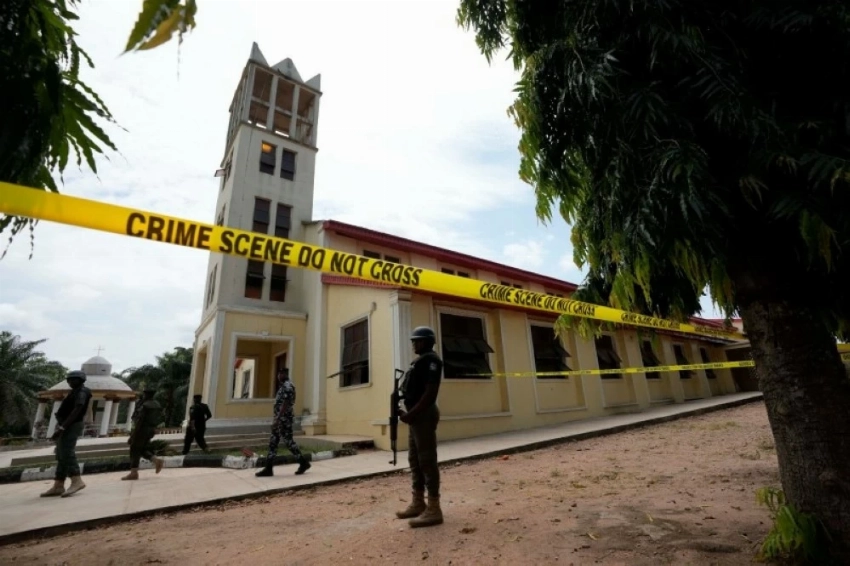
وفي 17 نوفمبر الماضي، بلغ الوضع ذروته حيث خطف مسلحون 24 فتاة مسلمة في مدرسة بولاية كيبي، أُنقذن لاحقًا جزئيًا، ثم في 20 نوفمبر، هاجم مسلحون كنيسة في ولاية كوارا، وقتلوا اثنين وخطفوا 38 أُطلق سراحهم بعد أيام، لكن الفاجعة الأكبر كانت بعدها بأيام حيث خطف مسلحون 303 طلاب و12 معلمًا من مدرسة القديسة ماري الكاثوليكية في بابيري بولاية نايجر، في أكبر عملية خطف منذ سنوات.
وردًا على ذلك، أعلن تينوبو في 26 نوفمبر حالة الطوارئ الأمنية الوطنية، مطالبًا بتوظيف 20,000 شرطي جديد لرفع العدد إلى 50,000، وإعادة نشر 100,000 شرطي من حراسة السياسيين إلى المناطق الساخنة، واستخدام معسكرات الشباب الوطني كمراكز تدريب.
The Nigerian presidency announced the resignation of Defense Minister Mohammed Badaru Abubakar for health reasons, effective immediately, at a time when the country is experiencing a wave of security violence that has led to the kidnapping of hundreds of people, mostly children in schools, reflecting the mounting pressures on the Nigerian government.
The presidency issued an official statement through the president's media and strategy advisor, Bayo Onanuga, confirming that Tinubu accepted the resignation, expressing gratitude to Abubakar for his "dedicated services to the nation."
The statement clarified that the president will inform Parliament of the minister's successor later this week for ratification, in the context of a severe security crisis, as recent kidnapping incidents have led to the closure of dozens of schools in the north, raising fears of a collapse of the educational system in rural areas.
National Security Emergency in Nigeria
The announcement from the Nigerian presidency came just a few days after President Bola Tinubu declared a national security emergency, calling for the recruitment of tens of thousands of new police officers to confront armed groups that trade in kidnapping as a profitable industry, describing the situation as a "national emergency."
Nigeria, the most populous country in Africa with over 220 million people, has been suffering from a chronic security crisis rooted in more than a decade, where mass kidnapping has become a key tool for armed groups like Boko Haram and its terrorist affiliates, in addition to "bandit" gangs in the northwest and central regions.
The infamous disaster began with the kidnapping of 276 girls from the town of Chibok in Borno State in 2014 by Boko Haram, which sparked international outrage and led to a campaign that did not stop the bleeding. Since then, thousands of cases have been recorded, mostly in the north where poverty and government weakness dominate rural areas, leading to internal migration and the collapse of the local economy.
The Terrifying Kidnapping Scenario
On November 17, the situation peaked when armed men kidnapped 24 Muslim girls from a school in Kebbi State, who were later partially rescued. Then, on November 20, armed men attacked a church in Kwara State, killing two and kidnapping 38, who were released days later. However, the greatest tragedy occurred days later when armed men kidnapped 303 students and 12 teachers from St. Mary's Catholic School in Baberi, Niger State, in the largest kidnapping operation in years.
In response, Tinubu declared a national security emergency on November 26, calling for the recruitment of 20,000 new police officers to raise the total to 50,000, redeploying 100,000 police officers from guarding politicians to hot spots, and using national youth camps as training centers.