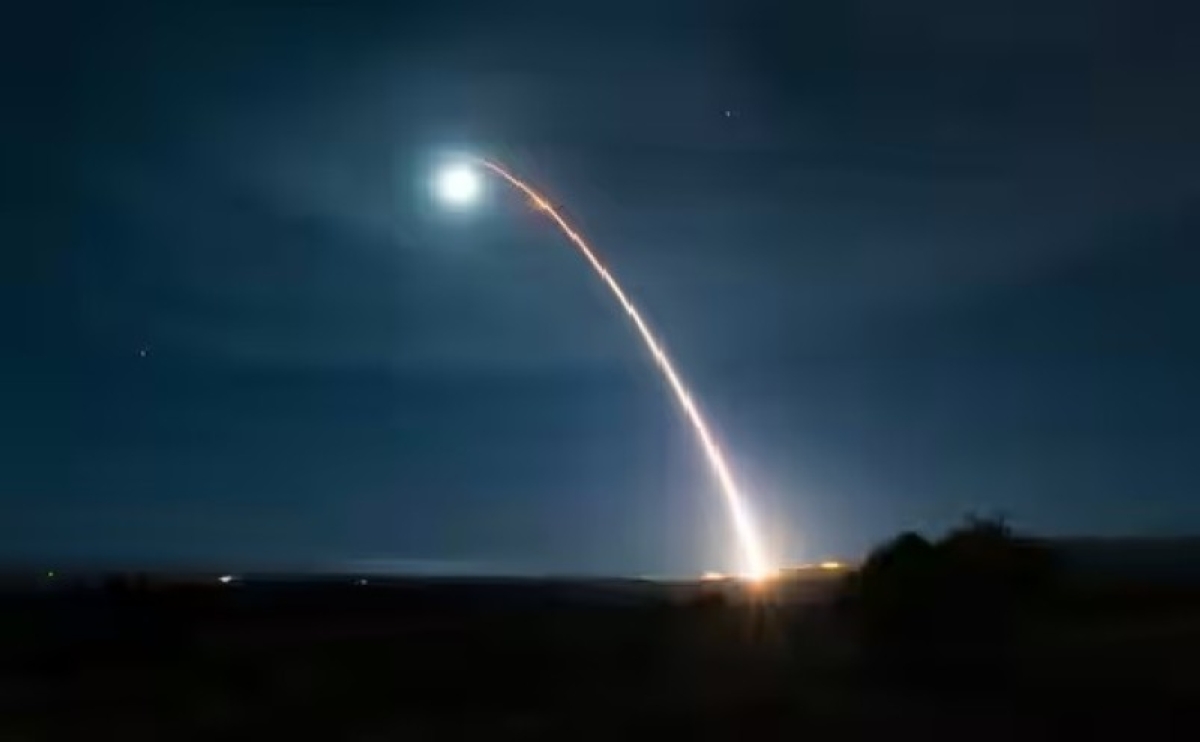
في خطوة غير مسبوقة منذ أكثر من ثلاثة عقود، أعلن الرئيس الأمريكي دونالد ترمب صباح اليوم (الخميس) توجيه وزارة الدفاع لبدء اختبارات الأسلحة النووية، في محاولة لتعزيز ما وصفه بـ«التوازن العسكري» مع روسيا والصين. وجاء هذا الإعلان في وقت لم تُجرِ فيه أي من الدول الثلاث تجارب نووية حية منذ التسعينيات، مما يضع الولايات المتحدة أمام قرار أثار جدلاً واسعًا على الساحة الدولية. وقد أدان الكرملين هذه الخطوة، مؤكداً أنها تزيد من التوتر العالمي وتخاطر بالتصعيد العسكري.
تاريخيًا، أجرت الولايات المتحدة آخر اختبار نووي لها في عام 1992، بينما أوقفت روسيا والصين تجاربها في أوائل التسعينيات أيضًا، مما أدى إلى فترة طويلة من التوقف عن التجارب النووية الحية. وكانت هذه الاختبارات تشمل عادةً انفجارات على نطاق واسع بهدف تقييم قوة الأسلحة النووية ومدى فاعليتها، وقد تركت خلفها آثارًا بيئية واجتماعية كبيرة في المناطق التي أجريت فيها، مثل جزيرة بيكيني في جزر مارشال.
في الوقت ذاته، منح ترمب كوريا الجنوبية الحق في بناء غواصة نووية، ما يمنح البلاد إمكانية الوصول إلى تكنولوجيا عسكرية متقدمة لا تمتلكها سوى قلة من الدول حول العالم. جاء الإعلان بعد أيام من توقيع الولايات المتحدة وكوريا الجنوبية على اتفاق تجاري ضخم بقيمة 350 مليار دولار، ما يعكس تلاقي المصالح الاقتصادية مع تعزيز القدرات الدفاعية لكوريا الجنوبية.
وأثارت الخطوتان ردود فعل متباينة داخل الأوساط السياسية والدولية، حيث انتقد محللون القرار الأمريكي بوصفه تصعيديًا وخطيرًا على استقرار المنطقة، بينما يرى آخرون أنه رسالة حازمة للخصوم الدوليين بشأن قوة الولايات المتحدة العسكرية. ويراقب العالم الآن تأثير هذه القرارات على سباق التسلح النووي في آسيا والمحيط الهادئ وعلى العلاقة مع روسيا والصين.
In an unprecedented move in over three decades, U.S. President Donald Trump announced this morning (Thursday) that he has directed the Department of Defense to begin nuclear weapons testing, in an attempt to bolster what he described as "military balance" with Russia and China. This announcement comes at a time when none of the three countries have conducted live nuclear tests since the 1990s, placing the United States in a position of making a decision that has sparked widespread debate on the international stage. The Kremlin condemned this step, asserting that it increases global tension and risks military escalation.
Historically, the United States conducted its last nuclear test in 1992, while Russia and China also halted their tests in the early 1990s, leading to a long period of cessation of live nuclear testing. These tests typically involved large-scale explosions aimed at assessing the power and effectiveness of nuclear weapons, leaving significant environmental and social impacts in the areas where they were conducted, such as Bikini Atoll in the Marshall Islands.
At the same time, Trump granted South Korea the right to build a nuclear submarine, providing the country access to advanced military technology that is possessed by only a few nations around the world. The announcement came just days after the United States and South Korea signed a massive trade agreement worth $350 billion, reflecting a convergence of economic interests alongside the enhancement of South Korea's defense capabilities.
Both moves have elicited mixed reactions within political and international circles, with analysts criticizing the U.S. decision as escalatory and dangerous to regional stability, while others view it as a firm message to international adversaries regarding the military strength of the United States. The world is now watching the impact of these decisions on the nuclear arms race in Asia and the Pacific and on relations with Russia and China.