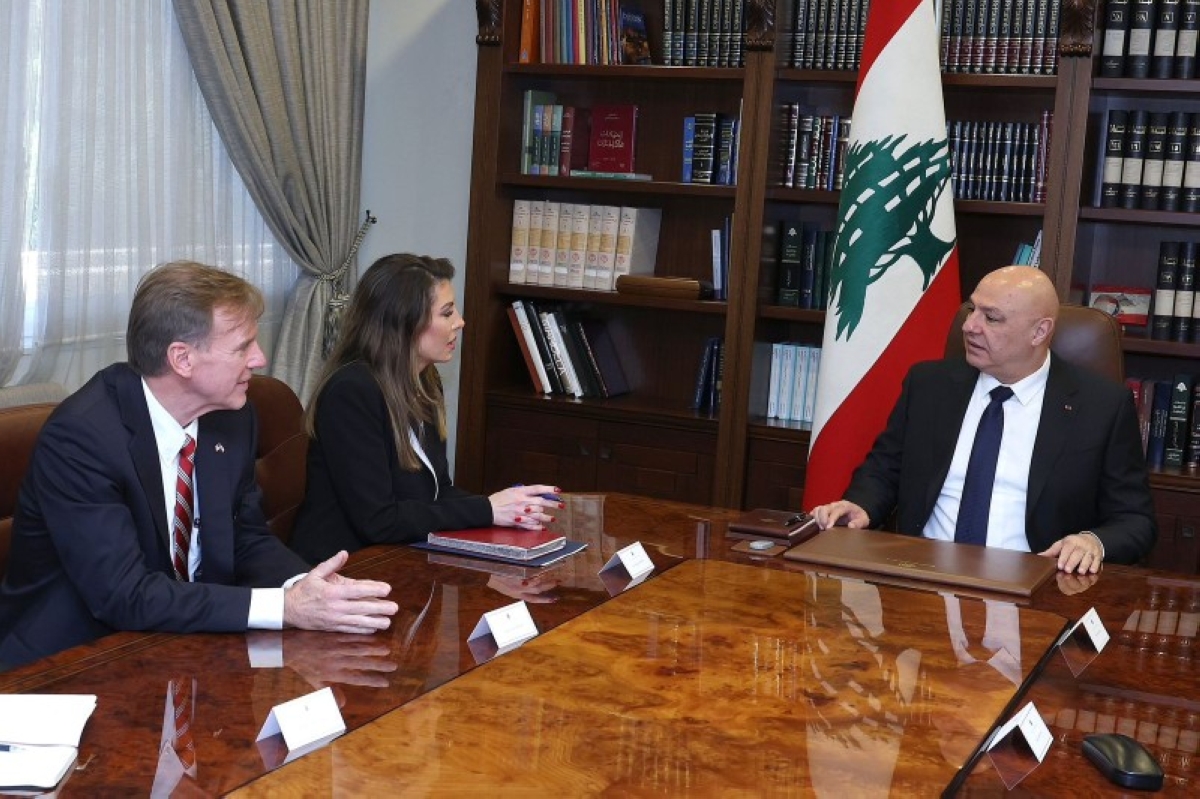
في تحول لافت عن نمط زياراتها السابقة، دخلت المبعوثة الأمريكية مورغان أورتاغوس إلى الدائرة السياسية اللبنانية، اليوم (الثلاثاء) من الباب الخلفي: «لا تصريح، لا مؤتمر صحفياً، ولا تواجد إعلامياً يشهده الرأي العام».
هذا التحول في شكل الزيارة لم يكن جزافياً، بل يحمل مؤشرات على تعديل في استراتيجية الرسالة التي تحملها واشنطن إلى بيروت.
في التفاصيل، بدأت جولتها بلقاء خاص مع رئيس مجلس النواب نبيه بري، تناول وفقاً للمعلومات المسربة، المباحثات السياسية الدقيقة حيث كان محور النقاش مسألتين: أولاً، صيغة المفاوضات بين لبنان وإسرائيل التي تفضلها الولايات المتحدة، مفاوضات مباشرة، لكنها لم تستبعد المفاوضات غير المباشرة (عبر لجنة الميكانيزم)، شرط أن تتسع لتشمل شخصيات مدنية، وهو المخرج الذي يبدو أنه سيعطى أولوية للنقاش في الساعات القادمة.
وثانياً، ملف حصر السلاح، وتحديداً ما ذُكر بأن رئيس الوزراء الإسرائيلي بنيامين نتنياهو أبلغها أن «حزب الله» نقل مئات الصواريخ قصيرة المدى من سورية إلى لبنان، وأودعها في مخازن داخل البلاد.
بعد ذلك، زارت أورتاغوس رئيسي الجمهورية جوزيف عون والحكومة نواف سلام، بنفس النهج. الاجتماعات كانت مغلقة، دون بث أو تغطية، ما يشي بأنها أرادت أن تضمن خصوصية المسار.
هذا الأسلوب الجديد يكشف عن رغبة أمريكية في توجيه رسائل مباشرة إلى النخبة السياسية، بعيداً عن تفاعل الشارع أو التدقيق الإعلامي الفوري. ولئن اختارت أورتاغوس أن تُغلق الستائر على الكواليس، فإن مدى انكشافها سيكون في النتائج التي ستلي تلك اللقاءات السرية، على الأرض وفي مفاصل القرار اللبناني.
يذكر أنه في سياق الرسائل التي تتوالى على لبنان، التقى الرئيس جوزيف عون رئيس جهاز الاستخبارات المصري اللواء حسن رشاد والوفد الأمني المرافق في قصر بعبدا، والذي غادر دون الإدلاء بأي تصريح.
In a striking departure from her previous visit patterns, U.S. envoy Morgan Ortagus entered the Lebanese political sphere today (Tuesday) through the back door: "No statement, no press conference, and no media presence witnessed by public opinion."
This shift in the nature of the visit was not arbitrary; it carries indications of a modification in the strategy of the message that Washington is conveying to Beirut.
In detail, she began her tour with a private meeting with Speaker of the House Nabih Berri, which, according to leaked information, addressed delicate political discussions focusing on two main issues: First, the format of negotiations between Lebanon and Israel preferred by the United States, which is direct negotiations, although indirect negotiations (through a mechanism committee) were not ruled out, provided they expand to include civilian figures, a solution that seems to be prioritized for discussion in the coming hours.
Secondly, the issue of weapon control, specifically what was mentioned that Israeli Prime Minister Benjamin Netanyahu informed her that "Hezbollah" had transferred hundreds of short-range missiles from Syria to Lebanon and stored them in warehouses within the country.
After that, Ortagus visited President Joseph Aoun and Prime Minister Nawaf Salam, following the same approach. The meetings were closed, without broadcasting or coverage, suggesting that she wanted to ensure the privacy of the process.
This new method reveals a U.S. desire to send direct messages to the political elite, away from public interaction or immediate media scrutiny. While Ortagus chose to draw the curtains on the behind-the-scenes, the extent of its exposure will be in the results that will follow those secret meetings, on the ground and in the key decision-making points in Lebanon.
It is noteworthy that in the context of the messages flowing to Lebanon, President Joseph Aoun met with the head of the Egyptian intelligence service, Major General Hassan Rashad, and the accompanying security delegation at Baabda Palace, which left without making any statements.