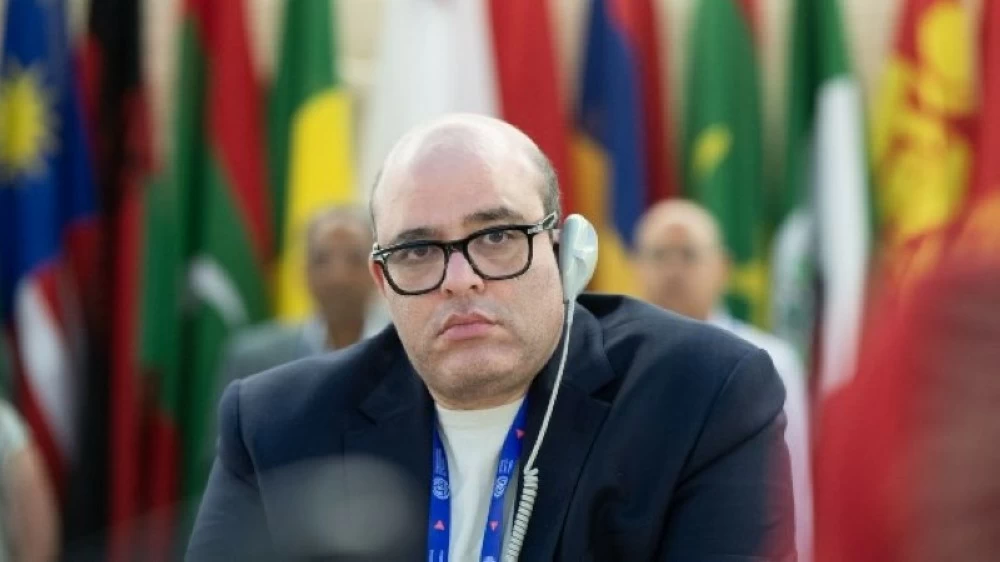
قال ممثل الاتحاد العالمي للتوظيف في مصر محمد الدروي، إن الاتحاد يشارك في النسخة الثالثة للمؤتمر الدولي لسوق العمل بالمملكة العربية السعودية، للتأكيد على الدور المحوري الذي يلعبه الاتحاد كصوت لقطاع خدمات التوظيف الخاص في مصر، وحرصاً على تعميق أطر التعاون عبر الحدود لبناء سوق عمل مرن وشامل ومستعد للمستقبل في منطقة الشرق الأوسط، مؤكداً ضرورة تعزيز التعاون الإقليمي ومواكبة التحولات المتسارعة في ديناميكيات القوى العاملة.
وأضاف الدروي – في تصريحات على هامش مشاركته بالمؤتمر – أن «العلاقة بين سوق العمل المصري والسعودي ليست مجرد علاقة تاريخية فحسب، بل هي ركيزة أساسية لنجاحنا الاقتصادي المشترك»، لافتاً إلى أن «رؤية المملكة 2030 أحدثت تحولاً هائلاً في احتياجات التوظيف، متجهة نحو الأدوار المتخصصة وعالية المهارة. وتمتلك مصر، بما لديها من رأس مال بشري واسع وموهوب، موقعاً فريداً لدعم هذا التحول».
التحول الهيكلي
وبيّن أن سوق العمل السعودي يشهد تحولاً هيكلياً متسارعاً مدفوعاً بتوجهات رؤية 2030، التي أعادت صياغة العلاقة بين التوظيف، والسياحة، والاستثمار، فقد أصبحت السياحة محركاً رئيسياً لخلق فرص العمل، لا سيما في الضيافة، والترفيه، وإدارة الوجهات، والخدمات اللوجستية، مع استقطاب استثمارات محلية وأجنبية نوعية.
وأكد أن السعودية تلعب دوراً محورياً في مواءمة مخرجات التعليم مع احتياجات السوق، ورفع مشاركة الكفاءات الوطنية في القطاعات الواعدة، دون الإخلال بجاذبية الاستثمار. كما أسهم تحسين بيئة الأعمال، وتحديث الأنظمة، وتبني الاقتصاد الرقمي في تعزيز الإنتاجية واستدامة التوظيف، مشيراً إلى أن النتيجة لهذا التحول هي سوق عمل أكثر مرونة وتنوعاً، يدعم النمو السياحي، ويعزز ثقة المستثمرين، ويُرسّخ مكانة السعودية كوجهة اقتصادية وسياحية عالمية.
وأوضح أن المشاركة في المؤتمر تهدف إلى الانتقال من نماذج تبادل العمالة التقليدية إلى «مواءمة المواهب الإستراتيجية»، إذ ستركز المناقشات على تنظيم تنقل العمالة، وتوحيد معايير اعتماد المهارات، وضمان جاهزية الكوادر المصرية لتلبية المتطلبات الناشئة للمشاريع العملاقة والاقتصاد المتنوع في المملكة.
وتابع: «سيشكل دور الاتحاد الدولي لخدمات التوظيف في تنظيم سوق العمل محوراً رئيسياً خلال الزيارة، وبصفته الهيئة الممثلة للقطاع، يدافع الاتحاد في مصر عن ممارسات التوظيف الأخلاقي، وحماية حقوق العمالة، والقضاء على ممارسات التوظيف العشوائية التي تضر باقتصادات الدول».
وأضاف: «حضورنا في GLMC هو التزام بـ«مأسسة» مشهد التوظيف من خلال تطبيق معايير عالمية للامتثال والأخلاقيات، نضمن أن تكون حركة المواهب بين بلدينا فعالة وعادلة»، مؤكداً أن خدمات التوظيف الخاصة هي شريك حيوي للحكومات في خفض معدلات البطالة وسد فجوات المهارات.
ونوّه إلى أن المؤتمر الدولي لسوق العمل (GLMC) رسخ مكانته كمنصة دولية رائدة لصناع السياسات وقادة الصناعة، مضيفاً: «مؤتمر GLMC ليس مجرد حدث عابر، بل هو «مختبر أفكار عالمي» تُصاغ فيه ملامح مستقبل العمل، ووجود مصر على هذه الطاولة يضمن بقاء سوقنا تنافسياً وسماع صوتنا في الحوار العالمي حول سياسات العمل».
ولفت إلى أنه تماشياً مع شعار «المستقبل قيد التشكل» والتحول التكنولوجي الذي يتبناه المؤتمر، سيسلط رئيس الاتحاد الضوء على الدور المزدوج للذكاء الاصطناعي في سوق العمل.
وأوضح قائلاً: «يجب أن نتوقف عن النظر إلى الذكاء الاصطناعي كمصدر للتهديد فقط، وأن نبدأ في استخدامه كأداة تمكين قوية في قطاع التوظيف، يُحدث الذكاء الاصطناعي ثورة في كيفية مطابقة المواهب مع الفرص، مما يتيح لنا التنبؤ بنقص العمالة وتحديد فجوات المهارات بدقة غير مسبوقة».
واختتم تصريحاته قائلاً: «ستركز نقاشاتنا في GLMC على نهج «التمحور حول الإنسان في الذكاء الاصطناعي»، لتعزيز الإنتاجية البشرية بدلاً من استبدالها، وضمان إعادة تأهيل قوانا العاملة».
The representative of the World Employment Federation in Egypt, Mohamed El-Darwy, stated that the federation is participating in the third edition of the International Labor Market Conference in the Kingdom of Saudi Arabia, to emphasize the pivotal role the federation plays as a voice for the private employment services sector in Egypt, and in order to deepen cross-border cooperation frameworks to build a flexible, inclusive, and future-ready labor market in the Middle East, stressing the necessity of enhancing regional cooperation and keeping pace with the rapid transformations in workforce dynamics.
El-Darwy added – in statements on the sidelines of his participation in the conference – that “the relationship between the Egyptian and Saudi labor markets is not just a historical relationship, but it is a fundamental pillar for our shared economic success,” pointing out that “Saudi Vision 2030 has brought about a tremendous shift in employment needs, moving towards specialized and high-skill roles. Egypt, with its vast and talented human capital, has a unique position to support this transformation.”
Structural Transformation
He indicated that the Saudi labor market is witnessing a rapid structural transformation driven by the trends of Vision 2030, which has reshaped the relationship between employment, tourism, and investment. Tourism has become a major driver for job creation, particularly in hospitality, entertainment, destination management, and logistics services, attracting quality local and foreign investments.
He emphasized that Saudi Arabia plays a pivotal role in aligning educational outputs with market needs and increasing the participation of national talents in promising sectors, without undermining investment attractiveness. The improvement of the business environment, modernization of regulations, and adoption of the digital economy have contributed to enhancing productivity and sustainability of employment, noting that the result of this transformation is a more flexible and diverse labor market that supports tourism growth, boosts investor confidence, and solidifies Saudi Arabia's position as a global economic and tourism destination.
He explained that participation in the conference aims to shift from traditional labor exchange models to “strategic talent alignment,” as discussions will focus on organizing labor mobility, standardizing skill accreditation criteria, and ensuring the readiness of Egyptian cadres to meet the emerging requirements of mega projects and the diversified economy in the Kingdom.
He continued: “The role of the International Federation of Employment Services in organizing the labor market will be a key focus during the visit, and as the representative body of the sector, the federation in Egypt advocates for ethical employment practices, protecting labor rights, and eliminating random employment practices that harm the economies of countries.”
He added: “Our presence at the GLMC is a commitment to ‘institutionalizing’ the employment landscape by applying global standards for compliance and ethics, ensuring that the movement of talent between our two countries is effective and fair,” stressing that private employment services are a vital partner for governments in reducing unemployment rates and closing skill gaps.
He noted that the International Labor Market Conference (GLMC) has established itself as a leading international platform for policymakers and industry leaders, adding: “The GLMC is not just a fleeting event, but a ‘global ideas laboratory’ where the features of the future of work are shaped, and Egypt's presence at this table ensures that our market remains competitive and our voice is heard in the global dialogue on labor policies.”
He pointed out that in line with the theme “the future is taking shape” and the technological transformation embraced by the conference, the federation president will highlight the dual role of artificial intelligence in the labor market.
He explained, saying: “We must stop viewing artificial intelligence solely as a source of threat and start using it as a powerful enabling tool in the employment sector. AI is revolutionizing how talent is matched with opportunities, allowing us to predict labor shortages and identify skill gaps with unprecedented accuracy.”
He concluded his statements by saying: “Our discussions at the GLMC will focus on a ‘human-centered approach to artificial intelligence’ to enhance human productivity rather than replace it, and to ensure the re-skilling of our workforce.”