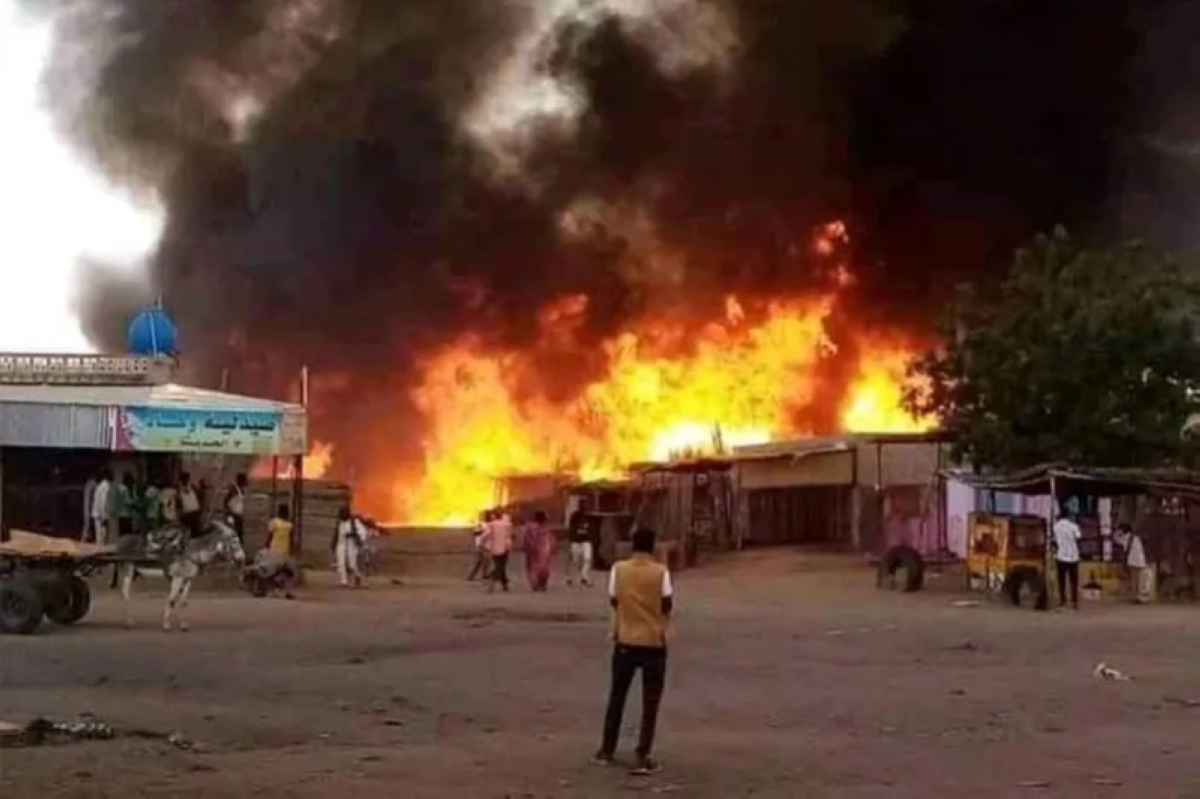
فيما أقر قائد الجيش السوداني عبدالفتاح البرهان بالانسحاب من مدينة الفاشر، مركز ولاية شمال دارفور غربي البلاد، صونا لأهلها، معلنا مغادرة الجيش للمدينة بعد أن تعرضت لتدمير وقتل ممنهج للمدنيين، أكد نائب رئيس مجلس السيادة الانتقالي، مالك عقار أن ما حدث للجيش في الفاشر يتطلب تماسك السودانيين.
وقال عقار في بيان اليوم (الثلاثاء)، إن ما جرى في الفاشر يدعونا للتفكير بمسؤولية في الوطن. وأضاف أن البلاد تمر بلحظة صعبة لكنها ليست النهاية. وتعهد للشعب السوداني ببذل كل الجهود من أجل تجاوز هذه المحنة، وفق تعبيره.
فظاعات وجرائم حرب
من جانبه، دان رئيس مفوضية الاتحاد الإفريقي محمود علي يوسف الفظاعات وجرائم الحرب في الفاشر. وأعرب في بيان على منصة إكس عن القلق البالغ حيال العنف المتصاعد والفظاعات التي تتحدث عنها تقارير من المدينة. وكرر إدانته لجرائم الحرب المفترضة وعمليات قتل المدنيين التي تستهدف جماعات عرقية.
وحذرت منظمة اليونيسف من أن حياة أكثر من 130 ألف طفل في الفاشر معرضة للخطر وسط عنف متصاعد ونقص في أساسيات الحياة.
وأعلنت قوات الدعم السريع الأحد الماضي سيطرتها على الفاشر، بعد حصار دام 18 شهراً، في وقت انتشرت مشاهد ومقاطع مصورة خلال الساعات الماضية، تظهر مسلحين يطلقون الرصاص الحي على مدنيين عزل أوقفوا بعد السيطرة على المدينة.
وبعد سقوط على الفاشر باتت أغلب مناطق إقليم دارفور في قبضة الدعم السريع، التي تعتبر معقلاً لهذه القوات التي شكلت فيه حكومة موازية. وكشفت مصادر من قوات الدعم السريع أن كبار قادة هذه القوات ومنهم قائدها محمد حمدان دقلو، المعروف باسم حميدتي، يقيمون في دارفور.
سيناريو ليبي يلوح
ووصف كبير مستشاري الرئيس الأمريكي للشؤون العربية والإفريقية مسعد بولس الوضع في الفاشر بأنه مقلق جداً إستراتيجياً وإنسانياً.
وحذر في مقابلة مع «العربية/الحدث»من سيناريو ليبي، يتعلق بانقسام السودان. واعتبر أن ما جرى في المدينة ليس مفاجئًا، بعد عامين من الحصار وسيطرة شبه كاملة لقوات الدعم السريع على الفاشر.
وحذر محللون من أن قوات الدعم السريع، قد تستغل هذا الزخم لمحاولة استعادة السيطرة على مناطق أخرى في السودان، معربين عن اعتقادهم بأنها لن تكتفي بذلك.
وقال مآلان بوزويل من مجموعة الأزمات الدولية: «لم نلحظ أي مؤشر على أن قيادة قوات الدعم السريع تكتفي بغرب السودان فقط، ويبدو أنهم مستمرون في تصعيد هذه الحرب».
فيما أكدت مصادر سودانية وشهود عيان أن مقاتلي الدعم السريع احتجزوا مدنيين فارين في بلدات وقرى مجاورة، منذ إعلان القوات سيطرتها على مقر الجيش في الفاشر.
إنشاء مخيمات للنازحين
وتحدث مصدران عسكريان أن قوات الدعم السريع وجهت المدنيين الفارين إلى البلدات المحيطة بالفاشر، في محاولة لإنشاء مخيمات للنازحين هناك. وقال شهود وصلوا إلى بلدة طويلة، الواقعة إلى الشرق من الفاشر وتسيطر عليها قوة محايدة، إنهم أُرسلوا إلى بلدة قرني القريبة سيرا على الأقدام، وإن مئات الأشخاص، بينهم نساء وأطفال، ما زالوا محتجزين لدى الدعم السريع هناك.
وحذرت منسقة الأمم المتحدة المقيمة للشؤون الإنسانية في السودان دينيس براون، من أن البالغين والأطفال الذين غادروا الفاشر عبر طرق غير آمنة يعانون من الجفاف وسوء التغذية وبعضهم مصاب جسديا وجميعهم مصابون بصدمات نفسية. وأكدت المنظمة الدولية للهجرة أن المعارك أدت إلى نزوح نحو 26 ألف شخص.
While the Sudanese army leader Abdel Fattah al-Burhan acknowledged the withdrawal from the city of El Fasher, the center of North Darfur state in the west of the country, to protect its residents, he announced the army's departure from the city after it had been subjected to destruction and systematic killing of civilians. The Deputy Chairman of the Transitional Sovereignty Council, Malik Agar, confirmed that what happened to the army in El Fasher requires the cohesion of the Sudanese people.
In a statement today (Tuesday), Agar said that what occurred in El Fasher calls for responsible thinking about the homeland. He added that the country is going through a difficult moment, but it is not the end. He pledged to the Sudanese people to make every effort to overcome this ordeal, as he put it.
Atrocities and War Crimes
For his part, the Chairperson of the African Union Commission, Mahmoud Ali Yusuf, condemned the atrocities and war crimes in El Fasher. He expressed deep concern in a statement on X platform regarding the escalating violence and the atrocities reported from the city. He reiterated his condemnation of the alleged war crimes and the killing of civilians targeting ethnic groups.
UNICEF warned that the lives of more than 130,000 children in El Fasher are at risk amid escalating violence and a lack of basic necessities.
Last Sunday, the Rapid Support Forces announced their control over El Fasher after an 18-month siege, while scenes and video clips emerged in recent hours showing armed men firing live ammunition at unarmed civilians who were stopped after the city was taken over.
After the fall of El Fasher, most areas of the Darfur region fell under the control of the Rapid Support Forces, which are considered a stronghold for these forces that have established a parallel government there. Sources from the Rapid Support Forces revealed that senior leaders of these forces, including their commander Mohamed Hamdan Dagalo, known as Hemeti, are residing in Darfur.
A Libyan Scenario Looms
The Senior Advisor to the U.S. President for Arab and African Affairs, Musaad Boulos, described the situation in El Fasher as very concerning both strategically and humanely.
In an interview with "Al Arabiya/Al Hadath," he warned of a Libyan scenario related to the division of Sudan. He considered that what happened in the city was not surprising after two years of siege and near-total control of the Rapid Support Forces over El Fasher.
Analysts warned that the Rapid Support Forces might exploit this momentum to attempt to regain control over other areas in Sudan, expressing their belief that they would not be satisfied with just that.
Maalan Bozwell from the International Crisis Group said, "We have not noticed any indication that the leadership of the Rapid Support Forces is content with just western Sudan, and it seems they are continuing to escalate this war."
Meanwhile, Sudanese sources and eyewitnesses confirmed that Rapid Support fighters have detained fleeing civilians in nearby towns and villages since the announcement of the forces' control over the army's headquarters in El Fasher.
Establishing Camps for Displaced Persons
Two military sources reported that the Rapid Support Forces directed fleeing civilians to the surrounding towns of El Fasher in an attempt to establish camps for displaced persons there. Witnesses who arrived in the town of Talaw, located east of El Fasher and controlled by a neutral force, stated that they were sent to the nearby town of Qurni on foot, and that hundreds of people, including women and children, are still being held by the Rapid Support Forces there.
The UN Resident Coordinator for Humanitarian Affairs in Sudan, Denise Brown, warned that adults and children who left El Fasher through unsafe routes are suffering from dehydration and malnutrition, with some physically injured and all suffering from psychological trauma. The International Organization for Migration confirmed that the fighting has led to the displacement of about 26,000 people.