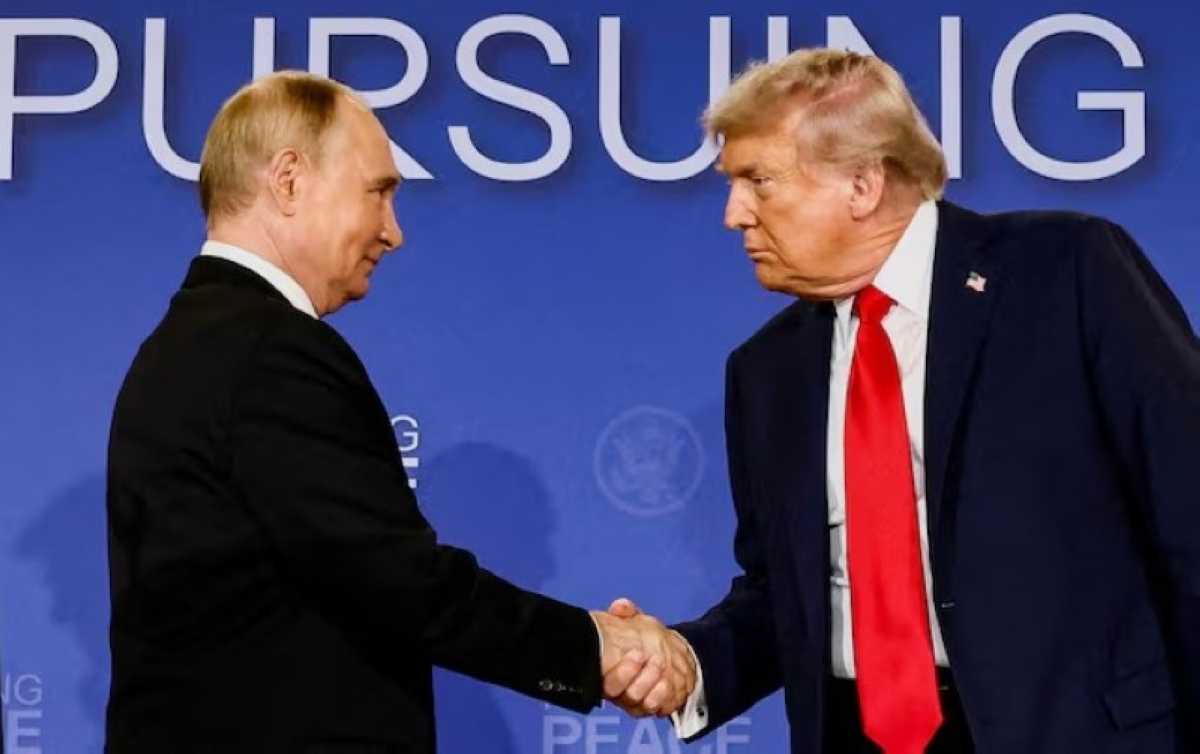
أكد المتحدث باسم الكرملين دميتري بيسكوف، اليوم (الأحد)، أن الحديث عن إلغاء قمة محتملة بين الرئيس الروسي فلاديمير بوتين والرئيس الأمريكي دونالد ترمب غير صحيح، مشددا على أن أي لقاء رئاسي يتطلب تحضيرا معقدا ومكثفا لضمان إنتاجية النتائج.
جاءت هذه التصريحات في مقابلة تلفزيونية مع مراسل الكرملين بافيل زاروبين، والتي نشرتها قناة «فيستي» الحكومية على قناتها في تيليغرام، في سياق تصاعد التوترات بين موسكو وواشنطن حول الحرب في أوكرانيا.
الرؤساء لا يلتقون لمجرد اللقاء
وأوضح بيسكوف أن «الرؤساء لا يلتقون لمجرد اللقاء، فهم لا يضيعون وقتهم عبثا، وهما صريحان في ذلك»، وأشار إلى أن بوتين وترمب أمرا بالفعل وزير الخارجية الروسي سيرغي لافروف ووزير الخارجية الأمريكي ماركو روبيو ببدء التحضيرات، لكن «العملية معقدة» وتستغرق وقتا.
هذا التصريح يأتي بعد أسابيع من الجدل حول موعد القمة، إذ أعلن ترمب في 17 أكتوبر أن اللقاء قد يحدث «خلال أسبوعين» في بودابست، لكنه تراجع لاحقا، معتبرا أن اللقاء «سيكون إهدارا للوقت» إذا لم يكن هناك تقدم حقيقي في وقف إطلاق النار في أوكرانيا.
وشهدت العلاقات الروسيّة-الأمريكية تطورات سريعة في 2025، إذ عقد بوتين وترمب قمة في ألاسكا في 15 أغسطس، كانت الأولى منذ 2018، لكنها لم تحقق اختراقا في الحرب الأوكرانية، أعقبتها مكالمة هاتفية في 16 أكتوبر، أدت إلى تعليمات للافروف وروبيو بإعداد اجتماع ثانٍ.
ومع ذلك، رفضت موسكو وقف إطلاق النار الفوري، مما أدى إلى تعليق القمة مؤقتا في 21 أكتوبر، فيما أعرب حلفاء أوكرانيا الأوروبيون (بريطانيا، فرنسا، ألمانيا) عن دعمهم لموقف ترمب، محذرين من أن أي لقاء دون تنازلات روسية «سيكون هبة للكرملين».
كما أكد الكرملين في 22 أكتوبر أن «التواريخ لم تُحدد بعد»، مع التركيز على التحضير الدقيق، وسط مخاوف من «أخبار كاذبة» في الإعلام الغربي.
رد بيسكوف على العقوبات
من جانبه، علّق بيسكوف أيضا على العقوبات الأمريكية الجديدة المفروضة في 22 أكتوبر على عملاقي النفط الروسيين لوك أويل (LKOH.MM) وروسنيفت (ROSN.MM)، واصفا إياها بـ«خطوة غير ودية» تضر بآفاق إحياء العلاقات الثنائية.
ومع ذلك، أكد أن روسيا «توجه نفسها نحو مصالحها»، وتسعى لبناء علاقات جيدة مع جميع الدول، بما في ذلك الولايات المتحدة، وقال: «بالطبع، الإجراءات التي اتُخذت هذا الأسبوع خطوة غير ودية، أضرت بآفاق إعادة إحياء علاقاتنا، لكن ذلك لا يعني التخلي عن طموحاتنا. يجب أن نفعل ما هو في مصلحتنا».
تفاصيل العقوبات
هذه العقوبات، الأولى من نوعها في الولاية الثانية لترمب، تستهدف قطاع الطاقة الروسي للضغط على موسكو للقبول بصفقة سلام في أوكرانيا، كما أعلنت وزارة الخزانة الأمريكية في 23 أكتوبر، تشمل حظر التعامل الأمريكي مع الشركتين، وتهديدا بعقوبات ثانوية على البنوك الأجنبية التي تتعامل معهما (مثل تلك في الصين والهند وتركيا).
روسنيفت (أكبر منتج نفط روسي) ولوك أويل (ثاني أكبر) تمثلان نصف صادرات النفط الروسيّة، وأدت العقوبات إلى ارتفاع أسعار النفط بنسبة 5% في 23 أكتوبر، مع تعليق شركات صينية وهندية مشترياتها مؤقتا. سبقتها عقوبات بريطانية في الأسبوع السابق، وأعلن الاتحاد الأوروبي الحزمة 19 في 24 أكتوبر التي تشمل حظر واردات الغاز الروسي.
The Kremlin spokesman Dmitry Peskov confirmed today (Sunday) that the talk of a potential summit cancellation between Russian President Vladimir Putin and U.S. President Donald Trump is incorrect, emphasizing that any presidential meeting requires complex and intensive preparation to ensure productive outcomes.
These statements came during a television interview with Kremlin correspondent Pavel Zarubin, which was published by the government channel "Vesti" on its Telegram channel, amid rising tensions between Moscow and Washington over the war in Ukraine.
Presidents Do Not Meet Just to Meet
Peskov explained that "presidents do not meet just to meet; they do not waste their time in vain, and they are clear about that." He noted that Putin and Trump have already instructed Russian Foreign Minister Sergey Lavrov and U.S. Secretary of State Marco Rubio to begin preparations, but "the process is complex" and takes time.
This statement comes after weeks of debate regarding the summit's timing, as Trump announced on October 17 that the meeting could happen "within two weeks" in Budapest, but later backtracked, considering that the meeting "would be a waste of time" if there was no real progress in achieving a ceasefire in Ukraine.
Russian-American relations have seen rapid developments in 2025, as Putin and Trump held a summit in Alaska on August 15, the first since 2018, but it did not achieve a breakthrough in the Ukrainian war, followed by a phone call on October 16 that led to instructions for Lavrov and Rubio to prepare for a second meeting.
However, Moscow rejected an immediate ceasefire, leading to the temporary suspension of the summit on October 21, while Ukraine's European allies (Britain, France, Germany) expressed their support for Trump's position, warning that any meeting without Russian concessions "would be a gift to the Kremlin."
The Kremlin also confirmed on October 22 that "the dates have not been set yet," focusing on careful preparation amid concerns about "fake news" in the Western media.
Peskov's Response to Sanctions
For his part, Peskov also commented on the new U.S. sanctions imposed on October 22 against the Russian oil giants Lukoil (LKOH.MM) and Rosneft (ROSN.MM), describing them as "an unfriendly step" that harms the prospects of reviving bilateral relations.
However, he affirmed that Russia "is directing itself towards its interests" and seeks to build good relations with all countries, including the United States, stating: "Of course, the actions taken this week are an unfriendly step that harmed our prospects for reviving our relations, but that does not mean abandoning our ambitions. We must do what is in our interest."
Details of the Sanctions
These sanctions, the first of their kind in Trump's second term, target the Russian energy sector to pressure Moscow to accept a peace deal in Ukraine, as announced by the U.S. Treasury on October 23. They include a ban on U.S. dealings with the two companies and a threat of secondary sanctions on foreign banks that deal with them (such as those in China, India, and Turkey).
Rosneft (the largest Russian oil producer) and Lukoil (the second largest) represent half of Russia's oil exports, and the sanctions led to a 5% rise in oil prices on October 23, with Chinese and Indian companies temporarily suspending their purchases. This was preceded by British sanctions the previous week, and the European Union announced package 19 on October 24, which includes a ban on Russian gas imports.