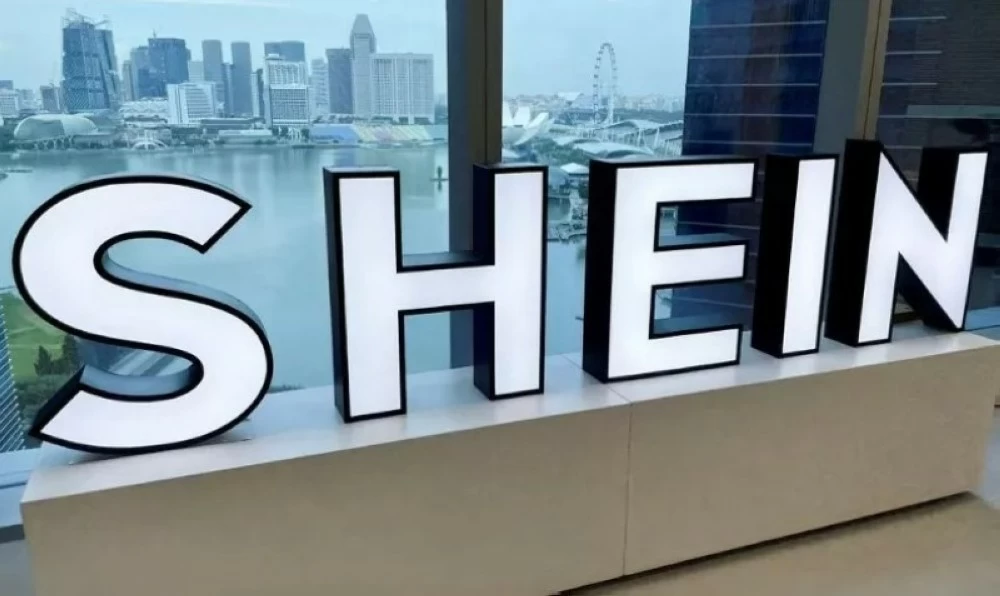
أعلن حاكم ولاية تكساس غريغ أبوت، اليوم (الثلاثاء)، توسيع قائمة «التكنولوجيا المحظورة» على الأجهزة والشبكات الحكومية في الولاية، بحيث يُمنع موظفو الولاية من استخدام منتجات وخدمات شركات صينية بارزة تشمل منصة التجارة الإلكترونية علي بابا، ومتجر الأزياء السريعة شي إن، وشركة معدات الشبكات تي بي-لينك، إلى جانب منصة تيمو، وشركة البطاريات CATL وغيرها.
وأوضح أبوت في بيان رسمي صادر عن مكتبه، أن القرار يهدف إلى «حماية خصوصية سكان تكساس» من مخاطر التجسس والتلاعب بالبيانات من قبل حكومة جمهورية الصين الشعبية والحزب الشيوعي الصيني، مشيراً إلى أن «الجهات الفاعلة الخبيثة عبر العالم لا يجب أن تتمكن من اختراق شبكات وأجهزة الولاية».
تنسيق مع الأمن السيبراني
ويسري الحظر على «الأجهزة المادية، والذكاء الاصطناعي، والبرمجيات» التابعة لهذه الشركات على الأجهزة والشبكات المملوكة للولاية، معلناً أنه تم تحديث القائمة بالتنسيق مع قيادة الأمن السيبراني في تكساس برئاسة نائب الأدميرال المتقاعد تي جيه وايت.
وأضيفت إلى القائمة 26 شركة وكياناً صينياً جديداً، من بينها شركات ذكاء اصطناعي مثل Baichuan وMiniMax وMoonshot AI، وشركات إلكترونيات استهلاكية مثل Xiaomi وHisense وTCL، إضافة إلى شركات أخرى في مجالات الليدار والمركبات الكهربائية.
تأتي هذه الخطوة ضمن سلسلة إجراءات اتخذها حاكم تكساس منذ سنوات لمواجهة المخاطر السيبرانية المرتبطة بالتكنولوجيا الصينية، حيث أصدر أبوت أمراً تنفيذياً في يناير 2025 يحظر استخدام تطبيقات الذكاء الاصطناعي والتواصل الاجتماعي التابعة للصين على الأجهزة الحكومية.
كما سبق أن حظر حاكم تكساس منصة TikTok على الأجهزة الحكومية في 2022-2023، ودعم تشريعات تمنع استثمارات صينية في البنية التحتية الحساسة.
وتعكس السياسة مخاوف أمنية أوسع في الولايات المتحدة بشأن جمع البيانات من قبل شركات صينية تخضع لالتزامات بالتعاون مع أجهزة الاستخبارات.
وأدت هذه المخاوف إلى حظر أو تقييد شركات مثل Huawei وZTE على المستوى الفيدرالي، وتوسع الآن إلى قطاعات استهلاكية مثل التجارة الإلكترونية والأجهزة المنزلية.
Texas Governor Greg Abbott announced today (Tuesday) the expansion of the "prohibited technology" list for devices and government networks in the state, prohibiting state employees from using products and services from prominent Chinese companies, including the e-commerce platform Alibaba, the fast fashion retailer Shein, the networking equipment company TP-Link, as well as the platform Temu, battery manufacturer CATL, and others.
Abbott explained in an official statement from his office that the decision aims to "protect the privacy of Texas residents" from the risks of espionage and data manipulation by the government of the People's Republic of China and the Chinese Communist Party, noting that "malicious actors around the world should not be able to penetrate the state's networks and devices."
Coordination with Cybersecurity
The ban applies to "hardware, artificial intelligence, and software" from these companies on state-owned devices and networks, announcing that the list has been updated in coordination with the leadership of cybersecurity in Texas, headed by retired Vice Admiral T.J. White.
Twenty-six new Chinese companies and entities have been added to the list, including AI companies like Baichuan, MiniMax, and Moonshot AI, consumer electronics companies like Xiaomi, Hisense, and TCL, as well as other companies in the fields of lidar and electric vehicles.
This move is part of a series of measures taken by the Texas governor over the years to address cybersecurity risks associated with Chinese technology, as Abbott issued an executive order in January 2025 banning the use of Chinese-owned artificial intelligence and social media applications on government devices.
Abbott had previously banned the TikTok platform on government devices in 2022-2023 and supported legislation to prevent Chinese investments in sensitive infrastructure.
The policy reflects broader security concerns in the United States regarding data collection by Chinese companies that are subject to obligations to cooperate with intelligence agencies.
These concerns have led to the banning or restriction of companies like Huawei and ZTE at the federal level, and are now expanding to consumer sectors such as e-commerce and household devices.