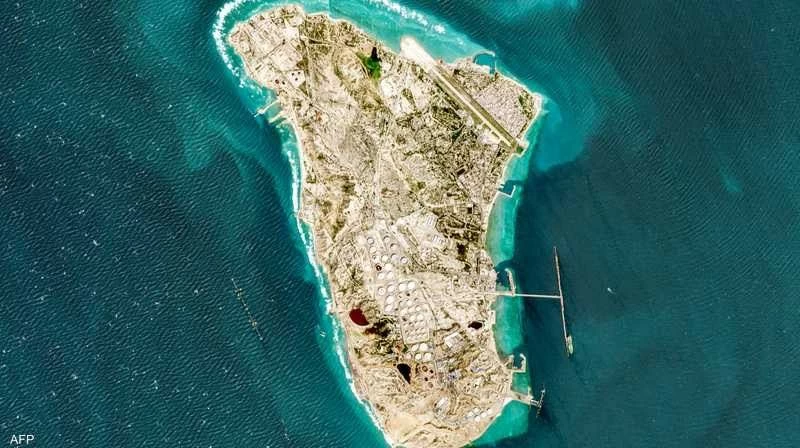
تصدرت جزيرة خرج الإيرانية محركات البحث العالمية، بعد إعلان الرئيس الأمريكي دونالد ترمب أن القيادة المركزية الأمريكية نفذت واحدة من «أقوى الغارات الجوية في تاريخ الشرق الأوسط» مستهدفة مواقع عسكرية في الجزيرة التي وصفها بأنها «جوهرة التاج الإيرانية».
وأكد ترمب أن الضربة نجحت في تدمير أهداف عسكرية داخل الجزيرة، في حين سارعت طهران إلى التقليل من آثار الهجوم، إذ ذكرت وكالة «فارس» الإيرانية أن الضربات لم تلحق أضراراً بالبنية التحتية النفطية.
وبين الروايتين الأمريكية والإيرانية، برز اسم جزيرة خرج مجدداً باعتبارها أحد أهم المواقع الاقتصادية والاستراتيجية في إيران، ما يطرح تساؤلات حول موقعها وأهميتها وتأثيرها المحتمل على مسار الحرب الأمريكية الإسرائيلية ضد طهران.
جزيرة صغيرة… بموقع استراتيجي
تقع جزيرة خرج في الركن الشمالي الشرقي من الخليج العربي قبالة مدينة بوشهر الإيرانية، على بعد نحو 25 إلى 55 كيلومتراً من الساحل الإيراني.
وهي جزيرة مرجانية يبلغ طولها نحو 8 كيلومترات ويقطنها ما يقارب 20 ألف نسمة، وتتبع إدارياً لمحافظة بوشهر.
وتضم الجزيرة مرفأً بحرياً ومطاراً وقاعدة عسكرية، إضافة إلى منشآت نفطية ضخمة وخزانات تخزين ومرافئ لشحن النفط، ما جعلها منذ عقود نقطة حيوية في البنية الاقتصادية الإيرانية.
كما تعرضت منشآتها النفطية خلال الحرب العراقية ـ الإيرانية في ثمانينيات القرن الماضي لقصف متكرر من سلاح الجو العراقي بسبب أهميتها الاستراتيجية.
شريان النفط الإيراني
تُعد خرج المنفذ النفطي الأهم لإيران، إذ تمر عبرها النسبة الأكبر من صادرات النفط الإيرانية إلى الأسواق العالمية.
وتشير تقديرات اقتصادية إلى أن نحو 90% من صادرات النفط الإيرانية تمر عبر الجزيرة، فيما تستقبل مرافقها يومياً ما بين 1.3 و1.6 مليون برميل من الخام، مع قدرة تحميل تصل إلى نحو 7 ملايين برميل يومياً وفق تقديرات موسوعة «بريتانيكا».
وتعد الجزيرة نقطة النهاية لخطوط الأنابيب القادمة من الحقول النفطية في وسط إيران وغربها، حيث يتم تجميع الخام ومعالجته وتخزينه قبل تحميله على الناقلات المتجهة إلى الأسواق العالمية.
ووفق تقارير مالية، رفعت إيران حجم تدفقات النفط عبر الجزيرة إلى نحو 3 ملايين برميل يومياً في فبراير الماضي تحسباً لأي هجوم محتمل، مع وجود احتياطي إضافي يقدر بنحو 18 مليون برميل مخزنة في منشآتها.
لماذا تثير الجزيرة اهتمام واشنطن؟
داخل واشنطن، طُرحت أفكار خلال الأشهر الماضية تتعلق بالسيطرة العسكرية على جزيرة خرج أو تعطيل منشآتها النفطية.
ونقل موقع «أكسيوس» أن مسؤولين أمريكيين درسوا بالفعل هذا السيناريو، باعتباره وسيلة محتملة لشل الاقتصاد الإيراني.
كما أشار مايكل روبين، المستشار السابق في البنتاغون لشؤون إيران والعراق، إلى أن حرمان طهران من تصدير النفط عبر خرج قد يضعف قدرتها على تمويل الدولة ودفع رواتب موظفيها.
ويرى محللون أن ضرب الجزيرة قد يشكل ضربة قاسية لأي حكومة إيرانية، لأن إصلاح منشآتها النفطية المعقدة قد يستغرق سنوات.
خطر اقتصادي عالمي
لكن في المقابل، يحذر خبراء الطاقة من أن استهداف الجزيرة أو السيطرة عليها عسكرياً قد لا ينعكس على إيران فقط، بل قد يهز أسواق الطاقة العالمية.
فأي تعطيل طويل الأمد لمنشآت خرج قد يؤدي إلى ارتفاع حاد ومستمر في أسعار النفط، خصوصاً في ظل التوتر المتصاعد في الخليج ومضيق هرمز، أحد أهم ممرات الطاقة في العالم.
وتشير تقارير إعلامية إلى أن الجزيرة صدّرت نحو 13.7 مليون برميل نفط منذ اندلاع الحرب الأخيرة على إيران في 28 فبراير الماضي، بينما أظهرت صور الأقمار الصناعية استمرار عمليات تحميل الناقلات رغم التوترات العسكرية.
«جوهرة التاج» في قلب الصراع
لهذه الأسباب، لا تُعد جزيرة خرج مجرد جزيرة صغيرة في الخليج، بل العقدة المركزية في منظومة النفط الإيراني، والشريان المالي الذي تعتمد عليه طهران في تمويل اقتصادها.
ولهذا أيضاً، فإن أي ضربة عسكرية تستهدفها لا تُقرأ فقط كعملية تكتيكية، بل كرسالة استراتيجية قد تؤثر في موازين الحرب، وفي أسواق الطاقة العالمية في آنٍ واحد.
The Iranian island of Kharg topped global search engines after U.S. President Donald Trump announced that the U.S. Central Command carried out one of the "strongest airstrikes in the history of the Middle East," targeting military sites on the island, which he described as the "jewel of the Iranian crown."
Trump confirmed that the strike successfully destroyed military targets within the island, while Tehran rushed to downplay the impact of the attack, with the Iranian news agency "Fars" reporting that the strikes did not damage the oil infrastructure.
Between the American and Iranian narratives, the name of Kharg Island emerged again as one of the most important economic and strategic sites in Iran, raising questions about its location, significance, and potential impact on the course of the American-Israeli war against Tehran.
A small island... with a strategic location
Kharg Island is located in the northeastern corner of the Arabian Gulf, off the Iranian city of Bushehr, approximately 25 to 55 kilometers from the Iranian coast.
It is a coral island about 8 kilometers long, home to nearly 20,000 residents, and administratively belongs to Bushehr Province.
The island includes a seaport, an airport, and a military base, in addition to massive oil facilities, storage tanks, and oil shipping ports, making it a vital point in the Iranian economic infrastructure for decades.
Its oil facilities were repeatedly bombed during the Iran-Iraq War in the 1980s due to their strategic importance.
The Iranian oil artery
Kharg is considered Iran's most important oil outlet, as the majority of Iranian oil exports to global markets pass through it.
Economic estimates indicate that about 90% of Iranian oil exports pass through the island, while its facilities receive between 1.3 and 1.6 million barrels of crude daily, with a loading capacity of about 7 million barrels per day according to estimates from the "Encyclopedia Britannica."
The island serves as the endpoint for pipelines coming from oil fields in central and western Iran, where crude is collected, processed, and stored before being loaded onto tankers heading to global markets.
According to financial reports, Iran increased oil flows through the island to about 3 million barrels per day last February in anticipation of any potential attack, with an additional reserve estimated at around 18 million barrels stored in its facilities.
Why is the island of interest to Washington?
Within Washington, ideas have been proposed in recent months regarding military control over Kharg Island or disrupting its oil facilities.
The "Axios" website reported that U.S. officials have already considered this scenario as a potential means to cripple the Iranian economy.
Michael Rubin, a former Pentagon advisor on Iran and Iraq, noted that depriving Tehran of exporting oil through Kharg could weaken its ability to fund the state and pay its employees' salaries.
Analysts believe that striking the island could deal a severe blow to any Iranian government, as repairing its complex oil facilities could take years.
A global economic threat
However, energy experts warn that targeting the island or militarily controlling it may not only affect Iran but could also shake global energy markets.
Any long-term disruption to Kharg's facilities could lead to a sharp and sustained increase in oil prices, especially amid rising tensions in the Gulf and the Strait of Hormuz, one of the world's most important energy corridors.
Media reports indicate that the island exported about 13.7 million barrels of oil since the outbreak of the recent war on Iran on February 28, while satellite images showed that loading operations continued despite military tensions.
"The jewel of the crown" at the heart of the conflict
For these reasons, Kharg Island is not just a small island in the Gulf, but the central node in the Iranian oil system and the financial artery upon which Tehran relies to fund its economy.
Thus, any military strike targeting it is not only viewed as a tactical operation but also as a strategic message that could impact the balance of war and global energy markets simultaneously.