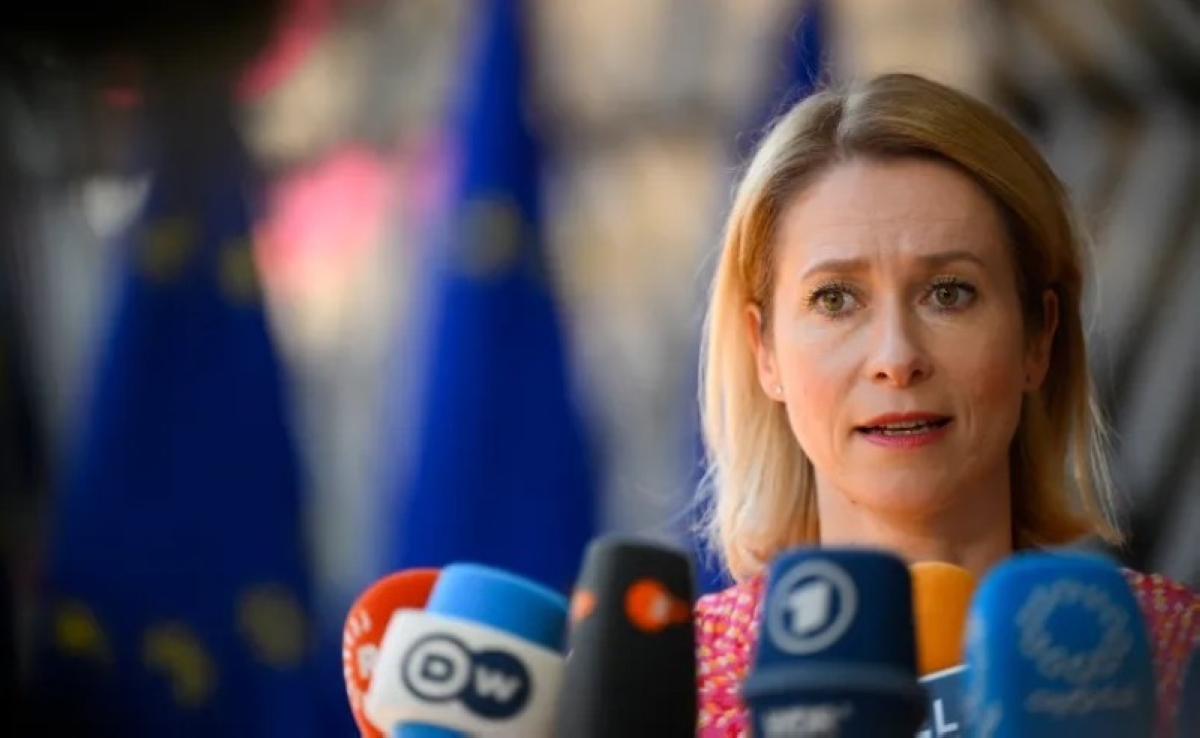
أعلنت كايا كالاس، مسؤولة السياسة الخارجية في الاتحاد الأوروبي، تعليق الجهود لفرض عقوبات على الحكومة الإسرائيلية وتعليق التجارة التفضيلية معها، وذلك بعد اجتماع مع وزراء خارجية الاتحاد الأوروبي، مساء أمس (الإثنين).
تهديد جهود ترمب
جاء هذا القرار وسط تهديدات بانهيار وقف إطلاق النار في الشرق الأوسط، تزامنًا مع جهود الرئيس الأمريكي دونالد ترمب لتحقيق السلام.
وأشارت كالاس إلى أن السياق تغير منذ اقتراح العقوبات الشهر الماضي، مؤكدة أن الاتحاد لن يتقدم بالعقوبات الآن، لكنه سيبقيها مطروحة نظرًا لهشاشة الوضع.
انتقادات لقرار الاتحاد الأوروبي
وبحسب صحيفة «الغارديان»، أثار قرار الاتحاد الأوروبي انتقادات كبيرة، حيث انتقد مسؤولون أوروبيون سابقون قرار تعليق العقوبات، وقال سفين كون فون بورغسدورف، الممثل الأوروبي السابق للأراضي الفلسطينية، إن كالاس أغفلت أهمية المساءلة القانونية، مشيرًا إلى أن العقوبات ليست مجرد أداة لتغيير سلوك الطرف الآخر، بل جزء من أدوات الاتحاد الأوروبي للتصدي لانتهاكات القانون الدولي.
طفل ينظر إلى مبانٍ دُمرت جراء غارة إسرائيلية في قطاع غزة.
وكان الاتحاد الأوروبي قد خلص في يونيو 2025 إلى أن إسرائيل انتهكت التزاماتها بحقوق الإنسان بموجب اتفاقية الشراكة، التي تنظم التجارة والتعاون بين الطرفين، كما أن الاتحاد ملزم بضمان الامتثال لرأي غير ملزم من محكمة العدل الدولية في 2024، يطالب إسرائيل بإنهاء احتلالها للأراضي الفلسطينية.
كما وقّع بورغسدورف بيانًا مع 414 دبلوماسيًا ومسؤولًا سابقًا، يدعو الاتحاد إلى اتخاذ إجراءات صلبة ضد «المتطرفين من الجانبين» الذين يعرقلون إقامة دولة فلسطينية.
ورحّب البيان بخطة ترمب، لكنه أشار إلى أنها تتناول قضية تقرير المصير الفلسطيني بشكل «غامض».
بدورها، حذرت ناتالي توتشي، مستشارة سابقة لمسؤولي السياسة الخارجية الأوروبية، من أن التخلي عن العقوبات سيكون «أسوأ نتيجة ممكنة»، خصوصا في ظل عدم ضمان تنفيذ خطة ترمب، التي شهدت المرحلة الأولى منها تصعيدًا في العنف، مما دفع إلى جهود دبلوماسية لدعم الاتفاق.
الانقسام الأوروبي ودور الاتحاد
ويعاني الاتحاد الأوروبي من انقسامات عميقة بشأن الصراع الإسرائيلي الفلسطيني، حيث تدعم دول مثل إسبانيا وأيرلندا القضية الفلسطينية، بينما تُعتبر المجر وجمهورية التشيك من الحلفاء الوثيقين للحكومة القومية الإسرائيلية بقيادة بنيامين نتنياهو.
ومع تصاعد الاحتجاجات في دول الاتحاد ضد الخسائر البشرية في غزة، اقترحت المفوضية الأوروبية الشهر الماضي تعليق التجارة التفضيلية وفرض عقوبات على الأفراد الذين يساهمون في تأجيج الصراع.
ويرفض مسؤولو الاتحاد الاتهامات المتكررة بأن الاتحاد «يدفع وليس لاعبًا» في الشرق الأوسط، حيث يُعد أكبر مانح للفلسطينيين، مقدمًا 1.5 مليار يورو كمساعدات إنسانية منذ 7 أكتوبر.
كما يرى المسؤولون أن الاتحاد يجب أن يكون ممثلاً في «مجلس السلام» الذي اقترحه ترمب، مع مساهمة محتملة في إعادة إعمار غزة، التي تُقدر تكلفتها بنحو 70 مليار دولار.
دعوات لدور أكثر فاعلية
وفي سياق متصل، أكد بورغسدورف ضرورة أن يكون الاتحاد لاعبًا دبلوماسيًا نشطًا لسد «الثغرات» في خطة ترمب، خصوصا فيما يتعلق بالمستوطنات في الضفة الغربية وتعزيز مسار ذي مصداقية لحل الدولتين.
واقترح ضرورة وجود تفويض قوي من الأمم المتحدة لنشر قوات أمنية دولية في غزة، بقيادة مصر وبمشاركة محتملة من تركيا وإندونيسيا وأذربيجان.
من جانبه، قال كلاوديو فرانكافيلا من هيومن رايتس ووتش إن الحكومات الأوروبية لا تزال تحمي السلطات الإسرائيلية من المساءلة، مشيرًا إلى استمرار الانتهاكات في غزة والضفة الغربية، بما في ذلك «جرائم الفصل العنصري والتهجير القسري».
Kaia Kalas, the EU's foreign policy chief, announced the suspension of efforts to impose sanctions on the Israeli government and to suspend preferential trade with it, following a meeting with EU foreign ministers last night (Monday).
Threat to Trump's Efforts
This decision came amid threats of a collapse of the ceasefire in the Middle East, coinciding with U.S. President Donald Trump's efforts to achieve peace.
Kalas indicated that the context has changed since the proposal for sanctions last month, confirming that the EU will not proceed with sanctions now but will keep them on the table due to the fragility of the situation.
Criticism of the EU's Decision
According to The Guardian, the EU's decision has sparked significant criticism, as former European officials criticized the decision to suspend sanctions. Sven Kuhn von Burgsdorff, the former EU representative for the Palestinian territories, stated that Kalas overlooked the importance of legal accountability, noting that sanctions are not just a tool to change the behavior of the other party but part of the EU's tools to address violations of international law.
طفل ينظر إلى مبانٍ دُمرت جراء غارة إسرائيلية في قطاع غزة.
The EU concluded in June 2025 that Israel had violated its human rights commitments under the partnership agreement, which governs trade and cooperation between the two parties. The EU is also obligated to ensure compliance with a non-binding opinion from the International Court of Justice in 2024, which calls for Israel to end its occupation of Palestinian territories.
Burgsdorff also signed a statement with 414 diplomats and former officials, urging the EU to take strong action against "extremists on both sides" who hinder the establishment of a Palestinian state.
The statement welcomed Trump's plan but noted that it addresses the issue of Palestinian self-determination in a "vague" manner.
For her part, Nathalie Tocci, a former advisor to European foreign policy officials, warned that abandoning sanctions would be the "worst possible outcome," especially given the lack of guarantees for the implementation of Trump's plan, which saw an escalation of violence in its first phase, prompting diplomatic efforts to support the agreement.
European Division and the Role of the EU
The EU is suffering from deep divisions over the Israeli-Palestinian conflict, with countries like Spain and Ireland supporting the Palestinian cause, while Hungary and the Czech Republic are considered close allies of the Israeli nationalist government led by Benjamin Netanyahu.
As protests escalated in EU countries against the human losses in Gaza, the European Commission proposed last month to suspend preferential trade and impose sanctions on individuals contributing to escalating the conflict.
EU officials reject repeated accusations that the EU is "paying and not playing" in the Middle East, as it is the largest donor to the Palestinians, providing €1.5 billion in humanitarian aid since October 7.
Officials also believe that the EU should be represented in the "Peace Council" proposed by Trump, with a potential contribution to the reconstruction of Gaza, which is estimated to cost around $70 billion.
Calls for a More Effective Role
In this context, Burgsdorff emphasized the need for the EU to be an active diplomatic player to fill the "gaps" in Trump's plan, especially regarding settlements in the West Bank and to promote a credible path for a two-state solution.
He suggested the necessity of a strong UN mandate to deploy international security forces in Gaza, led by Egypt with potential participation from Turkey, Indonesia, and Azerbaijan.
For his part, Claudio Francavilla from Human Rights Watch stated that European governments continue to protect Israeli authorities from accountability, pointing to ongoing violations in Gaza and the West Bank, including "apartheid crimes and forced displacement."