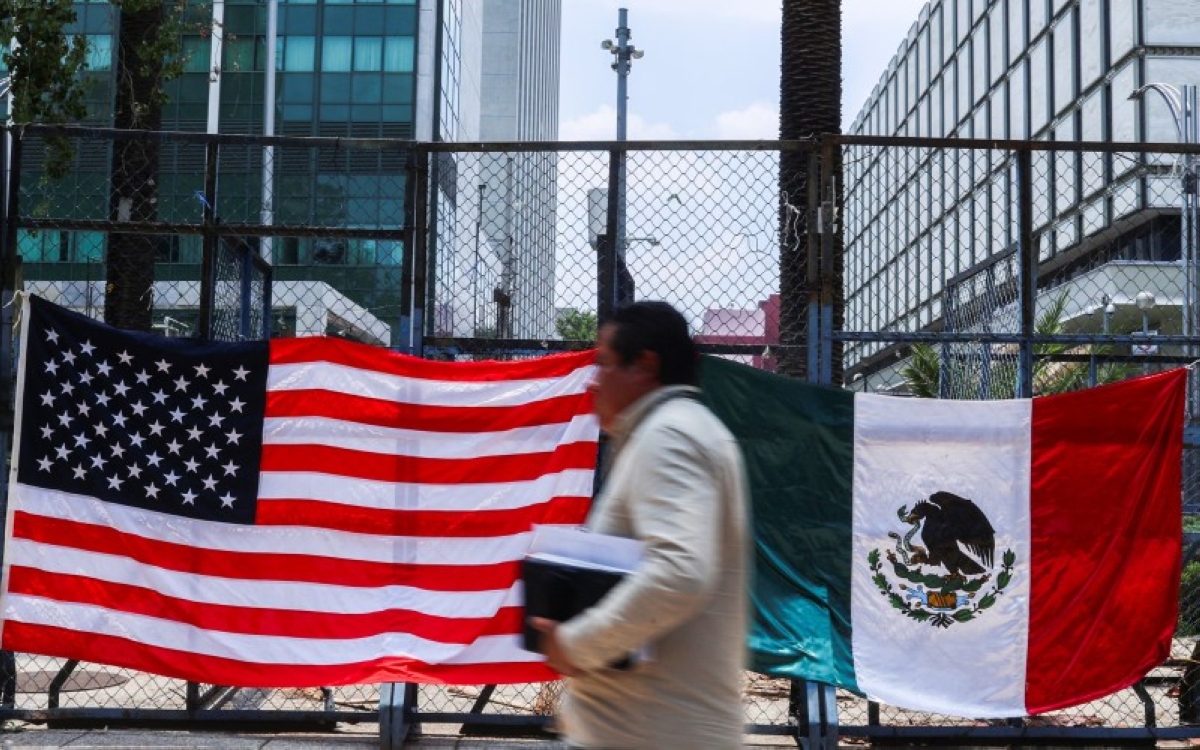
أعلن مسؤولان مكسيكيان أن الحكومة الأمريكية سحبت تأشيرات الدخول إلى الولايات المتحدة من نحو 50 سياسياً ومسؤولاً حكومياً في المكسيك، في إطار حملة إدارة الرئيس دونالد ترمب الشاملة ضد كارتلات المخدرات وشبكاتها السياسية المشتبه في ارتباطها بها.
صدمة داخل النخبة المكسيكية
وأثار هذا الإجراء، بحسب صحيفة «الغارديان»، صدمة داخل النخبة السياسية المكسيكية، التي تعتمد كثيراً على السفر إلى الولايات المتحدة، ويُعد توسيعاً ملحوظاً للجهود الأمريكية المضادة للمخدرات، إذ يستهدف الآن سياسيين نشطين يُعتبرون عادةً حساسين دبلوماسياً.
ووفقاً لثلاثة سفراء أمريكيين سابقين، سحبت الإدارات السابقة تأشيرات بهذه الطريقة سابقاً، لكن ليس بنفس الدرجة، مما يعكس، حسب قولهم، استعداد ترمب لاستخدام الأدوات الدبلوماسية لتحقيق أهداف سياسية.
وقال توني واين، سفير الولايات المتحدة في المكسيك بين عامي 2011 و2015: «إدارة ترمب تجد طرقاً جديدة لممارسة ضغط أكبر على المكسيك».
50 سياسيّاً من الحزب الحاكم فقدوا تأشيراتهم
وأفاد أحد المصادر وهو سياسي مكسيكي كبير لـ«الغارديان»، بأن أكثر من 50 سياسياً من حزب مورينا الحاكم (حزب الرئيسة كلوديا شينباوم) فقدوا تأشيراتهم، إضافة إلى عشرات المسؤولين من أحزاب أخرى.
وقال مسؤول كبير في وزارة الخارجية الأمريكية: «يمكن سحب التأشيرات، بما في ذلك تلك الخاصة بالمسؤولين الأجانب، في أي وقت لأنشطة تتعارض مع المصلحة الوطنية الأمريكية».
وأضاف: «لدى إدارة ترمب علاقة عمل جيدة مع حكومة شينباوم، ونتطلع إلى مواصلة تعزيز علاقتنا الثنائية في إطار أجندة السياسة الخارجية أمريكا أولاً».
تعليق المكسيك
فيما لم ترد الرئاسة أو وزارة الخارجية المكسيكية على طلبات التعليق.
وفي سياق أوسع، سحبت إدارة ترمب تأشيرات في أمريكا اللاتينية ضد خصوم سياسيين وأيديولوجيين، مثل سحب تأشيرة الرئيس الكولومبي غوستافو بيترو بعد خطابه في مظاهرة مؤيدة لفلسطين في نيويورك، ودعوته الجنود الأمريكيين لعصيان أوامر ترمب.
كما فقد أكثر من 20 قاضياً ومسؤولاً برازيلياً تأشيراتهم، وفي كوستاريكا، سُحبت تأشيرات 14 سياسياً ورجل أعمال، بما في ذلك الرئيس السابق أوسكار أرياس، الحائز على جائزة نوبل للسلام، الذي انتقد ترمب على وسائل التواصل الاجتماعي ولم يُعطَ سبباً للسحب.
وفي المكسيك، تهدد هذه السحوبات الواسعة النطاق – خاصة لأعضاء حزب مورينا – بتعقيد العلاقات المتوترة أصلاً مع الولايات المتحدة، وسط مفاوضات تجارية وأمنية حاسمة. ورغم تعاون شينباوم الوثيق مع الولايات المتحدة ضد الكارتلات، إلا أنها أدانت اقتراحات مسؤولين أمريكيين بتدخل عسكري أحادي الجانب، معتبرة إياه انتهاكاً للسيادة المكسيكية.
Two Mexican officials announced that the U.S. government has revoked visas for entry into the United States from about 50 politicians and government officials in Mexico, as part of President Donald Trump's comprehensive campaign against drug cartels and their suspected political networks.
Shock Within the Mexican Elite
This action, according to the Guardian newspaper, has caused shock within the Mexican political elite, which heavily relies on travel to the United States, and it represents a significant expansion of U.S. anti-drug efforts, now targeting active politicians who are typically considered diplomatically sensitive.
According to three former U.S. ambassadors, previous administrations have revoked visas in this manner before, but not to the same extent, reflecting, they say, Trump's willingness to use diplomatic tools to achieve political goals.
Tony Wayne, the U.S. ambassador to Mexico from 2011 to 2015, stated: "The Trump administration is finding new ways to exert greater pressure on Mexico."
50 Politicians from the Ruling Party Have Lost Their Visas
One source, a senior Mexican politician, told the Guardian that more than 50 politicians from the ruling Morena party (the party of President Claudia Sheinbaum) have lost their visas, in addition to dozens of officials from other parties.
A senior official at the U.S. State Department said: "Visas, including those of foreign officials, can be revoked at any time for activities that conflict with U.S. national interests."
He added: "The Trump administration has a good working relationship with the Sheinbaum government, and we look forward to continuing to enhance our bilateral relationship within the framework of the America First foreign policy agenda."
Mexico's Response
Neither the presidency nor the Mexican Foreign Ministry has responded to requests for comment.
In a broader context, the Trump administration has revoked visas in Latin America against political and ideological opponents, such as the revocation of Colombian President Gustavo Petro's visa after his speech at a pro-Palestine demonstration in New York, where he called on U.S. soldiers to disobey Trump's orders.
More than 20 Brazilian judges and officials have also lost their visas, and in Costa Rica, visas for 14 politicians and a businessman were revoked, including former President Oscar Arias, who won the Nobel Peace Prize and criticized Trump on social media without being given a reason for the revocation.
In Mexico, these widespread revocations—especially for members of the Morena party—threaten to complicate already tense relations with the United States amid critical trade and security negotiations. Despite Sheinbaum's close cooperation with the U.S. against the cartels, she has condemned suggestions from U.S. officials for unilateral military intervention, considering it a violation of Mexican sovereignty.