


لم تستبعد صحيفة «كيهان» الخاضعة لإشراف ممثل المرشد الإيراني حسين شريعمتداري، تجدد المواجهة بين طهران من جهة وإسرائيل والولايات المتحدة من جهة أخرى.
وأوضحت الصحيفة أن حالة الارتباك والاضطراب الاقتصادي الراهنة في إيران يمكن اعتبارها استمراراً لتأثيرات «الحرب التي استمرت 12 يوماً» بين إيران وإسرائيل، معتبرة أن هذا الواقع أحد الأسباب التي تجعل من غير الممكن استبعاد احتمال مواجهة جديدة مع «العدو»، بحسب تعبيرها.
وحسب مقال للصحفي جعفر بلوري، فإنه «يمكن النظر إلى جزء من الحالة الاقتصادية المشوّشة والمضطربة في البلاد على أنها استمرار للحرب... فلو لم تكن المواجهة الجديدة محتملة، لما شنّ الأعداء هذا الهجوم الواضح والفاضح على معيشة الناس مستخدمين أدوات الحظر وآلية الزناد والإعلام والقنوات التلغرامية».
واعتبرت الصحيفة أن إسرائيل غير قادرة بمفردها على مواجهة إيران، ولذلك استعانت خلال الحرب بالولايات المتحدة وحلف شمال الأطلسي (الناتو) لزيادة الضغط على طهران.
ورأت أن تجربة تلك الحرب والعقل السياسي والتحولات التي تلتها، إلى جانب ما يُعرف بـ«عقيدة بن غوريون»، تشير جميعها إلى أن احتمال تجدد المواجهة لا يزال قائماً.
وبحسب المقال، فإن إسرائيل اعترفت بأن المرحلة النهائية في خطته العدوانية ضد إيران تقوم على استغلال الاضطرابات الشعبية ومحاولة تحويلها إلى أداة لتفكيك البلاد. ولفت إلى أن إسرائيل اتخذت من سورية نموذجاً لها وتسعى إلى تنفيذ التجربة ذاتها داخل إيران، مؤكداً أن هذا جزء من الإستراتيجية الشاملة التي تستهدف بنية الدولة والمجتمع الإيرانيين.
وحذرت الصحيفة من أن العالم يقف على أعتاب «تشظ خطير» أو ما وصفته بـ«المنعطف التاريخي»، مؤكدة أن على دول مثل إيران ألا تبقى في موقف المتفرج، بل يجب أن تعزز قدراتها العسكرية، وتحافظ على تماسكها الداخلي، وتتبنى سياسة «الاقتصاد المقاوم» استعداداً لما وصفته الصحيفة بـ«الحرب المركبة التي يشنها العدو».
وتحدثت «كيهان» في تقريرها عن تصريح لوزير الحرب الإسرائيلي السابق أفيغدور ليبرمان، قال فيه إن «من يعتقد أن القضية مع إيران قد انتهت فهو مخطئ»، مضيفاً أن إيران «تواصل يومياً تعزيز قدراتها الدفاعية».
واعتبرت أن الدول الواقعة في قلب الأزمات والتحولات الإقليمية لا تملك خيار الانتظار أو الترقب، بل عليها أن تكون فاعلة في صنع مستقبلها، لأن «المستقبل لا يُمنح، بل يُصنع».
صحيفة إيرانية ترجح تجدد المواجهة مع إسرائيل
4 أكتوبر 2025 - 14:44
|
آخر تحديث 4 أكتوبر 2025 - 14:44
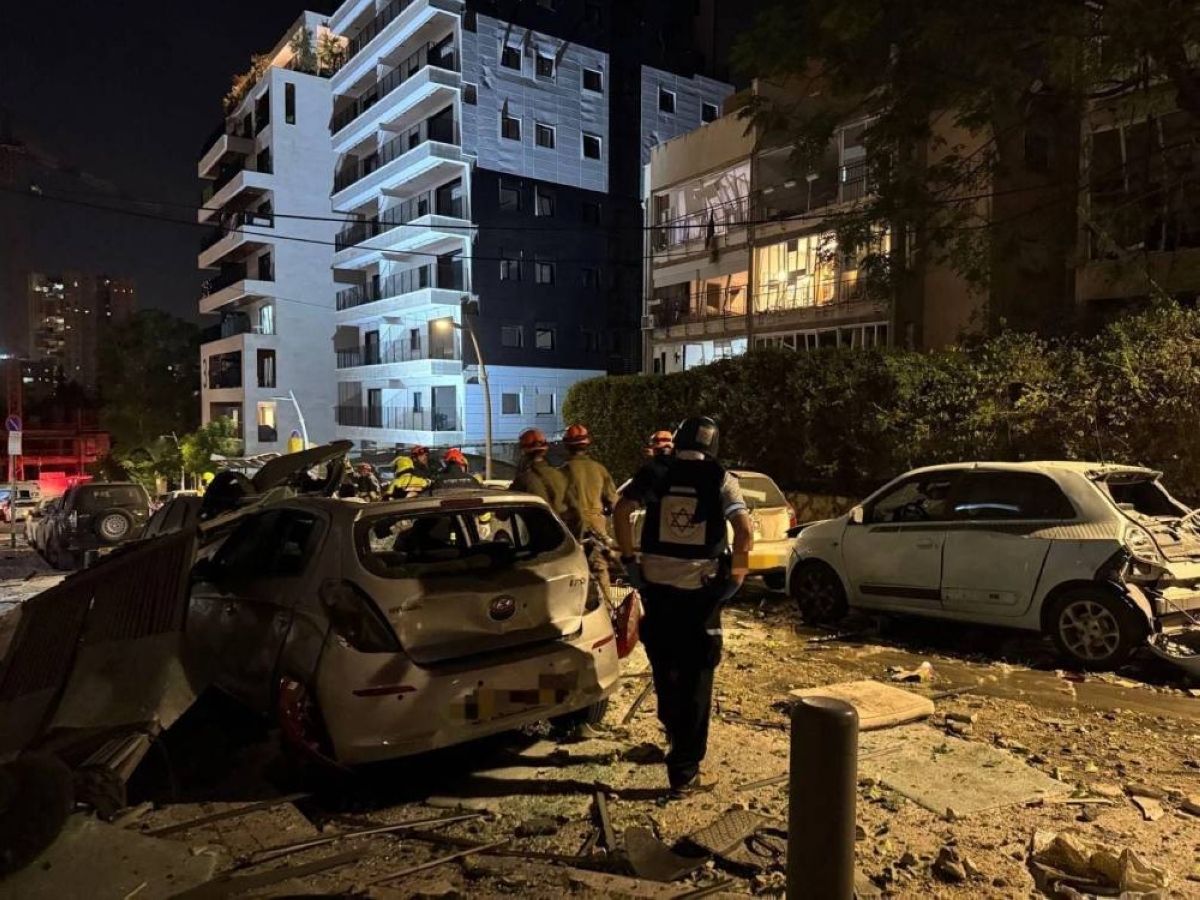
من الضربات الإيرانية على إسرائيل


تابع قناة عكاظ على الواتساب
«عكاظ»، وكالات (جدة، طهران) okaz_online@
The newspaper "Kayhan," under the supervision of the Iranian Supreme Leader's representative, Hossein Shariatmadari, did not rule out the possibility of renewed confrontation between Tehran on one side and Israel and the United States on the other.
The newspaper explained that the current state of confusion and economic turmoil in Iran can be considered a continuation of the effects of the "12-day war" between Iran and Israel, asserting that this reality is one of the reasons that makes it impossible to dismiss the likelihood of a new confrontation with the "enemy," as it described.
According to an article by journalist Jafar Balouri, "part of the confused and troubled economic situation in the country can be viewed as a continuation of the war... If a new confrontation were not likely, the enemies would not have launched this clear and blatant attack on people's livelihoods using tools of sanctions, trigger mechanisms, media, and Telegram channels."
The newspaper considered that Israel is unable to confront Iran alone, and therefore sought the assistance of the United States and NATO during the war to increase pressure on Tehran.
It noted that the experience of that war, the political mindset, and the transformations that followed, along with what is known as the "Ben Gurion Doctrine," all indicate that the possibility of renewed confrontation remains.
According to the article, Israel has acknowledged that the final phase of its aggressive plan against Iran is based on exploiting popular unrest and attempting to turn it into a tool for dismantling the country. It pointed out that Israel has taken Syria as a model and seeks to implement the same experience within Iran, emphasizing that this is part of the comprehensive strategy targeting the structure of the Iranian state and society.
The newspaper warned that the world stands on the brink of a "dangerous fragmentation" or what it described as a "historical turning point," asserting that countries like Iran should not remain passive spectators but must enhance their military capabilities, maintain internal cohesion, and adopt a policy of "resistance economy" in preparation for what the newspaper termed the "composite war waged by the enemy."
Kayhan discussed in its report a statement by former Israeli Defense Minister Avigdor Lieberman, who said that "anyone who thinks the issue with Iran is over is mistaken," adding that Iran "continues daily to strengthen its defensive capabilities."
It considered that countries at the heart of regional crises and transformations do not have the option to wait or watch, but must be active in shaping their future, because "the future is not granted; it is made."
The newspaper explained that the current state of confusion and economic turmoil in Iran can be considered a continuation of the effects of the "12-day war" between Iran and Israel, asserting that this reality is one of the reasons that makes it impossible to dismiss the likelihood of a new confrontation with the "enemy," as it described.
According to an article by journalist Jafar Balouri, "part of the confused and troubled economic situation in the country can be viewed as a continuation of the war... If a new confrontation were not likely, the enemies would not have launched this clear and blatant attack on people's livelihoods using tools of sanctions, trigger mechanisms, media, and Telegram channels."
The newspaper considered that Israel is unable to confront Iran alone, and therefore sought the assistance of the United States and NATO during the war to increase pressure on Tehran.
It noted that the experience of that war, the political mindset, and the transformations that followed, along with what is known as the "Ben Gurion Doctrine," all indicate that the possibility of renewed confrontation remains.
According to the article, Israel has acknowledged that the final phase of its aggressive plan against Iran is based on exploiting popular unrest and attempting to turn it into a tool for dismantling the country. It pointed out that Israel has taken Syria as a model and seeks to implement the same experience within Iran, emphasizing that this is part of the comprehensive strategy targeting the structure of the Iranian state and society.
The newspaper warned that the world stands on the brink of a "dangerous fragmentation" or what it described as a "historical turning point," asserting that countries like Iran should not remain passive spectators but must enhance their military capabilities, maintain internal cohesion, and adopt a policy of "resistance economy" in preparation for what the newspaper termed the "composite war waged by the enemy."
Kayhan discussed in its report a statement by former Israeli Defense Minister Avigdor Lieberman, who said that "anyone who thinks the issue with Iran is over is mistaken," adding that Iran "continues daily to strengthen its defensive capabilities."
It considered that countries at the heart of regional crises and transformations do not have the option to wait or watch, but must be active in shaping their future, because "the future is not granted; it is made."


