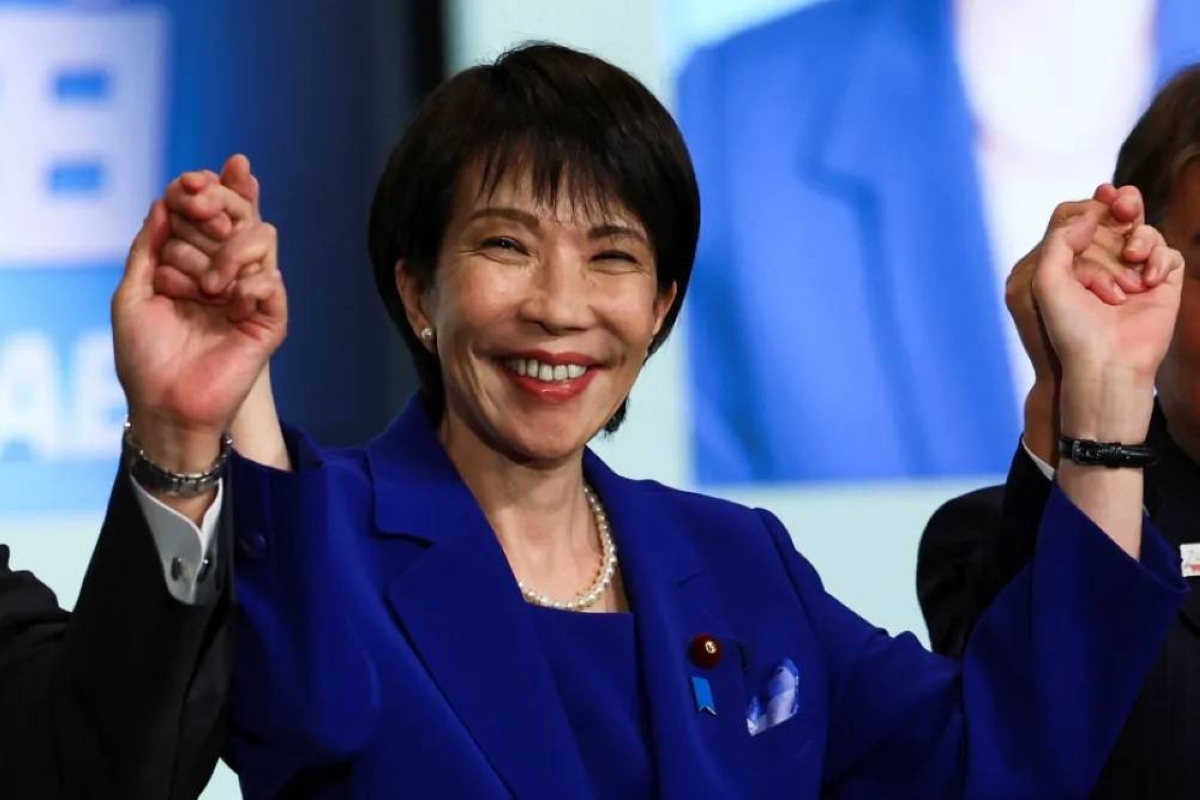
يبدو أن ساناي تاكايتشي باتت على بعد خطوة من أن تصبح أول رئيسة وزراء في اليابان، بعد فوزها بزعامة الحزب الليبرالي الديمقراطي الحاكم وحصولها على 185 صوتاً في جولة الإعادة أمام منافسها شينجيرو كويزومي الذي حصل على 156 صوتاً. وتقترب ساناي من أن تحل محل شيجيرو إيشيبا المنتهية ولايته، في انتظار تصويت البرلمان والمصادقة على تعيينها في رئاسة الحكومة.
دعم نواب المعارضة
وتغلبت تاكايتشي على كويزومي في جولة الإعادة، إذ لم يفز أي من المرشحين الخمسة بالأغلبية في الجولة الأولى من التصويت. ومن المتوقع إجراء تصويت في البرلمان لاختيار رئيس الوزراء القادم يوم 15 أكتوبر الجاري.
ولايزال الحزب الليبرالي الديمقراطي هو صاحب أكبر عدد من المقاعد في البرلمان، لكن مع ذلك، وبعد الانتخابات الأخيرة، لم يعد الائتلاف الذي يقوده يتمتع بالأغلبية في أي من المجلسين، وسيحتاج إلى دعم من نواب المعارضة ليتمكن من الحكم بفعالية.
حزب في أزمة
ويتوقع أن تخلف رئيسة الحزب الليبرالي الديمقراطي الجديدة، إيشيبا، في قيادة رابع أكبر اقتصاد في العالم. وتغلبت تاكايتشي (64 عاماً)، المرأة الوحيدة بين مرشحي الحزب الليبرالي الديمقراطي الخمسة، على شينجيرو كويزومي، الأكثر اعتدالاً، والبالغ من العمر 44 عاماً، والذي كان يسعى لأن يصبح أصغر زعيم للبلاد في العصر الحديث. وورثت تاكايتشي، وزيرة الداخلية السابقة ذات الأجندة الاقتصادية التوسعية، حزباً يعاني من أزمة.
ودأبت مختلف الأحزاب الأخرى، بما في ذلك الحزب الديمقراطي من أجل الشعب، ذو التوجهات التوسعية المالية، وحزب «سانسيتو» المناهض للهجرة، على استقطاب الناخبين، وخصوصا الشباب، بعيداً عن الحزب الليبرالي الديمقراطي.
مارجريت تاتشر قدوتها
وفي خطابها قبل الجولة الثانية من التصويت، قالت تاكايتشي: «سمعتُ أخيرا أصواتاً قاسية من جميع أنحاء البلاد تقول إننا لم نعد نعرف ما يمثله الحزب الليبرالي الديمقراطي». وأضافت: لقد دفعني هذا الشعور بالإلحاح. أردتُ أن أحوّل قلق الناس بشأن حياتهم اليومية ومستقبلهم إلى أمل.
وقدمت تاكايتشي التي تعتبر مارجريت تاتشر، أول رئيسة وزراء بريطانية، قدوتها، رؤيةً أكثر وضوحاً للتغيير من كويزومي. وهي مناصرة لإستراتيجية «آبينوميكس» التي تبناها رئيس الوزراء الراحل شينزو آبي، والرامية إلى تحفيز الاقتصاد من خلال الإنفاق الجريء والسياسة النقدية المتساهلة، وقد انتقدت سابقاً زيادات بنك اليابان في أسعار الفائدة.
مراجعة دستور البلاد
وطرحت تاكايتشي إمكانية إعادة التفاوض على صفقة استثمارية مع الرئيس الأمريكي دونالد ترمب، والتي خفّض بموجبها تعريفاته الجمركية العقابية مقابل استثمارات مدعومة من دافعي الضرائب اليابانيين.
ويمكن أن تُثير مواقفها القومية، مثل زياراتها المنتظمة لضريح ياسوكوني لضحايا الحرب اليابانيين، الذي يعتبره بعض جيرانها الآسيويين رمزاً لعسكرة اليابان في الماضي، غضب كوريا الجنوبية والصين.
وتُؤيد تاكايتشي مراجعة دستور اليابان السلمي لما بعد الحرب، واقترحت هذا العام أن تُشكّل اليابان «تحالفاً شبه أمني» مع تايوان، الجزيرة التي تطالب بها الصين.
It seems that Sanae Takayichi is just a step away from becoming Japan's first female Prime Minister, after winning the leadership of the ruling Liberal Democratic Party with 185 votes in the runoff against her competitor Shigeru Koizumi, who received 156 votes. Sanae is close to replacing the outgoing Shigeru Ishiba, pending a parliamentary vote and confirmation of her appointment as head of government.
Support from Opposition Lawmakers
Takayichi defeated Koizumi in the runoff, as neither of the five candidates won a majority in the first round of voting. A parliamentary vote to select the next Prime Minister is expected to take place on October 15.
The Liberal Democratic Party still holds the largest number of seats in parliament, but after the recent elections, the coalition it leads no longer has a majority in either chamber and will need support from opposition lawmakers to govern effectively.
A Party in Crisis
The new leader of the Liberal Democratic Party is expected to succeed Ishiba in leading the world's fourth-largest economy. Takayichi (64 years old), the only woman among the five candidates from the Liberal Democratic Party, defeated the more moderate Shigeru Koizumi, who is 44 years old and was aiming to become the youngest leader of the country in modern times. Takayichi, a former Minister of Internal Affairs with an expansionary economic agenda, inherits a party that is facing a crisis.
Various other parties, including the Democratic Party for the People, which has expansionary financial tendencies, and the anti-immigration "Sanseito" party, have been attracting voters, especially young people, away from the Liberal Democratic Party.
Margaret Thatcher as Her Role Model
In her speech before the second round of voting, Takayichi said, "I have finally heard harsh voices from across the country saying that we no longer know what the Liberal Democratic Party represents." She added, "This sense of urgency drove me. I wanted to turn people's concerns about their daily lives and their future into hope."
Takayichi, who considers Margaret Thatcher, the first female Prime Minister of the UK, her role model, presented a clearer vision for change than Koizumi. She is an advocate of the "Abenomics" strategy adopted by the late Prime Minister Shinzo Abe, aimed at stimulating the economy through bold spending and loose monetary policy, and she has previously criticized the Bank of Japan's interest rate hikes.
Reviewing the Country's Constitution
Takayichi raised the possibility of renegotiating an investment deal with U.S. President Donald Trump, under which he reduced punitive tariffs in exchange for investments backed by Japanese taxpayers.
Her nationalist positions, such as her regular visits to the Yasukuni Shrine for Japanese war victims, which some of her Asian neighbors view as a symbol of Japan's militarization in the past, could provoke anger from South Korea and China.
Takayichi supports revising Japan's pacifist post-war constitution and suggested this year that Japan form a "quasi-security alliance" with Taiwan, the island claimed by China.