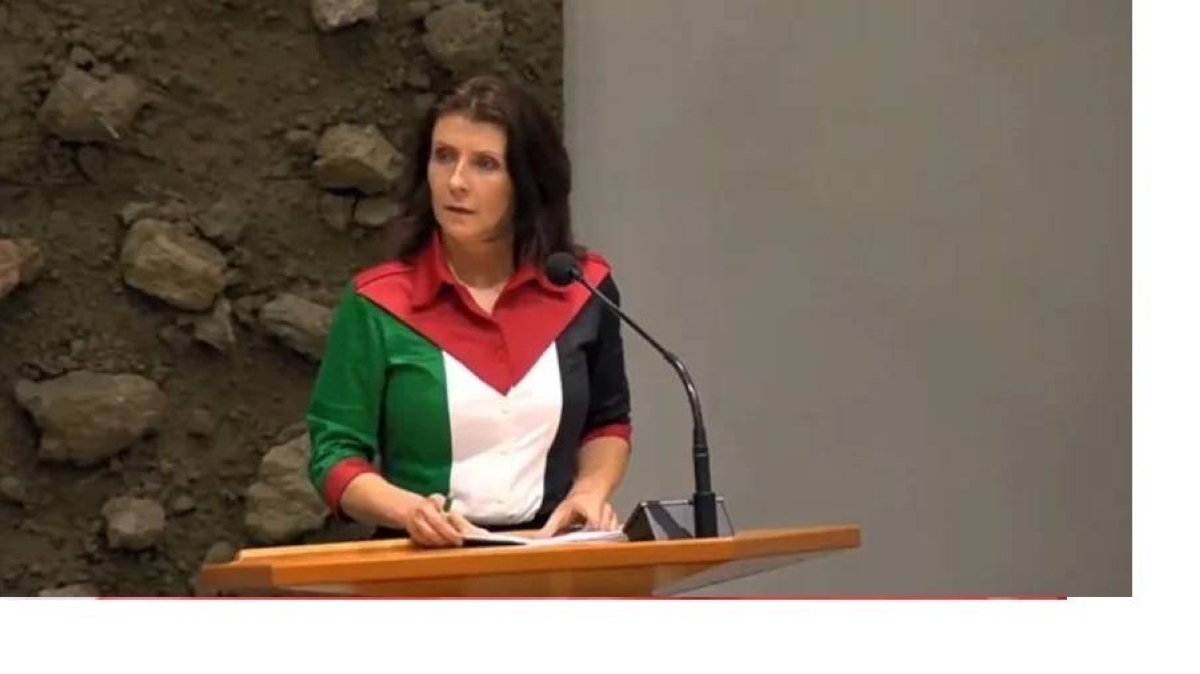
في حدث أثار جدلا واسعا في البرلمان الهولندي، تداول رواد مواقع التواصل الاجتماعي على نطاق واسع، واقعة إجبار النائبة إيستير أوويهانت، زعيمة حزب الحيوانات (PvdD)، على مغادرة قاعة الاجتماعات، بعد ظهورها مرتدية قميصا بألوان العلم الفلسطيني (أخضر، أبيض، أسود، وأحمر) أثناء مناقشة الميزانية السنوية.
زعيمة حزب الحيوانات في البرلمان الهولندي تدعم فلسطين.
الحادثة وقعت خلال جلسة في مجلس النواب، إذ طلب رئيس الجلسة النائب اليميني المتطرف مارتن بوسما من حزب الحرية (PVV)، من أوويهانت تغيير ملابسها، معتبرا أن الرمز يُعد بيانا سياسيا غير مسموح به في القاعة.
تضامن مع الشعب الفلسطيني
وأكدت أوويهانت، التي تُعرف بدفاعها الحازم عن حقوق الحيوانات والقضايا الإنسانية، أن ارتداءها القميص كان تعبيرا عن تضامنها مع الشعب الفلسطيني، وانتقادا لرفض الحكومة الهولندية الاعتراف بما وصفته بـ«الإبادة الجماعية» في غزة.
وقالت في تصريحات للإعلام: «كنت أريد إظهار التضامن مع الفلسطينيين، وأن أبرز موقف الحكومة الذي يرفض الاعتراف بالواقع في غزة»، مُشيرة إلى أن البرلمان لا يملك قواعد لباس رسمية، مما يترك القرار للرئيس، لكن هذا النهج غالبا ما يؤدي إلى خلافات.
وبعد مغادرتها القاعة لتغيير الملابس، عادت أوويهانت بعد فترة قصيرة مرتدية قميصا آخر مزينا بطباعة «بطيخة»، وهو رمز تاريخي للتضامن مع فلسطين منذ عام 1967، إذ تشترك ألوانه مع ألوان العلم الفلسطيني دون أن يكون بيانا مباشرا.
النائبة الهولندية إستير أوويهانت.
ردود الفعل
هذا التحدي الذكي أثار إعجاب الكثيرين، وانتشرت فيديوهات للحادثة على وسائل التواصل الاجتماعي، إذ وُصفت بـ«الجريئة والرمزية».
وجاءت الحادثة في سياق جلسة الميزانية التي تحولت إلى ساحة للترويج الانتخابي، مع تصويت على أكثر من 60 اقتراحا، بما في ذلك توسيع الرقابة على الحدود، حظر البرقع، ومساعدة الأطفال الجرحى في غزة.
وخلال الجلسة نفسها، ارتدى زعيم حزب دينك ستيفان فان بيارل دبوسا يحمل علم فلسطين، بينما عرض أعضاء من حزب BBB أشرطة صفراء للتضامن مع الأسرى الإسرائيليين في غزة، مما يبرز التوترات السياسية حول الصراع الإسرائيلي-الفلسطيني في البرلمان الهولندي.
وأثار الحدث نقاشات حول حرية التعبير والرموز السياسية داخل البرلمان، إذ يُعتبر هذا النهج للرئيس بوسما انتقائيا، خصوصا مع عدم وجود قواعد واضحة.
وفي تصريحات إعلامية، أكدت أوويهانت التزامها بالاحتجاج السلمي، مشيرة إلى أن القميص البطيخي كان طريقتها في التعبير عن الرسالة دون انتهاك القواعد المزعومة.
In an event that sparked widespread controversy in the Dutch Parliament, social media users widely circulated the incident of forcing MP Esther Ouwehand, leader of the Party for the Animals (PvdD), to leave the meeting room after she appeared wearing a shirt in the colors of the Palestinian flag (green, white, black, and red) during the annual budget discussion.
زعيمة حزب الحيوانات في البرلمان الهولندي تدعم فلسطين.
The incident occurred during a session in the House of Representatives, where the session chairman, far-right MP Martin Bosma from the Freedom Party (PVV), requested Ouwehand to change her clothing, considering that the symbol constitutes a political statement not allowed in the chamber.
Solidarity with the Palestinian People
Ouwehand, known for her strong defense of animal rights and humanitarian issues, confirmed that wearing the shirt was an expression of her solidarity with the Palestinian people and a criticism of the Dutch government's refusal to recognize what she described as "genocide" in Gaza.
She stated in media remarks: "I wanted to show solidarity with the Palestinians and highlight the government's position that refuses to acknowledge the reality in Gaza," pointing out that Parliament does not have formal dress codes, leaving the decision to the chairman, but this approach often leads to disputes.
After leaving the chamber to change her clothes, Ouwehand returned shortly after wearing another shirt adorned with a "watermelon" print, which has been a historical symbol of solidarity with Palestine since 1967, as its colors match those of the Palestinian flag without being a direct statement.
النائبة الهولندية إستير أوويهانت.
Reactions
This clever challenge impressed many, and videos of the incident spread on social media, being described as "bold and symbolic."
The incident occurred in the context of a budget session that turned into a platform for electoral promotion, with voting on more than 60 proposals, including expanding border control, banning the burqa, and aiding injured children in Gaza.
During the same session, the leader of the Denk Party, Stephan van Baarle, wore a pin featuring the Palestinian flag, while members of the BBB party displayed yellow ribbons in solidarity with Israeli prisoners in Gaza, highlighting the political tensions surrounding the Israeli-Palestinian conflict in the Dutch Parliament.
The event sparked discussions about freedom of expression and political symbols within Parliament, as this approach by Chairman Bosma is considered selective, especially with the lack of clear rules.
In media statements, Ouwehand reaffirmed her commitment to peaceful protest, noting that the watermelon shirt was her way of conveying the message without violating the alleged rules.