


تحولت جلسة مجلس الوزراء التي انعقدت في قصر بعبدا، اليوم (الجمعة)، إلى محطة مفصلية في مسار الحكومة، مع انسحاب الوزراء الشيعة (الخمسة) رفضاً لعرض وإقرار خطة الجيش لحصر السلاح، في خطوة هزّت تماسك التركيبة الوزارية ووضعت مصيرها على المحك، كما كشفت عمق الانقسام داخلها.ولم يقتصر الأمر على الانسحاب فحسب، بل اتخذ وزير الصناعة (شيعي) فادي مكة خطوة أبعد بوضعه استقالته بتصرف رئيس الجمهورية جوزيف عون، قائلاً: «إذا كانت الأمور ستكون ضاغطة عليّ، وإذا لم أستطع أن أجاري قرارات الحكومة بشأن حصرية السلاح، أضع استقالتي بتصرّف رئيسيّ الجمهورية والحكومة». وعلى خط الموقف نفسه، حذر الوزير محمد حيدر فور خروجه من الجلسة من خطورة ما جرى، مؤكداً أن «أي خيار يتخذ بغياب الطائفة الشيعية هو غير ميثاقي، ولا يمكن الحديث عن خطوات لاحقة قبل انتهاء الجلسة».ورغم المشهدية التي رافقت الموقف والتهديد بالميثاقية من قبل الوزراء الشيعة، استكمل مجلس الوزراء أعماله وأقر خطة الجيش بغيابهم، لكن خلف هذا المشهد، يلوح مأزق أعمق: فشل كل الاتصالات في إيجاد تسوية، وتعاظم الخشية من شرارة لتحركات في الشارع قد تنزلق نحو انفلات أمني.والأخطر أن الأزمة تتزامن مع وصول الموفدة الأمريكية مورغان أورتاغوس وقائد القيادة الوسطى الأمريكية إلى بيروت، في الساعات القليلة القادمة، ما يضعف الموقف اللبناني التفاوضي ويمنح إسرائيل ذريعة إضافية لتكثيف اعتداءاتها، فيما يطل شبح «أزمة تعطيل جديدة» للقرارات المصيرية في لحظة سياسية وأمنية لا تحتمل التردد.يذكر أن مجلس الوزراء رحب بخطة الجيش لحصر السلاح ومراحلها المتتالية لضمان قرار بسط سلطة الدولة وحصر السلاح بيدها، وأبقت مناقشات الخطة مفتوحة، مع الإشارة إلى أنه خلال الجلسة لم يتم التطرق إلى مهلة زمنية لحصر السلاح كون المهلة حدّدها مجلس الوزراء في قرار 5 أغسطس الماضي، وهي حتى نهاية هذا العام.وفي السياق، يقول رئيس الحكومة نواف سلام خلال الجلسة إنه لا يمكن النهوض بالبلاد دون حصر السلاح، ولا استثمارات ستأتي من دون حصر السلاح بيد الدولة، مشدداً أن التنفيذ الكامل لاتفاق وقف الأعمال العدائية يمثل الآلية العملانية لتطبيق القرار 1701.
الحكومة اللبنانية تقر خطة حصر السلاح.. واختبار ميثاقي يهدد مسارها
5 سبتمبر 2025 - 19:32
|
آخر تحديث 22 نوفمبر 2025 - 15:52
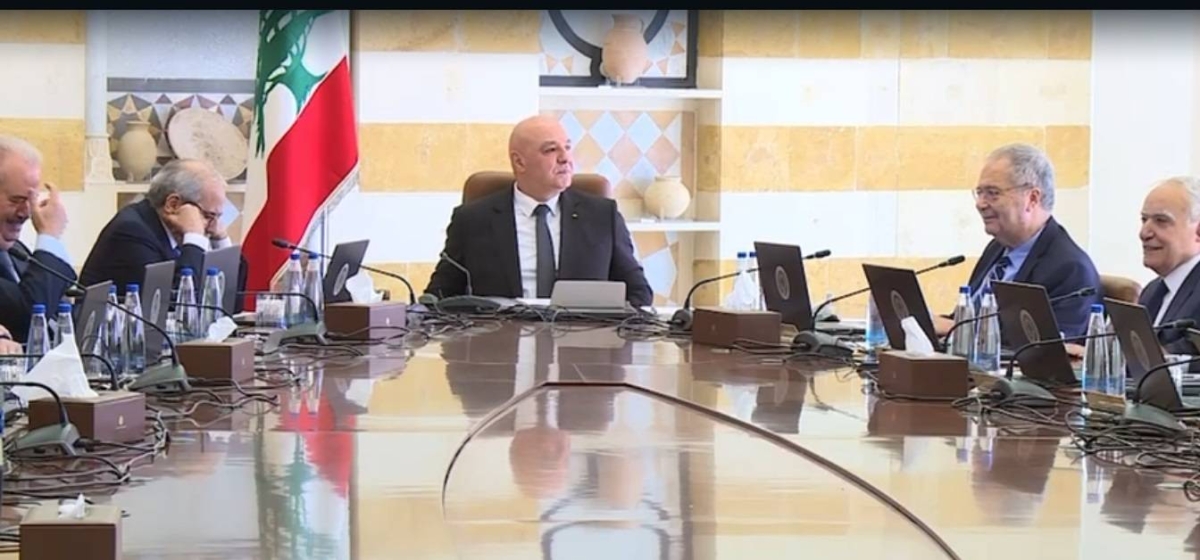
أجتماع الحكومة اللبنانية


تابع قناة عكاظ على الواتساب
The Cabinet session that took place at the Baabda Palace today (Friday) turned into a pivotal moment in the government's path, with the withdrawal of the five Shiite ministers in rejection of the proposal and approval of the army's plan to restrict arms. This move shook the cohesion of the ministerial structure and put its fate at stake, revealing the depth of the division within it.
It was not just a withdrawal; the Minister of Industry (Shiite) Fadi Makki took a further step by placing his resignation at the disposal of President Joseph Aoun, stating: "If things are going to be pressuring for me, and if I cannot keep up with the government's decisions regarding the exclusivity of arms, I place my resignation at the disposal of the President of the Republic and the government." In the same vein, Minister Mohammad Haidar warned immediately after leaving the session about the seriousness of what had occurred, affirming that "any option taken in the absence of the Shiite community is unconstitutional, and it is not possible to talk about subsequent steps before the session ends."
Despite the dramatic scene accompanying the stance and the threat of constitutional issues from the Shiite ministers, the Cabinet continued its work and approved the army's plan in their absence. However, behind this scene looms a deeper dilemma: the failure of all communications to find a settlement, and the growing fear of a spark for street movements that could slip into security chaos.
Worse still, the crisis coincides with the arrival of U.S. envoy Morgan Ortagus and the commander of the U.S. Central Command in Beirut in the coming hours, which weakens the Lebanese negotiating position and gives Israel an additional pretext to intensify its attacks, while the specter of a "new obstruction crisis" for crucial decisions looms at a political and security moment that cannot afford hesitation.
It is worth noting that the Cabinet welcomed the army's plan to restrict arms and its successive phases to ensure a decision to assert state authority and restrict arms to it, and discussions on the plan remained open, noting that during the session, no time frame was discussed for restricting arms since the timeframe was set by the Cabinet in the decision of August 5, which is until the end of this year.
In this context, Prime Minister Nawaf Salam stated during the session that the country cannot rise without restricting arms, and no investments will come without arms being in the hands of the state, emphasizing that the full implementation of the ceasefire agreement represents the operational mechanism for applying Resolution 1701.
It was not just a withdrawal; the Minister of Industry (Shiite) Fadi Makki took a further step by placing his resignation at the disposal of President Joseph Aoun, stating: "If things are going to be pressuring for me, and if I cannot keep up with the government's decisions regarding the exclusivity of arms, I place my resignation at the disposal of the President of the Republic and the government." In the same vein, Minister Mohammad Haidar warned immediately after leaving the session about the seriousness of what had occurred, affirming that "any option taken in the absence of the Shiite community is unconstitutional, and it is not possible to talk about subsequent steps before the session ends."
Despite the dramatic scene accompanying the stance and the threat of constitutional issues from the Shiite ministers, the Cabinet continued its work and approved the army's plan in their absence. However, behind this scene looms a deeper dilemma: the failure of all communications to find a settlement, and the growing fear of a spark for street movements that could slip into security chaos.
Worse still, the crisis coincides with the arrival of U.S. envoy Morgan Ortagus and the commander of the U.S. Central Command in Beirut in the coming hours, which weakens the Lebanese negotiating position and gives Israel an additional pretext to intensify its attacks, while the specter of a "new obstruction crisis" for crucial decisions looms at a political and security moment that cannot afford hesitation.
It is worth noting that the Cabinet welcomed the army's plan to restrict arms and its successive phases to ensure a decision to assert state authority and restrict arms to it, and discussions on the plan remained open, noting that during the session, no time frame was discussed for restricting arms since the timeframe was set by the Cabinet in the decision of August 5, which is until the end of this year.
In this context, Prime Minister Nawaf Salam stated during the session that the country cannot rise without restricting arms, and no investments will come without arms being in the hands of the state, emphasizing that the full implementation of the ceasefire agreement represents the operational mechanism for applying Resolution 1701.


