تتجه الأنظار إلى قصر بعبدا عصر الجمعة القادمة، الذي يعقد فيه مجلس الوزراء جلسة مفصلية خُصصت لمناقشة خطة الجيش اللبناني المتعلقة بحصر السلاح. ورغم أن الدعوة حددت رسمياً إلا أن أجواء ما قبل الجلسة تعكس ارتباكاً سياسياً متزايداً، فيما يكثر الحديث عن احتمال تحول النقاش إلى محطة رمزية أكثر منها تنفيذية.مصادر حكومية معنية تؤكد أن إرجاء الجلسة من (الثلاثاء) إلى (الجمعة) لم يكن مجرد تفصيل تقني، بل جاء لإعطاء فسحة إضافية للمشاورات السياسية مع القوى المتحفظة، وتحديداً «الثنائي الشيعي». فالمعطيات تشير إلى أن وزراء حزب الله سيقاطعون الجلسة حكماً، بينما يميل وزراء حركة أمل إلى الانسحاب منها إذا وُضع البند المتعلق بسلاح حزب الله على الطاولة بشكل مباشر، ما يهدد بانقسام حكومي يصعب ترميمه لاحقاً.أما مضمون الخطة نفسها، فما زال محاطاً بكثير من التكتم، وما رشح منها يوحي بأنها أقرب إلى «رؤية عامة» تتحدث عن العوائق والحاجات والانتشار، من دون تحديد جداول زمنية أو خطوات إلزامية، على أن يعرض قائد الجيش العماد رودولف هيكل عناوينها الأساسية، فيما يُترك التنفيذ رهناً بالتوافق السياسي الشامل، وربما بمواكبة ضغوط دولية على إسرائيل للالتزام بما نصت عليه الورقة الأمريكية التي بدت حتى الآن شبه معلقة.وفي الكواليس، جرى أكثر من تواصل بين كافة المسؤولين العالقين بين دعوات التهدئة ومخاوف التصعيد، ويجد مجلس الوزراء نفسه أمام مفترق ضيّق: إما الاكتفاء بإحالة خطة الجيش كوثيقة عامة توضع في الأدراج بانتظار تبدّل الموقف الإسرائيلي، بما يتيح تجنّب صدام داخلي محتوم، وإما الذهاب نحو إقرارها رسمياً رغم اعتراض «الثنائي الشيعي»، وهو خيار ينطوي على مجازفة كبيرة قد تضع الحكومة والجيش معاً في قلب أزمة سياسية وأمنية مفتوحة.حتى اللحظة، ترجح مصادر وزارية أن الجلسة ستُعقد في موعدها، لكن من دون حسم في النتائج، فالتفاصيل الجوهرية ستبقى مخفية خلف عبارات فضفاضة، ريثما تتضح موازين القوى الإقليمية والدولية، ويُحسم ما إذا كان لبنان مقبلاً على تسوية جديدة أم على جولة إضافية من المواجهة.
ترقب حذر لجلسة السلاح.. خطة الجيش اللبناني بين التجميد والانفجار السياسي
1 سبتمبر 2025 - 14:20
|
آخر تحديث 22 نوفمبر 2025 - 15:53
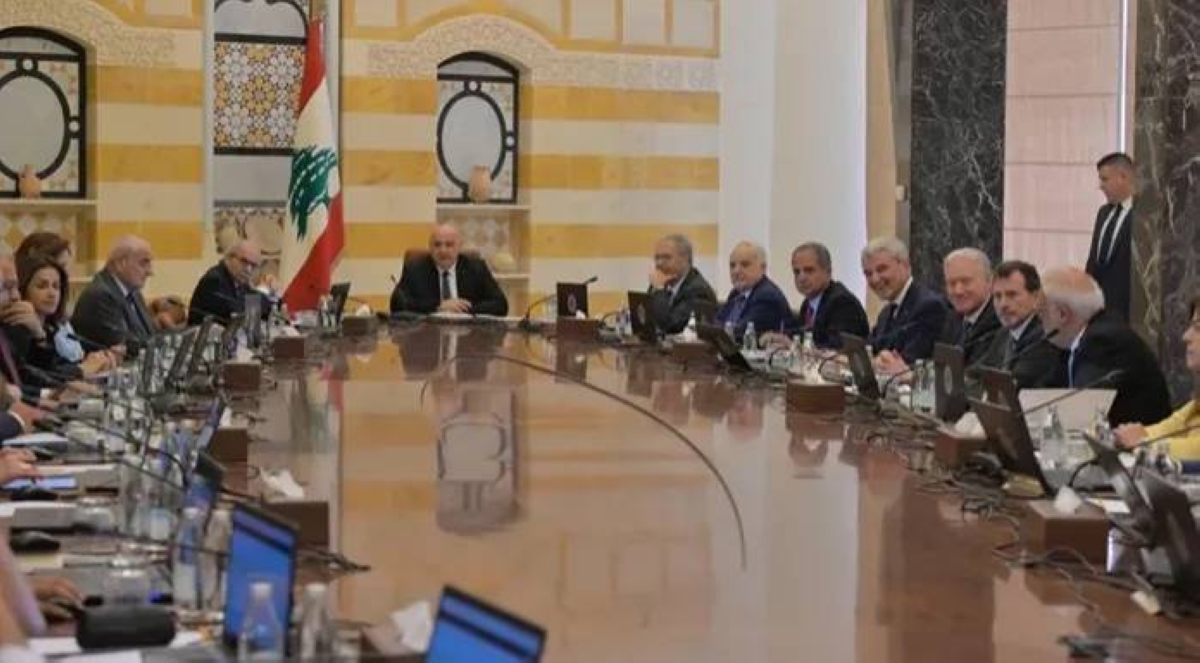
اجتماع الحكومة اللبنانية


تابع قناة عكاظ على الواتساب
The eyes are turning to the Baabda Palace next Friday afternoon, where the Cabinet will hold a pivotal session dedicated to discussing the Lebanese Army's plan regarding the restriction of arms. Although the invitation has been officially set, the atmosphere leading up to the session reflects increasing political confusion, with much talk about the possibility that the discussion may turn into a symbolic rather than an executive station.
Relevant government sources confirm that the postponement of the session from Tuesday to Friday was not merely a technical detail, but was intended to provide additional space for political consultations with the cautious forces, specifically the "Shiite duo." The data indicates that Hezbollah ministers will certainly boycott the session, while ministers from the Amal Movement are inclined to withdraw if the item related to Hezbollah's weapons is placed directly on the table, which threatens a governmental division that would be difficult to mend later.
As for the content of the plan itself, it remains shrouded in much secrecy, and what has leaked suggests that it is closer to a "general vision" that discusses obstacles, needs, and deployment, without specifying timelines or mandatory steps. The Army Commander, General Rudolf Haikal, is expected to present its main points, while the implementation is left contingent on comprehensive political consensus, possibly accompanied by international pressures on Israel to comply with what was stipulated in the American paper, which has so far appeared to be almost suspended.
Behind the scenes, there have been several communications among all officials caught between calls for de-escalation and fears of escalation, and the Cabinet finds itself at a narrow crossroads: either to settle for referring the Army's plan as a general document to be shelved while waiting for a change in the Israeli stance, thus avoiding an inevitable internal clash, or to proceed with its official approval despite the objections of the "Shiite duo," a choice that carries significant risks that could place both the government and the army at the heart of an open political and security crisis.
So far, ministerial sources suggest that the session will be held as scheduled, but without a resolution in the outcomes, as the essential details will remain hidden behind vague phrases until the balance of regional and international powers becomes clear, and it is determined whether Lebanon is heading towards a new settlement or an additional round of confrontation.
Relevant government sources confirm that the postponement of the session from Tuesday to Friday was not merely a technical detail, but was intended to provide additional space for political consultations with the cautious forces, specifically the "Shiite duo." The data indicates that Hezbollah ministers will certainly boycott the session, while ministers from the Amal Movement are inclined to withdraw if the item related to Hezbollah's weapons is placed directly on the table, which threatens a governmental division that would be difficult to mend later.
As for the content of the plan itself, it remains shrouded in much secrecy, and what has leaked suggests that it is closer to a "general vision" that discusses obstacles, needs, and deployment, without specifying timelines or mandatory steps. The Army Commander, General Rudolf Haikal, is expected to present its main points, while the implementation is left contingent on comprehensive political consensus, possibly accompanied by international pressures on Israel to comply with what was stipulated in the American paper, which has so far appeared to be almost suspended.
Behind the scenes, there have been several communications among all officials caught between calls for de-escalation and fears of escalation, and the Cabinet finds itself at a narrow crossroads: either to settle for referring the Army's plan as a general document to be shelved while waiting for a change in the Israeli stance, thus avoiding an inevitable internal clash, or to proceed with its official approval despite the objections of the "Shiite duo," a choice that carries significant risks that could place both the government and the army at the heart of an open political and security crisis.
So far, ministerial sources suggest that the session will be held as scheduled, but without a resolution in the outcomes, as the essential details will remain hidden behind vague phrases until the balance of regional and international powers becomes clear, and it is determined whether Lebanon is heading towards a new settlement or an additional round of confrontation.