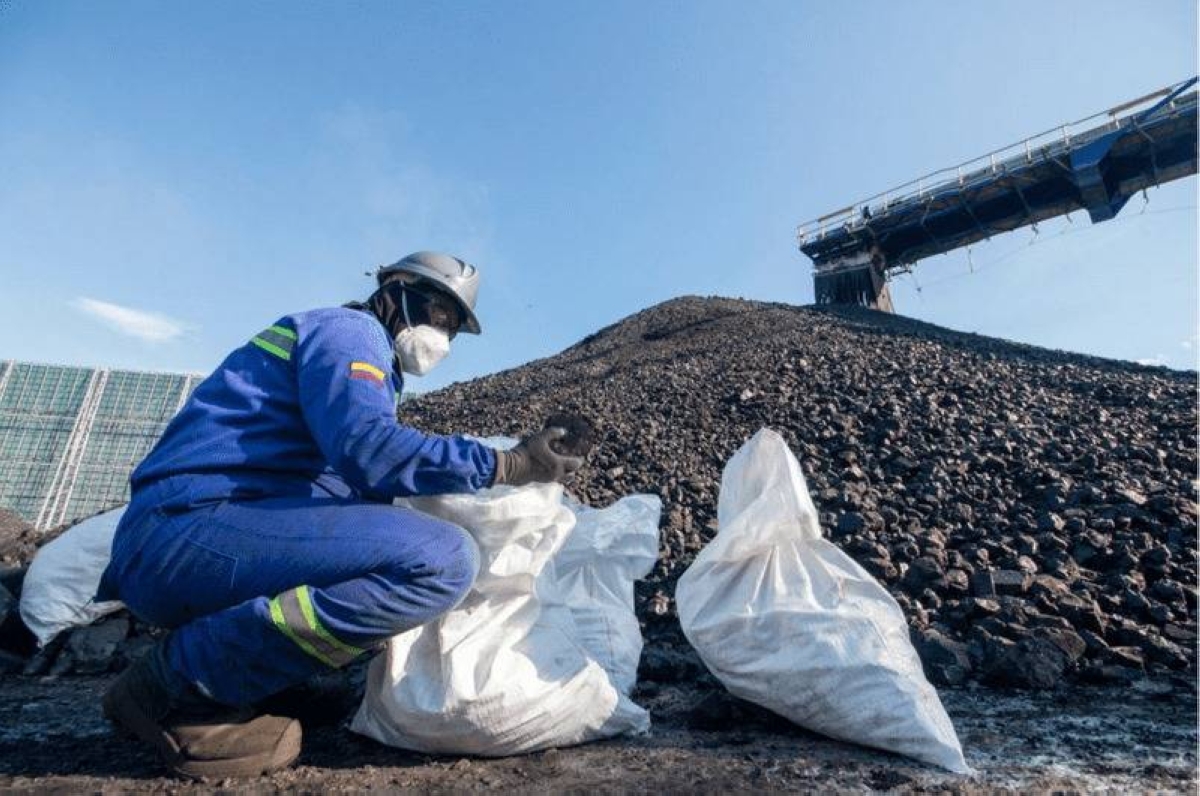
أعلنت الحكومة الكولومبية حظرا شاملا على صادرات الفحم إلى إسرائيل، في خطوة وُصفت بأنها رد فعل مباشر على العمليات العسكرية الإسرائيلية في قطاع غزة، وفي سياق تصاعد التوترات الدبلوماسية بين كولومبيا وإسرائيل، إذ سبق أن قطعت كولومبيا علاقاتها الدبلوماسية مع إسرائيل في مايو 2024، مُتهمة إياها بارتكاب «إبادة جماعية» ضد الفلسطينيين.
ويُعد الفحم الكولومبي مصدرا رئيسيا لإسرائيل، إذ شكّل حوالى 50-60% من وارداتها من الفحم في 2023، بقيمة تجاوزت 320 مليون دولار في الأشهر الثمانية الأولى من العام، وفقا لإحصائيات رسمية إسرائيلية.
واستند قرار السلطات الكولومبية إلى مزاعم بأن الفحم الكولومبي يُستخدم في تصنيع الأسلحة التي تُوجه ضد الفلسطينيين، وهو ما أكده الرئيس الكولومبي جوستافو بيترو في منشور على منصة «إكس»، قائلا: «الفحم الكولومبي يُستخدم لصنع قنابل يُقتل بها أطفال فلسطين».
واستشهدت الحكومة الكولومبية على موقفها بقرارات المحكمة الجنائية الدولية التي أصدرت مذكرات توقيف بحق رئيس الوزراء الإسرائيلي بنيامين نتنياهو ووزير دفاعه السابق يوآف جالانت بتهمة ارتكاب جرائم حرب في حق الشعب الفلسطيني في قطاع غزة، وبآراء المحكمة الدولية التي وصفت الأوضاع في غزة بأنها «إبادة جماعية محتملة».
واتخذت السلطات الكولومبية قرارها رغم تحذيرات الجمعية الكولومبية للتعدين من أن الحظر قد ينتهك الاتفاقيات التجارية الدولية ويؤثر سلبا على الاستثمار الأجنبي، وسط مزاعم بأن تنفيذ الحظر سيواجه تحديات، إذ كشفت تقارير أن شركات مثل «جلينكور» و«دراموند» استمرت في تصدير الفحم إلى إسرائيل بموجب عقود سابقة، ما دفع بيترو إلى إصدار أوامر للبحرية الكولومبية في يوليو 2025 لتشديد الرقابة على الشحنات.
وأصدرت الحكومة الكولومبية مرسوما، وقّعه الرئيس بيترو ووزراء الخارجية والمالية والتعدين والتجارة، يحظر تصدير الفحم الحراري إلى إسرائيل، ودخل الحظر حيز التنفيذ، وأوضح المرسوم أن الحظر سيستمر حتى تمتثل إسرائيل لأوامر المحكمة الدولية بوقف العمليات العسكرية في غزة.
وهدد بيترو بإلغاء عقود الشركات التي تنتهك الحظر، وأمر البحرية الكولومبية بمنع أي شحنات متجهة إلى إسرائيل، في المقابل، انتقدت أطراف معارضة في كولومبيا القرار، معتبرة أنه يضر بالاقتصاد الوطني ويفتقر إلى الاتساق مع السياسات الداخلية لمكافحة الاتجار بالمخدرات.
The Colombian government announced a comprehensive ban on coal exports to Israel, in a move described as a direct reaction to Israeli military operations in the Gaza Strip, amid escalating diplomatic tensions between Colombia and Israel. Colombia had previously severed its diplomatic relations with Israel in May 2024, accusing it of committing "genocide" against the Palestinians.
Colombian coal is a major source for Israel, accounting for about 50-60% of its coal imports in 2023, with a value exceeding $320 million in the first eight months of the year, according to official Israeli statistics.
The decision by Colombian authorities was based on allegations that Colombian coal is used in the manufacture of weapons directed against the Palestinians, a claim confirmed by Colombian President Gustavo Petro in a post on the "X" platform, stating: "Colombian coal is used to make bombs that kill Palestinian children."
The Colombian government cited the International Criminal Court's decisions, which issued arrest warrants against Israeli Prime Minister Benjamin Netanyahu and his former Defense Minister Yoav Galant for committing war crimes against the Palestinian people in the Gaza Strip, and the court's opinions that described the situation in Gaza as "potential genocide."
The Colombian authorities made their decision despite warnings from the Colombian Mining Association that the ban could violate international trade agreements and negatively impact foreign investment, amid claims that implementing the ban would face challenges. Reports revealed that companies like "Glencore" and "Drummond" continued to export coal to Israel under previous contracts, prompting Petro to issue orders to the Colombian Navy in July 2025 to tighten control over shipments.
The Colombian government issued a decree, signed by President Petro and the ministers of foreign affairs, finance, mining, and trade, banning the export of thermal coal to Israel, which took effect immediately. The decree clarified that the ban would continue until Israel complies with the International Court's orders to cease military operations in Gaza.
Petro threatened to cancel contracts with companies that violate the ban and ordered the Colombian Navy to prevent any shipments heading to Israel. In contrast, opposition parties in Colombia criticized the decision, arguing that it harms the national economy and lacks consistency with domestic policies to combat drug trafficking.