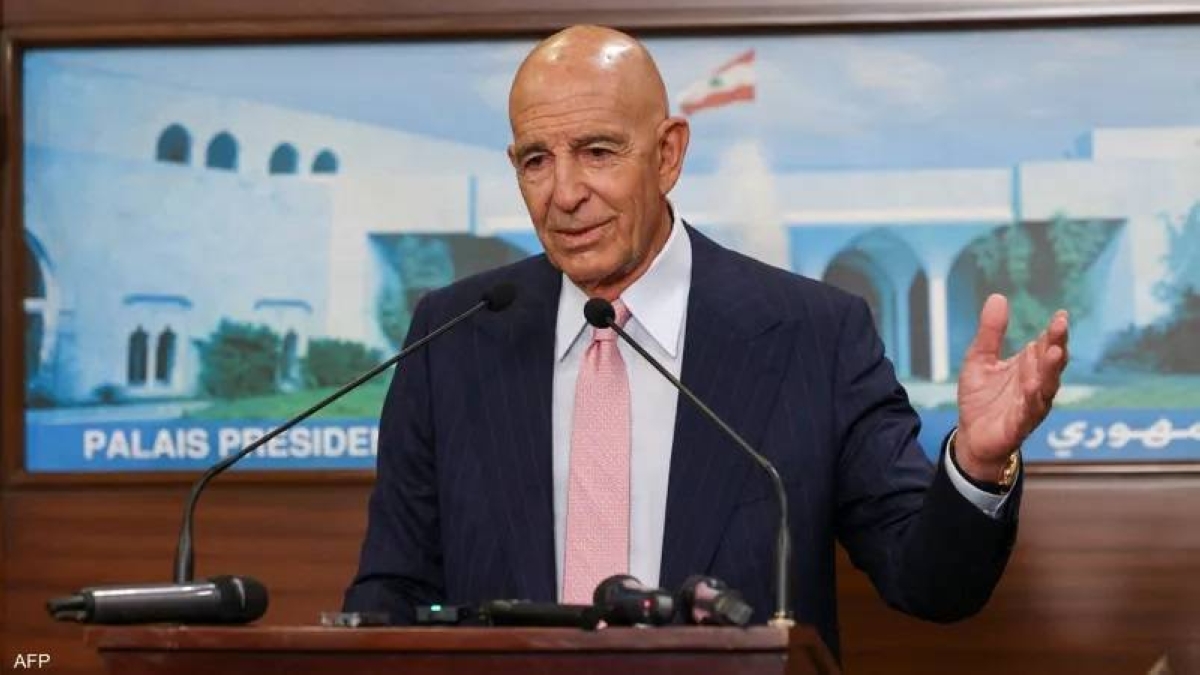
أثار المبعوث الأمريكي توم برّاك اليوم (الثلاثاء) غضب الصحفيين اللبنانيين الذين شاركوا في مؤتمره الصحفي عقب لقائه الرئيس اللبناني جوزيف عون في قصر بعبدا الرئاسي حينما وصفهم بـ«الحيوانات».
وأفادت مصادر صحفية لبنانية أن أصوات الصحفيين تعالت وتداخلت أسئلتهم ببعضها البعض، لينفعل برّاك ويطالبهم بالتزام الصمت للحظات وهدد بالانسحاب قائلاً للصحفيين: «في اللحظة التي يصبح فيها الوضع فوضوياً وحيوانياً، سنرحل»، مطالباً بضرورة التعامل بتحضر ولطف وتسامح وأن لا يحولوا المؤتمر الصحفي إلى أشبه بما يحدث في الشرق الأوسط عامةً، ملمحاً إلى أن السبب نفسه يقف وراء الأمرين.
ولقيت هذه التصريحات استياء كبيراً في أوساط الصحفيين اللبنانيين، وطالبت نقابة محرري الصحافة اللبنانية براك ووزارة الخارجية الأمريكية بإصدار بيان اعتذار علني إلى الجسم الإعلامي اللبناني، محذرة من أن تجاهل هذا المطلب قد يدفعهم إلى اتخاذ خطوات تصعيدية.
وقالت النقابة: مرة جديدة يتعرّض فيها الإعلام اللبناني لمعاملة أقل ما يقال فيها إنها خارجة عن أصول اللياقة والديبلوماسية والمؤسف أكثر أنها صدرت عن مبعوث دولة عظمى يقوم بدور ديبلوماسي على ما هو معروف، متوعدة بمقاطعة اجتماعات ولقاءات وزيارات الموفد الأمريكي كخطوة أولى على طريق التزامه بأن كرامة الصحافة والصحفيين ليست رخيصة ولا يمكن لأي موفد مهما علت درجته أن يتجاوزها.
بدورها، كتبت الرئاسة اللبنانية، على حسابها في «إكس»: تأسف رئاسة الجمهورية للكلام الذي صدر عن منبرها من قبل أحد ضيوفها اليوم، وهي إذ تشدد على احترامها المطلق لكرامة الشخص الإنساني بشكل عام، يهمها أن تجدد تقديرها الكامل لجميع الصحفيين والمندوبين الإعلاميين المعتمدين لديها بشكل خاص، وتوجه إليهم كل التحية على جهودهم وتعبهم لأداء واجبهم المهني والوطني.
The American envoy Tom Barrack sparked anger among Lebanese journalists today (Tuesday) during his press conference following his meeting with Lebanese President Joseph Aoun at the Baabda presidential palace when he referred to them as "animals."
Lebanese press sources reported that the voices of the journalists rose and their questions overlapped with one another, prompting Barrack to become agitated and demand that they remain silent for a moment, threatening to withdraw by telling the journalists: "The moment the situation becomes chaotic and animalistic, we will leave," insisting on the need to conduct themselves with civility, kindness, and tolerance, and not to turn the press conference into something resembling what happens in the Middle East in general, hinting that the same reason underlies both situations.
These statements were met with significant discontent among Lebanese journalists, and the Lebanese Press Editors Syndicate called on Barrack and the U.S. State Department to issue a public apology to the Lebanese media body, warning that ignoring this demand could lead them to take escalatory measures.
The syndicate stated: "Once again, the Lebanese media is subjected to treatment that can only be described as lacking in decorum and diplomacy, and what is more regrettable is that it came from an envoy of a superpower performing a diplomatic role as is well known," threatening to boycott meetings, encounters, and visits of the American envoy as a first step toward affirming that the dignity of the press and journalists is not cheap and cannot be overlooked by any envoy, no matter how high their rank.
For its part, the Lebanese presidency wrote on its account on "X": "The Presidency of the Republic regrets the remarks made from its platform by one of its guests today, and while it emphasizes its absolute respect for human dignity in general, it is important for it to renew its full appreciation for all journalists and accredited media representatives in particular, and extends its greetings to them for their efforts and hard work in fulfilling their professional and national duties."