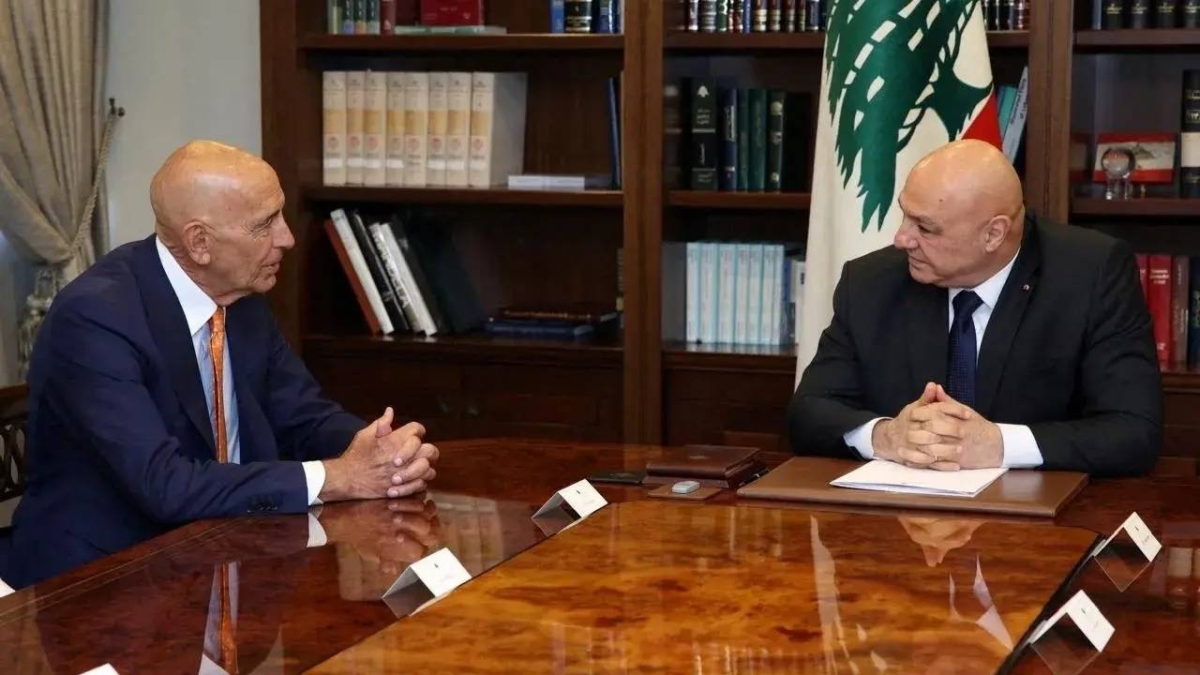
يصل الموفد الأمريكي توم براك إلى بيروت، مساء اليوم (الإثنين)، ترافقه السفيرة مورغان أورتاغوس ووفد من الكونغرس، في جولة تستكمل المساعي التي بدأها خلال الأسابيع الماضية لتثبيت وقف الأعمال العدائية على الجبهة الجنوبية.
ويبدأ براك لقاءاته الرسمية صباح غد الثلاثاء من قصر بعبدا حيث يستقبله الرئيس جوزيف عون، ثم يجتمع برئيس الحكومة نواف سلام على مأدبة غداء، قبل أن يلتقي رئيس مجلس النواب نبيه بري في ختام يومه.
وتتركز الزيارة هذه المرة على إبلاغ المسؤولين اللبنانيين بالموقف الإسرائيلي الرسمي من الورقة الأمريكية التي طرحها براك، بعدما تجنبت بيروت التعليق على التسريبات بانتظار الرد المكتوب. ويُنظر إلى هذا الجواب باعتباره العامل الأساسي الذي سيرسم ملامح المرحلة القادمة، سواء لجهة تعزيز التهدئة أو إبقاء الوضع معلقًا على احتمالات التصعيد.
في الداخل،أعلن حزب الله وحركة أمل، تأجيل الوقفة الاحتجاجية التي كانت مقررة بعد غد (الأربعاء)، في ساحة رياض الصلح. واعتبر الثنائي الشيعي في بيان، أن هذا التراجع يأتي انطلاقاً من المسؤولية الوطنية التي تفرضها المرحلة الراهنة، وتلبيةً لتمنيات المرجعيات الوطنية الحريصة على وحدة الموقف وصون الاستقرار، وإفساحاً للمجال أمام حوار معمق وبناء حول القضايا المصيرية التي تواجه وطننا، وقطع الطريق على أي محاولة لزعزعة الاستقرار.
وكان الثنائئ أعلنا عن تحرك شعبي اعتراضاً على ما يعتبراه تغييباً للتوازنات الوطنية في مقررات الحكومة الأخيرة. التحرك يأتي كرسالة واضحة بأن أي تفاهمات خارجية لا يمكن أن تمرّ ما لم تُرفق بغطاء داخلي يعكس التوازن السياسي القائم.
تُقرأ زيارة براك على أنها استمرار للانخراط الأمريكي المباشر في إدارة الملف اللبناني، ليس فقط من موقع الوسيط، بل أيضاً كمتابع لصيق لمسار الأحداث عبر مشاركة وفد من الكونغرس. الرد الإسرائيلي الذي سيبلغه إلى بعبدا سيشكل العنصر الأكثر حساسية، لأنه سيكشف ما إذا كان هناك استعداد فعلي للانتقال من وقف هش للأعمال العدائية إلى ترتيبات أوسع وأكثر استقرارًا.
لكن هذا البعد الخارجي يترافق مع تعقيدات الداخل. فالحكومة تسعى إلى تقديم نفسها شريكاً مقبولاً في المساعي الدولية، فيما يسعى الثنائي الشيعي إلى فرض معادلة مفادها أن أي اتفاق لا يحظى بموافقة القوى الأساسية لن يكون ثابتاً أو قابلاً للتنفيذ. وبين هذين المسارين، تبدو الساحة اللبنانية مقبلة على توازن دقيق بين ما يُحاك في الخارج وما سيفرضه الثنائي في الداخل.
بين انتظارات الغد وضغوط بعد غد، يدخل لبنان أسبوعاً محملاً بالأسئلة أكثر مما يحمل من أجوبة، حيث يتزامن البحث عن ضمانات في الجنوب مع تصاعد الاعتراض في قلب العاصمة، بما يعكس صورة بلد يفاوض على جبهتين: جبهة الحدود وجبهة الداخل.
The American envoy Tom Barak arrives in Beirut this evening (Monday), accompanied by Ambassador Morgan Ortagus and a delegation from Congress, on a tour that continues the efforts he began in recent weeks to solidify the ceasefire on the southern front.
Barak will start his official meetings tomorrow morning, Tuesday, at the Baabda Palace, where he will be received by President Joseph Aoun. He will then meet with Prime Minister Nawaf Salam for a lunch gathering, before concluding his day with a meeting with Speaker of the House Nabih Berri.
This visit focuses on informing Lebanese officials of the official Israeli stance on the American paper presented by Barak, after Beirut refrained from commenting on the leaks while awaiting a written response. This answer is viewed as the key factor that will shape the contours of the upcoming phase, whether in terms of enhancing the calm or keeping the situation suspended on the possibilities of escalation.
Domestically, Hezbollah and the Amal Movement announced the postponement of the protest that was scheduled for the day after tomorrow (Wednesday) in Riad al-Solh Square. The Shiite duo stated in a statement that this retreat comes from the national responsibility imposed by the current phase, in response to the wishes of national references keen on maintaining a unified stance and preserving stability, and to allow for in-depth and constructive dialogue on the existential issues facing our country, while cutting off any attempt to destabilize.
The duo had announced a popular movement in objection to what they consider the marginalization of national balances in the recent government decisions. This movement comes as a clear message that any external agreements cannot pass unless accompanied by internal support that reflects the existing political balance.
Barak's visit is read as a continuation of direct American engagement in managing the Lebanese file, not only from the position of a mediator but also as a close observer of the events through the participation of a congressional delegation. The Israeli response that he will convey to Baabda will be the most sensitive element, as it will reveal whether there is a real willingness to move from a fragile ceasefire to broader and more stable arrangements.
However, this external dimension is accompanied by internal complexities. The government seeks to present itself as an acceptable partner in international efforts, while the Shiite duo aims to impose a formula that any agreement lacking the approval of the main forces will not be stable or executable. Between these two paths, the Lebanese arena seems poised for a delicate balance between what is being plotted abroad and what the duo will impose domestically.
Amid expectations for tomorrow and pressures for the day after, Lebanon enters a week filled with more questions than answers, as the search for guarantees in the south coincides with rising dissent in the heart of the capital, reflecting a picture of a country negotiating on two fronts: the border front and the internal front.