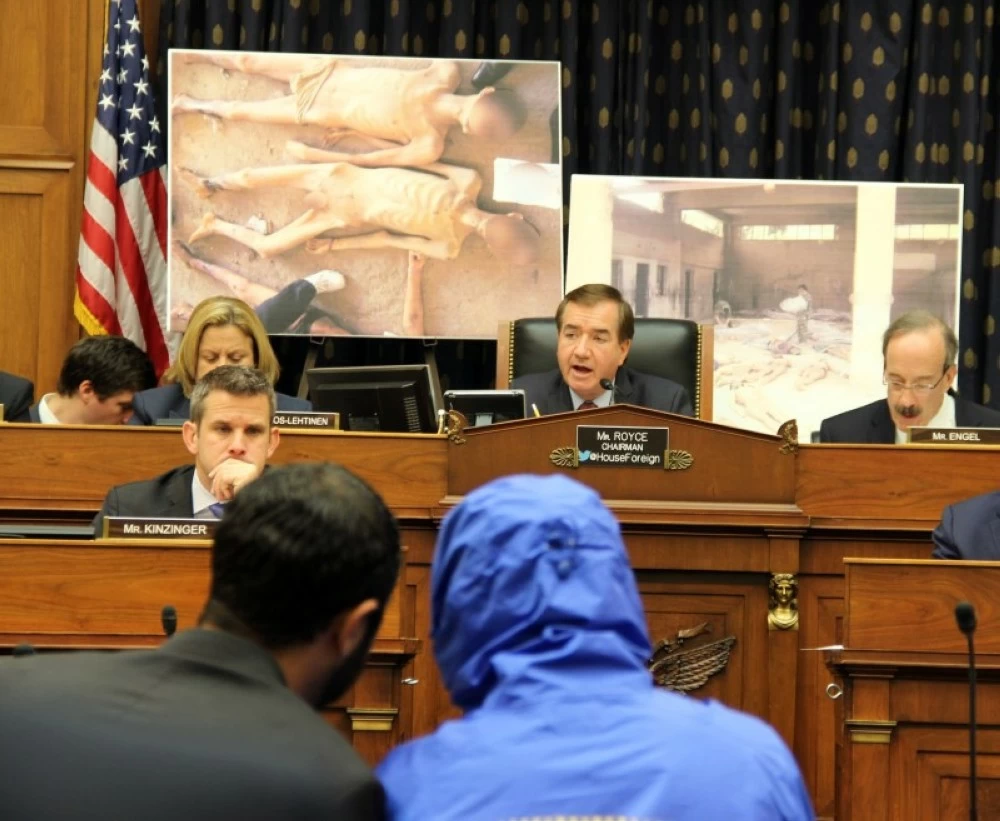
شغل تسريب آلاف الصور التي تظهر مجددا الفظاعات التي كانت ترتكب بحق المعتقلين في سجون نظام بشار الأسد، السوريين على مواقع التواصل الاجتماعي.
أرشيف صور ضخم
ووثق أرشيف ضخم ربما يفوق أرشيف ملف «قيصر»، أكثر من 70 ألف صورة التقطها مصورو الشرطة العسكرية السورية لتوثيق الوفيات في السجون، معظمها بين عامي 2015 وحتى سقوط النظام في 8 ديسمبر من العام الماضي.
هذا التسريب، دفع المساعد أول فريد المذهان، المعروف بـ «قيصر»، والذي سبق أن سرب آلاف الصور التي تدين جرائم الأسد ضد المعتقلين ، إلى مخاطبة وزارة العدل السورية، والهيئة الوطنية للمفقودين، متحدثاً عن ظاهرة مؤلمة ومخزية انتشرت منذ سقوط النظام السابق.
وقال في منشور له، اليوم (الجمعة): إنه رغم الامتنان والتقدير لجهود وعمل بعض المؤسسات الإعلامية والمنظمات الإنسانية والحقوقية التي لا شك في نزاهتها في إظهار الحقيقة، لكن تسريب معلومات ووثائق يُروج لها على أنها بطولات لأشخاص كانوا يعملون في أجهزة نظام الأسد من أطباء وضباط وعناصر أمنيين وعسكريين، أمر غير مقبول.
هؤلاء ركاب الموجة
وأضاف المذهان أن الادعاء كذباً أن المسربين عملوا وجنَدوا خلال سنوات الثورة لصالح جهات ومنظمات حقوقية وإنسانية وإعلامية دولية، ومنحهم صفات مثل «الشجعان» و«منشقِّين»، أمر خاطئ، لأنهم في الحقيقة لم ينشقوا يوماً كما يزعمون، بل ظلّوا أوفياء لآلة القتل طوال سنوات الثورة، بحسب قوله.
ولفت إلى أن منهم من بقي يمارس «أفعالاً إجرامية» حتى يوم السقوط وهروب الأسد، ثم قرروا ركوب الموجة حاملين معهم آلاف الوثائق والمستندات والصور.
واتهم المذهان هؤلاء بأنهم لم يحملوا تلك الوثائق والصور نصرة لقضية المعتقلين أو خدمة للعدالة، بل عرضوها في سوق السياسة والإعلام للمقايضة لمنحهم اللجوء الى إحدى الدول الغربية ليعيشوا بسلام وأمان رغم إجرامهم ودمويتهم، بحسب تعبيره.
وطالب المذهان أن تعمل الحكومة السورية على التنسيق مع المؤسسات الإعلامية والمنظمات الحقوقية الدولية، بحيث لا يصدر أي تصريح أو معلومة أو تسريب يتعلق بهذه الملفات إلا عبر التنسيق والتعاون الوثيق مع وزارة العدل والهيئة الوطنية للمفقودين، موضحاً أن ذلك يأتي حرصاً على تحري الحقيقة أولاً، وصوناً لمشاعر أهالي المفقودين.
ملف دمشق 70 ألف صورة
يذكر أن ما بات يعرف بـ«ملف دمشق» وصل عبر قرص مدمج إلى فريق من الصحفيين من إذاعة شمال ألمانيا (NDR) ومن ثم إلى الاتحاد الدولي للصحافيين الاستقصائيين (ICIJ)، وتضمن أكثر من 70 ألف صورة لآلاف السوريين الذين يشتبه بقتلهم من قبل قوات الأمن السورية.
ووثق صور 10,212 شخصاً ماتوا في الاحتجاز أو بعد نقلهم من السجون إلى المستشفيات العسكرية.
وكشف هذا الأرشيف الذي يعد أكبر من مجموعة الصور السابقة المعروفة باسم «ملفات قيصر» والتي نُشرت عام 2014 عمق المأساة التي حلت بالمعتقلين في السجون خلال عهد الأسد.
وتم تسريب الصور الجديدة من قبل عقيد سابق، كان يرأس وحدة حفظ الأدلة في الشرطة العسكرية بدمشق، وفقاً لـNDR التي قالت إن العقيد شارك الملفات عبر وسطاء بشرط عدم الكشف عن هويته.
وأكدت الصور أن نظام الأسد لم يرتدع حتى بعدما تفجرت قضية قيصر في 2014 وأدت إلى فرض عقوبات أمريكية على النظام السابق. واستمرت عمليات الاعتقال والتعذيب والقتل على نطاق واسع.
The leak of thousands of images that once again reveal the atrocities committed against detainees in the prisons of Bashar al-Assad's regime has taken over social media.
A Massive Archive of Images
A massive archive, possibly exceeding the "Caesar" file, has documented over 70,000 images taken by Syrian military police photographers to record deaths in prisons, most of which occurred between 2015 and the fall of the regime on December 8 of last year.
This leak prompted First Lieutenant Fared Al-Madhhan, known as "Caesar," who had previously leaked thousands of images condemning Assad's crimes against detainees, to address the Syrian Ministry of Justice and the National Commission for the Missing, speaking about a painful and shameful phenomenon that has spread since the fall of the previous regime.
In a post today (Friday), he stated that while he is grateful and appreciative of the efforts and work of some media institutions and humanitarian and rights organizations that are undoubtedly impartial in revealing the truth, the leaking of information and documents promoted as heroic acts by individuals who worked in Assad's regime, including doctors, officers, and security and military personnel, is unacceptable.
These Wave Riders
Al-Madhhan added that the false claim that the leakers worked and were recruited during the years of the revolution for the benefit of international human rights, humanitarian, and media organizations, and were given titles such as "brave" and "defectors," is incorrect, as they have never defected as they claim, but remained loyal to the killing machine throughout the years of the revolution, according to him.
He pointed out that some of them continued to commit "criminal acts" until the day of the regime's fall and Assad's escape, then decided to ride the wave, bringing with them thousands of documents, papers, and images.
Al-Madhhan accused these individuals of not carrying those documents and images in support of the detainees' cause or in service of justice, but rather presenting them in the political and media marketplace in exchange for granting them asylum in one of the Western countries to live in peace and security despite their crimes and bloodshed, as he expressed.
He called for the Syrian government to coordinate with media institutions and international human rights organizations, so that no statement, information, or leak related to these files is issued except through close coordination and cooperation with the Ministry of Justice and the National Commission for the Missing, clarifying that this is to ensure the pursuit of truth first and to preserve the feelings of the families of the missing.
The Damascus File: 70,000 Images
It is noteworthy that what has come to be known as the "Damascus File" reached a team of journalists from Northern Germany's NDR via a CD, and then to the International Consortium of Investigative Journalists (ICIJ), containing over 70,000 images of thousands of Syrians suspected of being killed by Syrian security forces.
The images documented 10,212 individuals who died in custody or after being transferred from prisons to military hospitals.
This archive, which is larger than the previously known collection of images referred to as the "Caesar Files," published in 2014, reveals the depth of the tragedy that befell detainees in prisons during Assad's era.
The new images were leaked by a former colonel who headed the evidence preservation unit in the military police in Damascus, according to NDR, which stated that the colonel shared the files through intermediaries on the condition of anonymity.
The images confirmed that the Assad regime did not refrain even after the Caesar case erupted in 2014, leading to U.S. sanctions on the previous regime. Arrests, torture, and killings continued on a large scale.