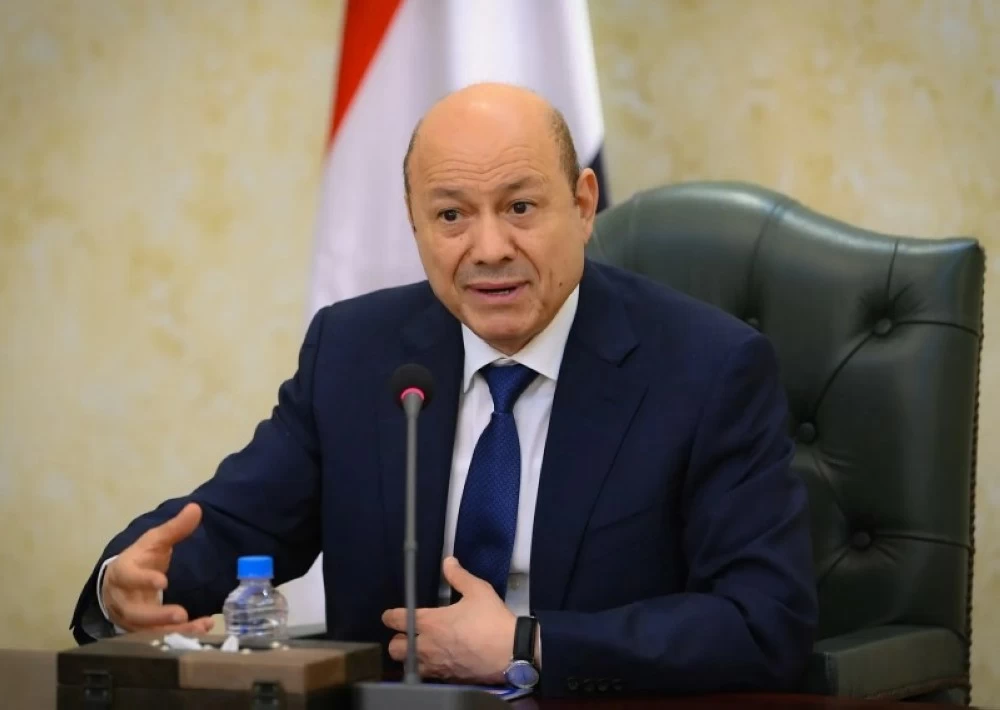
أعلن رئيس مجلس القيادة الرئاسي رشاد العليمي أن الحكومة اليمنية تدعم قيادات حضرموت ومساعي الوساطة لعودة الأوضاع إلى سابق عهدها.
ودعا العليمي في بيان، اليوم (الجمعة)، إلى تغليب مصلحة حضرموت، أكبر محافظات البلاد وأغناها بالنفط، مشدداً على أنها «ركيزة أساسية للاستقرار». وأفاد رئيس مجلس القيادة بأن للدولة المسؤولية الحصرية في حماية المؤسسات وصون مصالح المواطنين، مؤكداً رفضه أي إجراءات أحادية تضر بالأمن والاستقرار وتقوض فرص التعافي الاقتصادي.
وجدد دعمه لقيادة حضرموت ومساعي تمكين أبناء المحافظة من إدارة شؤونهم المحلية.
وجدد العليمي التأكيد على أهمية الالتزام ببنود اتفاق التهدئة الذي قادته المملكة العربية السعودية والبناء عليه وتغليب مصلحة المحافظة.
وتصاعدت التوترات خلال الأيام الماضية بين حلف قبائل حضرموت، وقوات النخبة الحضرمية ووحدات أمنية أخرى، على خلفية انتشار قوات قادمة من خارج المحافظة في مواقع كانت تتولى إدارتها قوات محلية.
وأعلن حلف القبائل سيطرته على منشآت نفطية في حقول المسيلة لحماية الثروات المحلية.
وحذر مسؤولون محليون وقادة عسكريون من أن هذه التحركات قد تفتح باب الفوضى وتهدد باستهداف النسيج الاجتماعي في واحدة من أهم المحافظات النفطية في البلاد، وسط دعوات للتهدئة وتجنب أي خطوات قد تدفع نحو صراع داخلي.
The President of the Presidential Leadership Council, Rashad Al-Alimi, announced that the Yemeni government supports the leaders of Hadhramaut and the mediation efforts to restore the situation to its former state.
Al-Alimi called in a statement today (Friday) to prioritize the interests of Hadhramaut, the largest and richest oil-producing governorate in the country, stressing that it is "a fundamental pillar for stability." The President of the Leadership Council stated that the state has the exclusive responsibility to protect institutions and safeguard the interests of citizens, affirming his rejection of any unilateral actions that harm security and stability and undermine economic recovery opportunities.
He reiterated his support for the leadership of Hadhramaut and efforts to empower the people of the governorate to manage their local affairs.
Al-Alimi also reaffirmed the importance of adhering to the terms of the ceasefire agreement led by the Kingdom of Saudi Arabia and building upon it while prioritizing the interests of the governorate.
Tensions have escalated in recent days between the Hadhramaut Tribal Alliance, the Hadhrami Elite Forces, and other security units, following the deployment of forces from outside the governorate in areas previously managed by local forces.
The Tribal Alliance announced its control over oil facilities in the Al-Masila fields to protect local resources.
Local officials and military leaders warned that these movements could open the door to chaos and threaten the social fabric in one of the country's most important oil-producing governorates, amid calls for de-escalation and avoiding any steps that could lead to internal conflict.