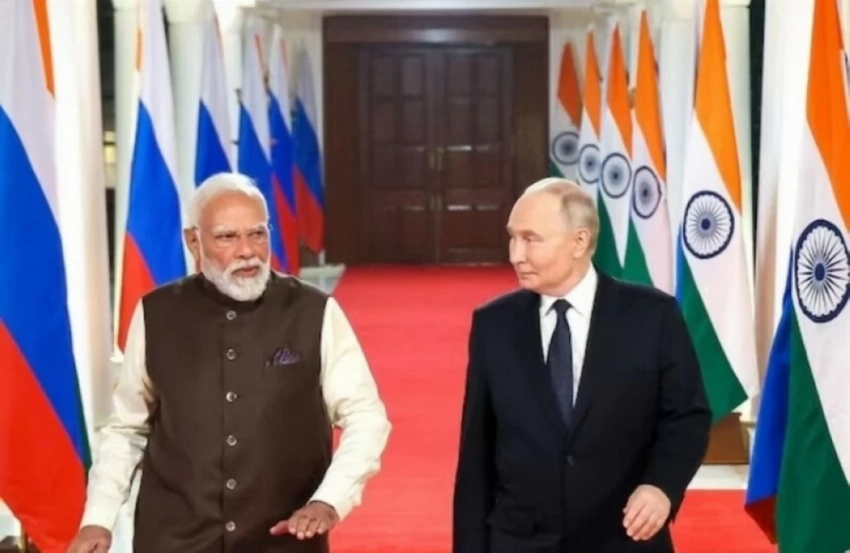
جدد الزعيمان الروسي فلاديمير بوتين والهندي ناريندرا مودي، خلال قمتهما في نيودلهي، اليوم (الجمعة)، التأكيد على عمق واتساق التعاون الإستراتيجي بين البلدين في القضايا الإقليمية والدولية.
وأكدا أن التوافق في الرؤى والمصالح يشكل ركيزة أساسية لشراكة تهدف إلى تعزيز السلام والاستقرار في ظل نظام عالمي متعدد الأقطاب.
الملف الأفغاني
وأعرب الطرفان عن ارتياحهما للتنسيق الفعال بين موسكو ونيودلهي بشأن الملف الأفغاني، من خلال آلية الحوار بين مجالس الأمن، وبما يتجسد في إطار ما يعرف بـ«صيغة موسكو».
وشددا على أهمية التصدي المشترك للتهديدات الإرهابية، من قبل «داعش» و«ولاية خراسان الإسلامية» وفروعهما، مؤكدين أن المكافحة يجب أن تكون شاملة وفعالة، ومرتبطة بضمان تدفق المساعدات الإنسانية العاجلة والمستدامة إلى الشعب الأفغاني.
ملف الشرق الأوسط
جدد الجانبان التزامهما بمبادئ القانون الدولي، داعيين جميع الأطراف إلى ضبط النفس وحماية المدنيين وتجنب أي خطوات قد تؤدي إلى مزيد من التصعيد. وشددا على ضرورة حل الملف النووي الإيراني عبر الحوار والدبلوماسية، وأعربا عن قلق مشترك إزاء الوضع الإنساني في قطاع غزة، مطالبين بتنفيذ الاتفاقيات والتفاهمات المبرمة بين الأطراف المعنية لوقف القتال، وتمكين وصول المساعدات، وبناء سلام دائم وعادل.
مجموعة الـ20 ومنظمة شنغهاي
أكد الزعيمان أهمية مضاعفة الجهود الدولية لمكافحة تغير المناخ، وتحقيق أهداف اتفاق باريس والاتفاقية الإطارية للأمم المتحدة. ورحبا بعقد الاجتماع الأول للفرقة العاملة الروسية-الهندية المشتركة بشأن تغير المناخ والتنمية منخفضة الكربون في 10 سبتمبر 2025 في نيودلهي، في إطار مذكرة التفاهم الثنائية. واتّفقا على تعميق الحوار حول آليات المادة 6 من اتفاق باريس، وتطوير التكنولوجيات النظيفة، وتفعيل أدوات التمويل المستدام.
وأعلن الطرفان مواصلة التنسيق في المحافل متعددة الأطراف، خصوصا في «مجموعة العشرين» و«بريكس» ومنظمة شنغهاي للتعاون، ورحبا بالجهود المشتركة في إطار «المجموعة الاتصالية لبريكس بشأن المناخ والتنمية المستدامة»، بما في ذلك إطلاق «منصة أبحاث المناخ لبريكس» و«مختبر بريكس للتجارة وتغير المناخ». ودعم الطرفان تعزيز هذا التعاون خلال رئاسة الهند لـ«بريكس» في عام 2026.
وجدد البيان التأكيد على طبيعة الشراكة الإستراتيجية «الخاصة والمتميزة» بين روسيا والهند، معتبرين أن التوافق في رؤية السياسة الخارجية، وحرص البلدين -بوصفهما قوتين رائدتين- على دفع عجلة السلام والاستقرار، يعكس التزاماً مشتركاً ليس فقط بآسيا متعددة الأقطاب، بل ببناء عالم أكثر عدلاً وتوازناً.
الرئيس الروسي ورئيس الوزراء الهندي خلال مؤتمر صحفي.
اتفاق تجارة حرة مع الهند
ووصف الرئيس الروسي فلاديمير بوتين، المفاوضات مع رئيس الوزراء الهندي بأنها «عقدت في أجواء بناءة وودية»، لافتا إلى أن موسكو ونيودلهي تعملان على اتفاقية تجارة حرة بين الهند والاتحاد الاقتصادي الأوراسي.
وأعلن أن حجم التجارة بين البلدين وصل إلى مستوى قياسي، مضيفاً أن «روسيا مستعدة لمواصلة ضمان استمرار إمدادات الوقود إلى الهند». وأكد «نحن مصدر طاقة موثوق للهند».
حصة التسويات المتبادلة
وقال بوتين إن محطة كودانكولامي للطاقة النووية في الهند ستساهم مساهمة كبيرة في إمدادات الطاقة للهند، فيما أشار إلى أن مصنع أدوية روسي-هندي مشترك في منطقة كالوجا الروسية سينتج أدوية عالية الجودة لعلاج السرطان.
وتطرق الرئيس الروسي إلى حصة التسويات المتبادلة بين روسيا والهند بالعملات الوطنية قائلاً إنها تبلغ 96%، في حين أبدى ثقته في إمكانية رفع حجم التبادل التجاري بين روسيا والهند إلى 100 مليار دولار.
وأفاد بأنه في عام 2024، ارتفع حجم التبادل التجاري بين روسيا والهند بنسبة 12%، ويبلغ ما بين 64 و65 مليار دولار.
وفي مقابلة مع قناة «إنديا توداي» قال بوتين: «إذا كان من حق الولايات المتحدة شراء وقودنا، فلماذا لا تتمتع الهند بنفس الميزة؟ هذا السؤال يستحق دراسة وافية، ونحن مستعدون لمناقشته (معهم) بما في ذلك مع الرئيس ترمب».
دعم جهود السلام
من جانبه، قال رئيس الوزراء الهندي، لبوتين في مستهل محادثاتهما: «الهند ليست محايدة بل لديها موقف وهو دعم السلام.. نحن ندعم كل الجهود المبذولة من أجل السلام، ونقف جنباً إلى جنب مع كل مبادرة تتخذ من أجل السلام».
برنامج جديد للتعاون الاقتصادي
وأعلن مودي، عقب محادثاته مع بوتين، اتفاق نيودلهي وموسكو على تنفيذ برنامج جديد للتعاون الاقتصادي يمتد حتى العام 2030.
وأكد أن هذه الشراكة الإستراتيجية ستسهم بشكل فعال في تنويع الاقتصادين وجذب استثمارات متعددة القطاعات، ما يعزز من متانتها، مشيراً إلى أن هذا الإطار الزمني الطويل يمهد الطريق لمرحلة جديدة من التعاون الثنائي المتين والمستدام.
وأشاد مودي بالشراكة الإستراتيجية الممتدة على مدى ربع قرن مع روسيا، معتبراً أنها «صمدت وتعمقت» رغم جميع التحديات والتغيرات العالمية.
وأضاف أن المباحثات غطت جميع مجالات التعاون الثنائي بهدف «جعل أساس العلاقات أكثر متانة والارتقاء بها إلى مستوى أرفع»، فيما أكد أن تعزيز الترابط بين بلاده وروسيا يعد أولوية، مشيراً إلى العمل على تفعيل كافة الجوانب المتعلقة بممر النقل الدولي «شمال- جنوب».
وفي إطار التعاون المستقبلي، أشار مودي إلى أن الشراكة في منطقة القطب الشمالي ستحقق منفعة مشتركة، وستساهم في خلق فرص عمل للشباب الهندي.
The Russian leader Vladimir Putin and the Indian leader Narendra Modi reaffirmed during their summit in New Delhi today (Friday) the depth and consistency of the strategic cooperation between the two countries on regional and international issues.
They emphasized that the alignment of visions and interests forms a fundamental pillar for a partnership aimed at enhancing peace and stability in a multipolar global system.
The Afghan File
The two sides expressed their satisfaction with the effective coordination between Moscow and New Delhi regarding the Afghan file, through the dialogue mechanism between security councils, as embodied in what is known as the "Moscow Format."
They stressed the importance of joint action to address terrorist threats from "ISIS" and "Islamic State Khorasan" and their affiliates, affirming that the fight must be comprehensive and effective, linked to ensuring the flow of urgent and sustainable humanitarian aid to the Afghan people.
The Middle East File
The two sides renewed their commitment to the principles of international law, calling on all parties to exercise restraint, protect civilians, and avoid any steps that could lead to further escalation. They emphasized the necessity of resolving the Iranian nuclear file through dialogue and diplomacy, and expressed shared concern over the humanitarian situation in the Gaza Strip, demanding the implementation of agreements and understandings reached between the concerned parties to stop the fighting, enable aid access, and build a lasting and just peace.
The G20 and Shanghai Organization
The leaders affirmed the importance of doubling international efforts to combat climate change and achieve the goals of the Paris Agreement and the UN Framework Convention. They welcomed the holding of the first meeting of the joint Russian-Indian working group on climate change and low-carbon development on September 10, 2025, in New Delhi, under the framework of the bilateral memorandum of understanding. They agreed to deepen the dialogue on the mechanisms of Article 6 of the Paris Agreement, develop clean technologies, and activate sustainable financing tools.
The two sides announced the continuation of coordination in multilateral forums, particularly in the "G20," "BRICS," and the Shanghai Cooperation Organization, and welcomed joint efforts within the framework of the "BRICS Contact Group on Climate and Sustainable Development," including the launch of the "BRICS Climate Research Platform" and the "BRICS Trade and Climate Lab." They supported enhancing this cooperation during India's presidency of "BRICS" in 2026.
The statement reiterated the nature of the "special and privileged" strategic partnership between Russia and India, considering that the alignment in foreign policy vision and the commitment of both countries—as leading powers—to promote peace and stability reflects a shared commitment not only to a multipolar Asia but also to building a fairer and more balanced world.
الرئيس الروسي ورئيس الوزراء الهندي خلال مؤتمر صحفي.
Free Trade Agreement with India
Russian President Vladimir Putin described the negotiations with the Indian Prime Minister as "held in a constructive and friendly atmosphere," noting that Moscow and New Delhi are working on a free trade agreement between India and the Eurasian Economic Union.
He announced that the trade volume between the two countries has reached a record level, adding that "Russia is ready to continue ensuring the supply of fuel to India." He affirmed, "We are a reliable energy supplier for India."
Share of Mutual Settlements
Putin stated that the Kudankulam nuclear power plant in India will make a significant contribution to India's energy supplies, while he pointed out that a joint Russian-Indian pharmaceutical factory in the Kaluga region of Russia will produce high-quality cancer treatment medications.
The Russian president addressed the share of mutual settlements between Russia and India in national currencies, stating that it amounts to 96%, while expressing confidence in the possibility of raising the trade volume between Russia and India to $100 billion.
He reported that in 2024, the trade volume between Russia and India increased by 12%, amounting to between $64 and $65 billion.
In an interview with "India Today," Putin said, "If the United States has the right to buy our fuel, why shouldn't India enjoy the same advantage? This question deserves thorough study, and we are ready to discuss it (with them), including with President Trump."
Supporting Peace Efforts
For his part, Indian Prime Minister Modi told Putin at the beginning of their talks: "India is not neutral but has a position, which is to support peace... We support all efforts made for peace and stand alongside every initiative taken for peace."
New Economic Cooperation Program
Modi announced, following his talks with Putin, that New Delhi and Moscow agreed to implement a new economic cooperation program extending until 2030.
He emphasized that this strategic partnership will effectively contribute to diversifying the economies and attracting multi-sector investments, thereby enhancing their resilience, noting that this long timeframe paves the way for a new phase of strong and sustainable bilateral cooperation.
Modi praised the strategic partnership that has lasted for a quarter of a century with Russia, considering that it has "withstood and deepened" despite all challenges and global changes.
He added that the discussions covered all areas of bilateral cooperation with the aim of "making the foundation of relations more robust and elevating them to a higher level," while affirming that enhancing connectivity between his country and Russia is a priority, pointing to efforts to activate all aspects related to the international transport corridor "North-South."
In the context of future cooperation, Modi noted that partnership in the Arctic region will achieve mutual benefit and contribute to creating job opportunities for Indian youth.