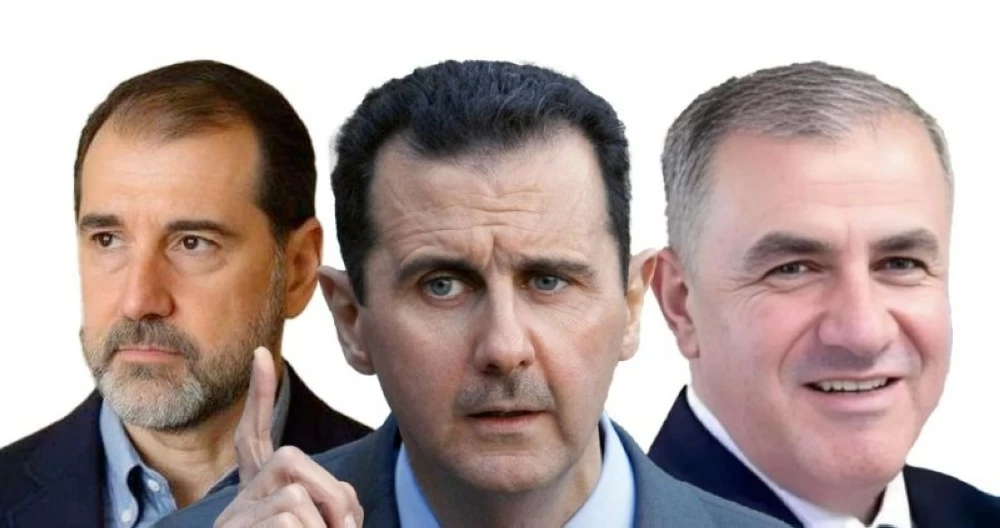
كشفت وكالة «رويترز» اليوم (الجمعة)، عن تفاصيل مؤامرة مثيرة للقلق تُدبر من المنفى في موسكو، حيث ينفق رئيس الاستخبارات العسكرية السابق لنظام بشار الأسد، اللواء كمال حسن، وابن عم الأسد الملياردير رامي مخلوف، ملايين الدولارات في جهود متعارضة لبناء قوات قتالية تهدف إلى قيادة انتفاضة على الساحل السوري.
رامي مخلوف
وبحسب «رويترز» يتنافس الرجلان على السيطرة على شبكة من 14 غرفة قيادة تحت الأرض، مملوءة بالأسلحة والذخيرة، بُنيت في الأيام الأخيرة للديكتاتورية، بالإضافة إلى مخازن أسلحة سرية.
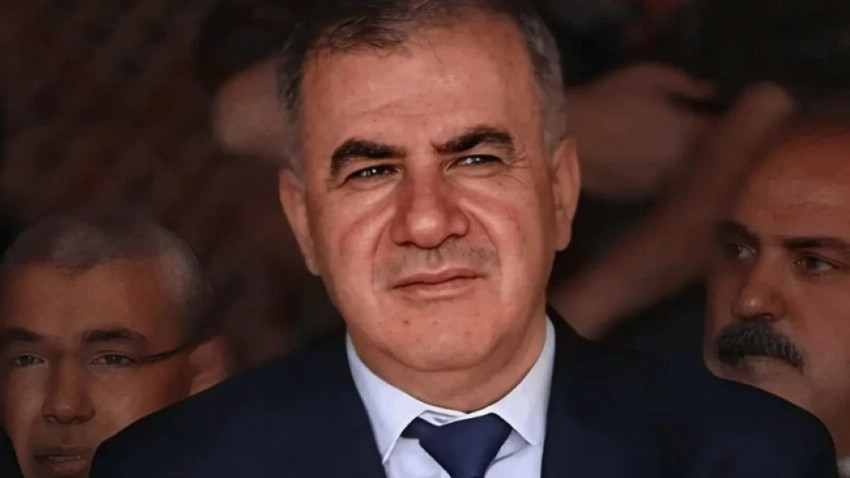
كمال حسن اللواء السابق في نظام الأسد
وفي الوقت نفسه، نشرت الحكومة السورية الجديدة، برئاسة أحمد الشرع، عميل الأسد سابقًا وصديق طفولة للرئيس الجديد، خالد الأحمد، لتحييد هذه المخططات من خلال إقناع الجنود والمدنيين العلويين بأن مستقبلهم مع سورية الجديدة.
وبعد سقوط نظام بشار الأسد في ديسمبر 2024، الذي فرّ إلى روسيا حيث استقر في المنفى، رفضت بعض الشخصيات البارزة من حلقته الداخلية الاستسلام لفقدان السلطة.
ويُعتبر كمال حسن، الذي كان يدير نظام الاعتقال العسكري الذي اشتهر بابتزاز العائلات، وأشرف على نقل مقابر جماعية لإخفاء جرائم النظام، أحد أبرز هؤلاء، أما رامي مخلوف، فسيطر على اقتصاد سورية لأكثر من عقدين، وتملك إمبراطورية أعمال في الاتصالات والبناء والسياحة، بقيمة تفوق المليار دولار وفقًا لتقديرات الحكومة البريطانية.
ودعم مخلوف الجيش السوري خلال الحرب الأهلية التي اندلعت في 2011، لكنه وقع في غضب العائلة عام 2019، مما أدى إلى مصادرة أعماله ووضعه تحت الإقامة الجبرية لسنوات.
وفر مخلوف إلى لبنان في 8 ديسمبر 2024، بينما قُتل شقيقه إيهاب قرب الحدود أثناء محاولة الهروب، محملًا بملايين الدولارات نقدًا.
اليوم، يعيشان في موسكو، حسن في فيلا فاخرة، ومخلوف في طابق خاص بفنادق راديسون تحت حراسة مشددة.
ويرى حسن نفسه قائدًا عسكريًا يرسل رسائل صوتية يغضب فيها من فقدان نفوذه، ويصف رؤى طموحة لحكم الساحل السوري، الذي يُعدّ قاعدة العلويين الذين يشكلون أقلية مسلمة بنسبة 10% من السكان، مرتبطة تاريخيًا بعائلة الأسد.
تفاصيل المؤامرة
كشفت «رويترز»، بناءً على مقابلات مع 48 شخصًا على دراية مباشرة، ووثائق مالية وتشغيلية ورسائل صوتية ونصية، أن الرجلين وفصائل أخرى يمولون أكثر من 50 ألف مقاتل محتمل، معظمُهم علويون، لكسب ولائهم في الساحل السوري ولبنان.
ويدّعي حسن السيطرة على 12 ألف مقاتل، بينما يزعم مخلوف قيادة 54 ألفًا، مقسمين إلى 80 كتيبة في حمص وحماة وطرطوس واللاذقية، بموجب وثائق داخلية.
لكن قادة ميدانيين أكدوا أن هذه الأرقام مبالغ فيها، وأن الرواتب ضئيلة (20 - 30 دولارًا شهريًا لكل مقاتل)، وأن الكثيرين يتلقون أموالًا من الجانبين دون مشكلة، وسط الفقر المدقع الذي يعانيه آلاف العلويين السابقين في الجيش أو الوظائف الحكومية.
وأنفق مخلوف على الأقل 6 ملايين دولارعلى الرواتب منذ مارس 2025، عبر ضابطين سوريين بارزين: سهيل حسن وقحطان خليل، اللذين يديران نقل الأموال من لبنان والإمارات وروسيا.
كما حاول توفير أسلحة من مخازن مخفية تعود لعهد الأسد، ومناقشات مع مهربين لشراء جديدة، لكن لم يتم التحقق من التسليم.
أما حسن، فقد أنفق 1.5 مليون دولار على 12 ألف مقاتل، وأنشأ جمعية خيرية وهمية تطوير غرب سورية لكسب تأييد علوي، بالإضافة إلى تجنيد 30 هاكرًا سابقًا لشن هجمات إلكترونية على الحكومة الجديدة، حيث بِيع بيانات وزارات الاتصالات والصحة على الويب المظلم بـ150 - 500 دولار.
الجائزة الكبرى هي السيطرة على 14 غرفة قيادة تحت الأرض على طول 180 كيلومترًا في الساحل، مجهزة بأسلحة AK-47 وقنابل يدوية وكمبيوترات وطاقة شمسية وخرائط.
وأكد اثنان من الضباط وحاكم إقليمي وجودها، وأظهرت صور رأتها «رويترز» محتوياتها.
خطط أولية في يناير 2025 رسمت قوة شبه عسكرية من 5780 مقاتلًا، لكنها لم تُنفذ، والغرف تعمل لكنها خاملة.
وقال قائد يراقبها: "هذه الشبكة جزيرة الكنز، وهم جميعًا سفن تحاول الوصول إليها".
رد الحكومة السورية
حذّر حاكم طرطوس أحمد الشامي من أن السلطات على علم بالخطط، لكنها ضعيفة وغير فعالة، وقد ضُعفت الغرف بشكل كبير منذ "التحرير".
وأرسلت دمشق خالد الأحمد، الذي تحول إلى قائد شبه عسكري للأسد ثم انشق، لإقناع العلويين بالاندماج.
وقال الباحث أنسار شهود، الذي درس الديكتاتورية لأكثر من عقد: "هذا امتداد لنضال السلطة في نظام الأسد، لكن الهدف الآن البحث عن بديل له والسيطرة على المجتمع العلوي". تأتي هذه المخططات وسط توترات طائفية متصاعدة، بعد فشل انتفاضة علوية في مارس 2025 في ريف اللاذقية، أسفرت عن مقتل 1500 مدني على يد قوات الحكومة، وغارات يومية واختطافات.
واندلعت احتجاجات كبرى في 25 نوفمبر 2025 في حمص والساحل، مطالبة بالاستقلال والإفراج عن معتقلين، بقيادة عالم دين معارض للرجلين.
يُخشى أن تؤدي انتفاضة إلى زعزعة الحكومة الجديدة، التي يدعمها الولايات المتحدة والقوى الإقليمية، وإشعال عنف طائفي جديد في بلد دُمِرَتْ حرب أهلية دامت 14 عامًا. لكن الاحتمالات ضعيفة: الرجلان متخاصمان، وتتلاشى آمالهما في دعم روسي، ويخشى العلويون الانتقام.
أما الداخلية اللبنانية والخارجية الروسية، فلم ترد على طلبات التعليق، بينما أكد مسؤول إماراتي التزام بلاده بمنع الاستخدامات غير الشرعية لأراضيها.
Reuters revealed today (Friday) details of a troubling conspiracy being orchestrated from exile in Moscow, where former military intelligence chief of Bashar al-Assad's regime, General Kamal Hassan, and Assad's cousin billionaire Rami Makhlouf are spending millions of dollars in conflicting efforts to build combat forces aimed at leading an uprising on the Syrian coast.
كمال حسن اللواء السابق في نظام الأسد
According to Reuters, the two men are competing for control over a network of 14 underground command rooms filled with weapons and ammunition, built in the final days of the dictatorship, in addition to secret weapons caches.
Meanwhile, the new Syrian government, headed by Ahmad al-Shara, a former Assad agent and childhood friend of the new president, Khaled Ahmad, is working to neutralize these plans by convincing Alawite soldiers and civilians that their future lies with the new Syria.
After the fall of Bashar al-Assad's regime in December 2024, who fled to Russia where he settled in exile, some prominent figures from his inner circle refused to surrender to the loss of power.
Kamal Hassan, who managed the military detention system notorious for extorting families and oversaw the transfer of mass graves to conceal the regime's crimes, is one of the most prominent of these figures. Rami Makhlouf, on the other hand, has controlled Syria's economy for over two decades, owning a business empire in telecommunications, construction, and tourism, valued at over a billion dollars according to British government estimates.
Makhlouf supported the Syrian army during the civil war that erupted in 2011, but fell out of favor with the family in 2019, leading to the confiscation of his businesses and placing him under house arrest for years.
Makhlouf fled to Lebanon on December 8, 2024, while his brother Ihab was killed near the border during an escape attempt, carrying millions of dollars in cash.
Today, they live in Moscow, Hassan in a luxury villa, and Makhlouf in a private floor of Radisson hotels under heavy guard.
Hassan sees himself as a military leader sending voice messages expressing his anger over the loss of his influence, describing ambitious visions for ruling the Syrian coast, which is considered the base of the Alawites, who make up a 10% Muslim minority of the population, historically linked to the Assad family.
Details of the Conspiracy
Reuters, based on interviews with 48 individuals with direct knowledge, and financial and operational documents, as well as voice and text messages, revealed that the two men and other factions are funding over 50,000 potential fighters, most of whom are Alawite, to win their loyalty in the Syrian coast and Lebanon.
Hassan claims to control 12,000 fighters, while Makhlouf claims to lead 54,000, divided into 80 battalions in Homs, Hama, Tartus, and Latakia, according to internal documents.
However, field leaders confirmed that these numbers are exaggerated, and that salaries are meager (20 - 30 dollars per month for each fighter), with many receiving money from both sides without issue, amid the extreme poverty faced by thousands of former Alawites in the army or government jobs.
Makhlouf has spent at least 6 million dollars on salaries since March 2025, through two prominent Syrian officers: Suhail Hassan and Qahtan Khalil, who manage the transfer of funds from Lebanon, the UAE, and Russia.
He has also attempted to provide weapons from hidden caches dating back to the Assad era, and discussions with smugglers to purchase new ones, but delivery has not been verified.
As for Hassan, he has spent 1.5 million dollars on 12,000 fighters and created a fake charity called "Developing Western Syria" to gain Alawite support, in addition to recruiting 30 former hackers to launch cyberattacks on the new government, where data from the ministries of communications and health was sold on the dark web for 150 - 500 dollars.
The grand prize is control over 14 underground command rooms along 180 kilometers of the coast, equipped with AK-47s, grenades, computers, solar power, and maps.
Two officers and a regional governor confirmed their existence, and photos seen by Reuters showed their contents.
Initial plans in January 2025 outlined a paramilitary force of 5,780 fighters, but this was not implemented, and the rooms are operational but inactive.
A commander monitoring them said, "This network is Treasure Island, and they are all ships trying to reach it."
Syrian Government Response
Tartus Governor Ahmad al-Shami warned that the authorities are aware of the plans, but they are weak and ineffective, and the command rooms have been significantly weakened since the "liberation."
Damascus sent Khaled Ahmad, who became a paramilitary leader for Assad and then defected, to persuade the Alawites to integrate.
Researcher Ansar Shahoud, who has studied the dictatorship for over a decade, stated: "This is an extension of the power struggle in the Assad regime, but the goal now is to find an alternative to him and control the Alawite community." These plans come amid rising sectarian tensions, following the failure of an Alawite uprising in March 2025 in rural Latakia, which resulted in the deaths of 1,500 civilians at the hands of government forces, daily raids, and kidnappings.
Major protests erupted on November 25, 2025, in Homs and the coast, demanding independence and the release of detainees, led by a cleric opposed to the two men.
There are fears that an uprising could destabilize the new government, which is supported by the United States and regional powers, and ignite new sectarian violence in a country that has been ravaged by a 14-year civil war. However, the odds are slim: the two men are rivals, their hopes for Russian support are fading, and the Alawites fear retribution.
As for the Lebanese interior and the Russian foreign ministries, they did not respond to requests for comment, while an Emirati official confirmed his country’s commitment to preventing the illegal uses of its territory.