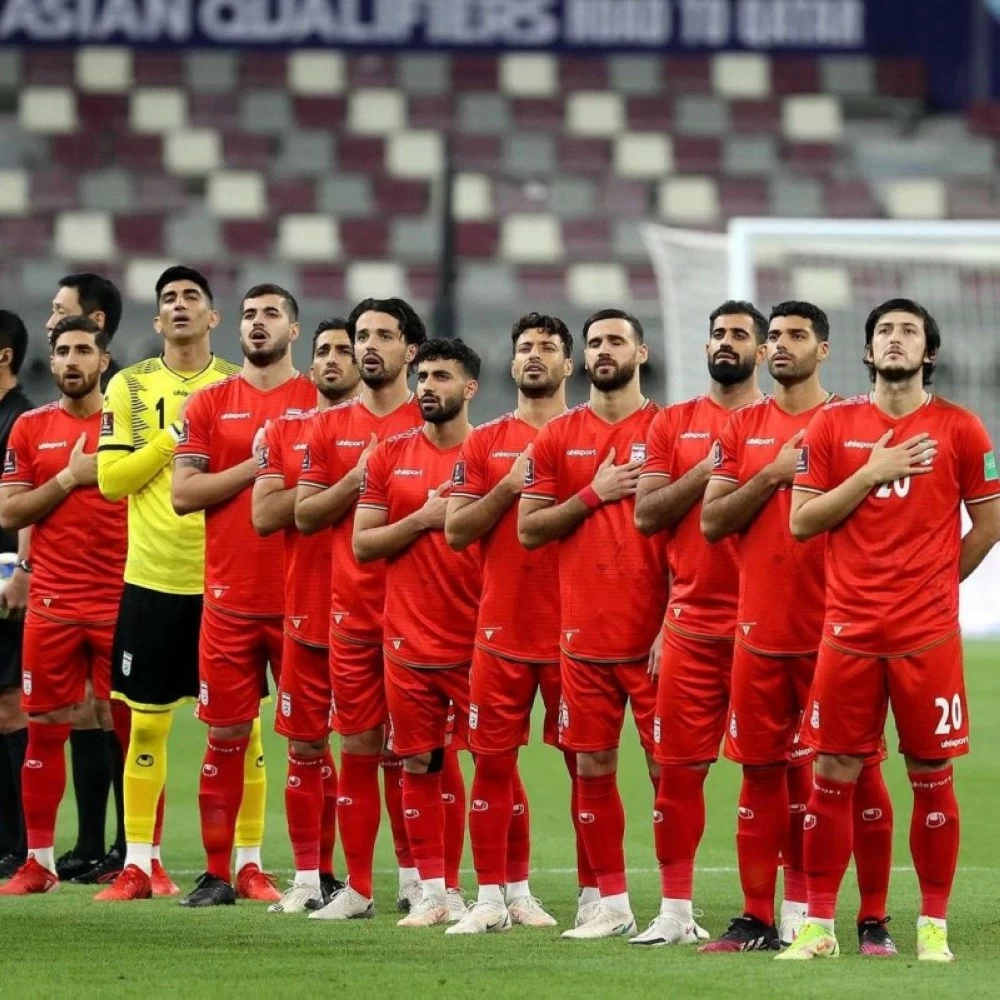
كشفت تقارير منسوبة لوسائل إعلام ووكالات دولية، أن الاتحاد الإيراني لكرة القدم واجه مشكلة تتعلق بعدم إصدار الولايات المتحدة تأشيرات لعدد من أعضاء بعثته المشاركة في حفل سحب قرعة كأس العالم 2026 في واشنطن، المقرر اليوم (الجمعة). وبحسب تلك المعطيات، أعلن الاتحاد الإيراني في البداية مقاطعة الحفل قبل أن يتراجع جزئياً عقب منح تأشيرات لمدرب المنتخب أمير غلنوئي وعدد محدود من أعضاء الوفد، في حين ظلت تأشيرات بقية المسؤولين، ومن بينهم رئيس الاتحاد مهدي تاج، غير مستكملة.
وتشير تقارير موثوقة إلى أن طلبات تأشيرة لعدد من أفراد البعثة، يُقدَّر عددهم بتسعة، لم تُستكمل أو رُفضت، وشمل ذلك مدير الأمن التنفيذي وبعض المديرين التنفيذيين في الاتحاد. وتستند خلفية القرار الأمريكي إلى سياسات تأشيرات مشددة تطبقها واشنطن تجاه مواطني دول معينة، من بينها إيران، استناداً إلى اعتبارات أمنية وسياسية معروفة. ورغم أن فعاليات رياضية دولية كبرى تستفيد غالباً من استثناءات خاصة للكوادر الأساسية، تخضع كل حالة لمراجعة أمنية منفصلة قد تؤدي إلى قبول بعض الطلبات ورفض أخرى.
الاتحاد الإيراني اعتبر الخطوة ذات طابع سياسي وغير مرتبطة بالشأن الرياضي، وأعلن المقاطعة قبل تعديل موقفه والسماح بمشاركة ممثلين تقنيين لضمان الحضور الرسمي. وتحدثت تقارير محلية عن وجود ضغوط داخلية أسهمت في قرار المقاطعة الأولي.
على الصعيد الدولي، حافظ «الفيفا» على موقف يؤكد حرصه على تسهيل مشاركة جميع الاتحادات من خلال إجراءات دخول خاصة بالجماهير، مع الإشارة إلى أنه لا يملك صلاحية التأثير المباشر على سياسات الدول المضيفة المتعلقة بمنح التأشيرات، باعتبارها قرارات سيادية.
عملياً، قد يؤدي غياب عدد من مسؤولي الاتحاد عن الاجتماعات وورش العمل المرافقة للقرعة إلى تأثيرات إجرائية محدودة في ما يتعلق بالتنسيق والتنظيم. وفي المستوى الدبلوماسي، من المحتمل أن تُستخدم القضية في اتصالات رسمية أو إعلامية، بما في ذلك احتمال لجوء إيران لقنوات دبلوماسية أو وساطة أطراف ثالثة. ولا يُتوقع أن تترتب آثار قانونية مباشرة نظراً لعدم وجود آلية دولية تُلزم الولايات المتحدة بمنح التأشيرات.
وتبرز مخاوف تتعلق بتأثير القيود الحالية في منح التأشيرات على جماهير المنتخب الإيراني الراغبين في حضور المباريات داخل الولايات المتحدة، الأمر الذي قد يحد من حجم الحضور أو يزيد من تعقيدات الرحلات.
وتراوح التوقعات بين تسوية دبلوماسية تمنح تأشيرات إضافية، أو استمرار الوضع الحالي القائم على تمثيل محدود، وهو السيناريو الأكثر ترجيحاً، فيما يُستبعد على المدى القريب تصعيد سياسي واسع رغم بقائه احتمالاً قائماً.
Reports attributed to media outlets and international agencies have revealed that the Iranian Football Federation faced an issue regarding the United States not issuing visas for several members of its delegation participating in the draw ceremony for the 2026 World Cup in Washington, scheduled for today (Friday). According to these reports, the Iranian federation initially announced a boycott of the ceremony before partially reversing its decision after visas were granted to the national team coach, Amir Gholnoei, and a limited number of delegation members, while the visas for the remaining officials, including the federation president, Mehdi Taj, remained unprocessed.
Reliable reports indicate that visa applications for several delegation members, estimated to be nine, were either incomplete or rejected, including the executive security director and some executives within the federation. The background of the U.S. decision is based on strict visa policies implemented by Washington towards citizens of certain countries, including Iran, based on known security and political considerations. Although major international sporting events often benefit from special exemptions for core personnel, each case is subject to a separate security review that may result in some applications being accepted and others rejected.
The Iranian federation considered the move to be political in nature and not related to sports, announcing the boycott before modifying its stance and allowing technical representatives to ensure official attendance. Local reports mentioned the existence of internal pressures that contributed to the initial decision to boycott.
On the international front, FIFA has maintained a position emphasizing its commitment to facilitating the participation of all federations through special entry procedures for fans, noting that it does not have the authority to directly influence the host countries' visa policies, as these are sovereign decisions.
Practically, the absence of several federation officials from the meetings and workshops accompanying the draw may lead to limited procedural impacts regarding coordination and organization. At the diplomatic level, the issue may be used in official or media communications, including the possibility of Iran resorting to diplomatic channels or mediation by third parties. No direct legal repercussions are expected due to the lack of an international mechanism obligating the United States to grant visas.
Concerns are rising regarding the impact of current visa restrictions on Iranian fans wishing to attend matches in the United States, which may limit attendance or complicate travel arrangements.
Expectations range from a diplomatic settlement granting additional visas to the continuation of the current situation based on limited representation, which is the most likely scenario, while a broad political escalation in the near term is unlikely, although it remains a possibility.