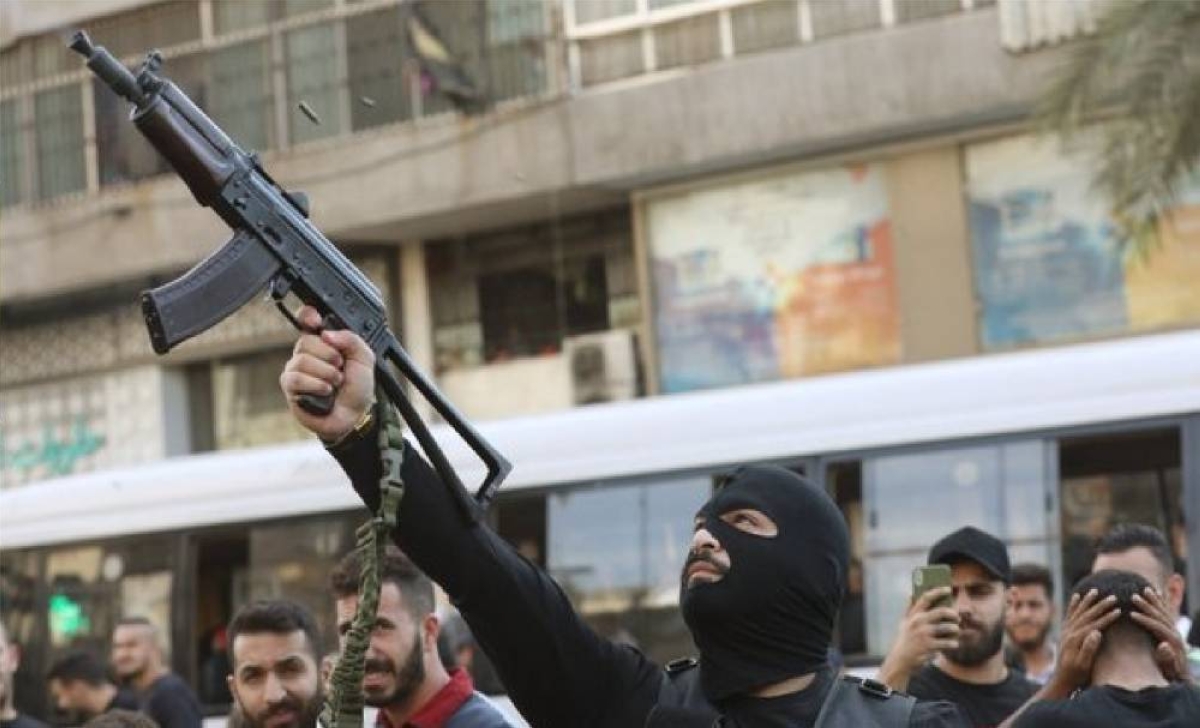
هل يستطيع لبنان أن يفرض سيادة الدولة على كامل أراضيه في غضون أسابيع قليلة؟ وهل يمكن لخطة الجيش المنتظرة أن تمر وسط رفض «حزب الله» الصريح لأي مس بسلاحه؟ ماذا لو تحولت جلسة مجلس الوزراء إلى مواجهة سياسية مفتوحة، أو انفجرت الشوارع على وقع الانقسام؟ وهل الضغوط الدولية، من واشنطن مروراً باليونيفيل، قادرة على تحويل القرار إلى واقع، أم أن لعبة الوقت التي يجيدها حزب الله ستعيد الأمور إلى نقطة الصفر؟
أسئلة تزدحم في الأفق مع اقتراب موعد عرض خطة الجيش لحصر السلاح على الحكومة نهاية أغسطس الجاري. استحقاق يبدو إدارياً في شكله، لكنه في جوهره اختبار لمعادلات القوة بين الداخل والخارج، وامتحان لقدرة الدولة على فرض سلطتها في لحظة سياسية وأمنية شديدة التعقيد.
• ما تحمله الأيام القادمة
بحسب قرار الحكومة، فإن مهمة الجيش تتضمن إعداد خطة مفصلة تشمل الجداول الزمنية، الوسائل اللوجستية، وآليات التنفيذ اللازمة لضمان حصر السلاح بيد القوى الشرعية. هذه الخطة تأتي في سياق مسار دولي أوسع، يتدرج من تثبيت وقف إطلاق النار على الحدود الجنوبية، إلى إعادة انتشار الجيش اللبناني، ثم التعامل مع ملف سلاح حزب الله، وصولاً إلى مؤتمر دعم اقتصادي للبنان.
لكن المعطيات السياسية تشير إلى أن الملف لن يمر بسلاسة. فحزب الله يعتبر أن سلاحه مرتبط بمعادلة الردع في مواجهة إسرائيل، وأن أي مس به قبل معالجة الملفات الأمنية والحدودية يشكل تهديداً مباشراً لدوره. في المقابل، ترى الحكومة أن استمرار السلاح خارج سلطة الدولة يعمّق الانقسام الداخلي ويضعف قدرة لبنان على استعادة الاستقرار وجذب الدعم الدولي.
• جلسة على صفيح ساخن
الجلسة المرتقبة لمناقشة خطة الجيش ستجمع خليطاً من المواقف المتباينة. وزراء حزب الله وحركة أمل سبق أن انسحبوا من جلسات سابقة، رفضاً لأي نقاش في هذا الملف، بينما أصرّت غالبية الوزراء على المضي في المسار حتى النهاية. هذا التباين يجعل من الجلسة القادمة مسرحاً محتملاً لتصعيد سياسي، قد يتطور إلى تعطيل العمل الحكومي إذا تمسك كل طرف بموقفه.
ورغم أن الحكومة تحاول تقديم الخطة كإجراء تنظيمي يخدم المصلحة الوطنية، إلا أن أوساطاً مراقبة ترى أن ما سيجري في المجلس هو في جوهره معركة حول هوية الدولة وحدود سلطتها، ما يعني أن النتائج قد تتجاوز النصوص إلى موازين القوى على الأرض.
• بين مسارين مختلفين وهدف واحد
في السياق، يصل المبعوثان الأمريكيان توم براك ومورغن أورتاغوس إلى بيروت يومي 18 و19 أغسطس، وكل منهما يحمل ملفات مختلفة، براك يركز على الضغط السياسي لدفع الحكومة نحو خطوات عملية في حصر السلاح غير الشرعي بيد الدولة، في حين تهتم أورتاغوس بترتيبات التمديد لقوات اليونيفيل وربط هذا التمديد بمهمة الجيش وخطته المنتظرة. ورغم اختلاف المسارين، يلتقيان عند دعم المؤسسة العسكرية وتوفير الظروف الدولية التي تمكّنها من تنفيذ القرار الحكومي.
فهل تمهد الزيارة الأمريكية لفرض وقائع جديدة على الأرض تلزم الأطراف الداخلية بقبول خطة الجيش، أم أنها ستفاقم التعقيدات وتدفع بالمشهد إلى مزيد من التأزم؟
• خلف الكواليس.. ضغوط ومشاورات
بعيداً عن الإعلام، تدور اتصالات مكثفة بين رئاسة الحكومة وقيادة الجيش وعدد من البعثات الدبلوماسية الغربية، في محاولة لضمان أن تأتي الخطة قابلة للتنفيذ من دون أن تجر البلاد إلى مواجهة شاملة. المعلومات المسربة تشير إلى أن هناك حرصاً على صياغة مقترح يراعي الاعتبارات السياسية والأمنية معاً، ويتيح مساحة للحوار مع الأطراف المعنية، حتى وإن استلزم الأمر تقسيم الخطة إلى مراحل متدرجة.
• الثنائي الشيعي وشراء الوقت
تقول أوساط قريبة من عين التينة، لـ«عكاظ»، إن اللقاء الذي عُقد أخيراً، بين رئيس البرلمان نبيه بري وقائد الجيش العماد رودولف هيكل كان إيجابياً، وأكد خلاله هيكل رفضه الصدام مع مكوّن أساسي في البلد، لافتاً إلى أن الجيش سيطبق ما تتفق عليه السلطة السياسية، وأن المشكلة ليست مع المؤسسة العسكرية بل مع السلطة، والأمر يحتاج إلى حوار وتفاهم.
في المقابل، تكشف مصادر قريبة من حارة حريك، لـ«عكاظ»، أن حزب الله مرتاح لوضع الملف بيد اليرزة، رغم رفضه مسألة تحديد المهل، وهذا ما يعزز قناعة الثنائي مبدئياً بأن الجيش لن يدخل في صدام مباشر معهم، وأن أي خطة لن تُطبق بالقوة.
بالمقابل، يسعى حزب الله إلى استيعاب مفاعيل القرار الحكومي من خلال رهان على أن إمكانات الجيش لا تسمح بتنفيذ سريع للخطوة، ما يفتح المجال للمناورة والتأجيل. ويلعب نبيه بري دور الغطاء السياسي لهذا النهج، عبر إبقاء قنوات التواصل مفتوحة مع الحكومة، ومنع أي انسحاب وزاري قد يطيح بالمسار الحكومي.
• السيناريوهات بين الممكن والمخيف
استناداً إلى المواقف المعلنة والتحركات الجارية، يمكن رسم ثلاثة سيناريوهات رئيسية: التوافق المرحلي: إطلاق الخطة تدريجياً مع تأجيل الملفات الأكثر حساسية. التأجيل المموه: إرجاء التنفيذ الفعلي إلى ما بعد أيلول بحجة استكمال المشاورات. الانفجار السياسي والأمني: مواجهة مباشرة وتعطيل حكومي وتصعيد في الشارع.
الخطورة في الأيام القادمة تكمن في أن لبنان يتحرك على خط رفيع بين استعادة الدولة هيبتها، وانزلاق المشهد إلى مواجهة مفتوحة. نجاح الحكومة في تمرير خطة الجيش سيعزز الثقة بقدرتها على الإمساك بالقرار السيادي، أما الفشل فسيضع البلاد أمام أزمة مركبة، مع تراجع الزخم الدولي وتعميق الانقسام الداخلي.
Can Lebanon impose state sovereignty over all its territory within a few weeks? Can the anticipated army plan pass amid Hezbollah's explicit rejection of any interference with its weapons? What if the Cabinet session turns into an open political confrontation, or if the streets explode with division? Are the international pressures, from Washington through UNIFIL, capable of turning the decision into reality, or will Hezbollah's adeptness at playing for time bring things back to square one?
These questions crowd the horizon as the date approaches for the army's plan to restrict weapons to be presented to the government at the end of August. This requirement seems administrative in form, but at its core, it is a test of the balance of power between the internal and external, and an examination of the state's ability to impose its authority at a politically and security-complex moment.
• What the coming days hold
According to the government's decision, the army's mission includes preparing a detailed plan that encompasses timelines, logistical means, and necessary implementation mechanisms to ensure that weapons are restricted to legitimate forces. This plan comes within the context of a broader international trajectory, ranging from consolidating the ceasefire on the southern border, to the redeployment of the Lebanese army, then addressing the issue of Hezbollah's weapons, culminating in a conference to support Lebanon economically.
However, political data indicates that the issue will not pass smoothly. Hezbollah considers its weapons to be linked to the deterrence equation against Israel, and any interference with them before addressing security and border issues constitutes a direct threat to its role. Conversely, the government sees that the continuation of weapons outside state authority deepens internal division and weakens Lebanon's ability to restore stability and attract international support.
• A session on hot coals
The anticipated session to discuss the army's plan will bring together a mix of divergent positions. Ministers from Hezbollah and the Amal Movement have previously withdrawn from earlier sessions, rejecting any discussion on this issue, while the majority of ministers insisted on proceeding with the path to the end. This divergence makes the upcoming session a potential stage for political escalation, which could develop into a disruption of government work if each party sticks to its position.
Although the government tries to present the plan as an organizational measure that serves the national interest, monitoring circles believe that what will happen in the council is essentially a battle over the identity of the state and the limits of its authority, which means that the outcomes may transcend the texts to the balance of power on the ground.
• Between two different paths and one goal
In this context, American envoys Tom Barak and Morgan Ortagus will arrive in Beirut on August 18 and 19, each carrying different files. Barak focuses on political pressure to push the government toward practical steps in restricting illegal weapons to the state, while Ortagus is concerned with arrangements for extending UNIFIL forces and linking this extension to the army's mission and its anticipated plan. Despite the differing paths, they converge on supporting the military institution and providing the international conditions that enable it to implement the government decision.
Will the American visit pave the way for new realities on the ground that compel internal parties to accept the army's plan, or will it exacerbate complications and push the scene toward further tension?
• Behind the scenes... Pressures and consultations
Away from the media, intensive communications are taking place between the Prime Minister's office, the army leadership, and several Western diplomatic missions, in an attempt to ensure that the plan comes out executable without dragging the country into a comprehensive confrontation. Leaked information indicates that there is a desire to formulate a proposal that considers both political and security considerations together, allowing space for dialogue with the concerned parties, even if it requires dividing the plan into gradual phases.
• The Shiite duo and buying time
Sources close to Ain al-Tineh tell "Okaz" that the recent meeting between Parliament Speaker Nabih Berri and Army Commander General Rudolf Haikal was positive, during which Haikal emphasized his rejection of a confrontation with a fundamental component in the country, noting that the army will implement what the political authority agrees upon, and that the problem is not with the military institution but with the authority, and that dialogue and understanding are needed.
Conversely, sources close to Haret Hreik reveal to "Okaz" that Hezbollah is comfortable with the file being in Yarzeh's hands, despite its rejection of setting deadlines, which reinforces the duo's initial conviction that the army will not engage in direct confrontation with them, and that any plan will not be implemented by force.
On the other hand, Hezbollah seeks to absorb the implications of the government decision by betting that the army's capabilities do not allow for a swift implementation of the step, opening the door for maneuvering and postponement. Nabih Berri plays the role of the political cover for this approach, by keeping communication channels open with the government and preventing any ministerial withdrawal that could derail the government path.
• Scenarios between the possible and the frightening
Based on the announced positions and ongoing movements, three main scenarios can be drawn: phased agreement: gradually launching the plan while postponing the most sensitive files; disguised postponement: delaying actual implementation until after September under the pretext of completing consultations; political and security explosion: direct confrontation, government disruption, and street escalation.
The danger in the coming days lies in Lebanon moving along a fine line between restoring the state's prestige and the scene slipping into an open confrontation. The government's success in passing the army's plan will enhance confidence in its ability to hold the sovereign decision, while failure will place the country in front of a compounded crisis, with a decline in international momentum and deepening internal division.