


في سابقة سياسية تعيد رسم معادلة السلاح والشرعية، خرج مجلس الوزراء اللبناني بقرار يمكن وصفه بأنه «الأكثر جرأة» منذ اتفاق الطائف.قرار واضح ومباشر: الدولة قررت أن تبدأ مسار «حصر السلاح»، وطلبت من الجيش إعداد خطة تنفيذية قبل نهاية أغسطس الجاري، بما يمهّد لمرحلة جديدة من استعادة القرار السيادي.القرار لم يكن عادياً، ولا ظرفياً، بل يشكّل في مضمونه وتوقيته نقطة تحول في تعاطي الدولة مع واقع ظلت تتجنبه لعقود، لكن البيان التصعيدي الصادر عن حزب الله بعد الجلسة، لم يترك مجالاً للتهدئة.الحزب لم يكتفِ برفض القرار، بل حسم تموضعه ضده بالكامل، واتهم الحكومة بتنفيذ إملاءات خارجية، واعتبرها مخالفة للميثاق والدستور والبيان الوزاري.في بيان حزب الله إشارات صريحة إلى أنه لا يرى القرار قابلاً للنقاش أو التعديل، بل يتعامل معه كأمر مرفوض جملة وتفصيلاً، بلغة لا تخلو من الرسائل المبطنة، وكأنه مستعد للذهاب بعيداً إذا اقتضت المواجهة ذلك، مع ما يحمله المشهد من تهديد للاستقرار الداخلي وتوازنات الإقليم.ما بين القرار الحكومي وموقف الحزب، بات كل لبنان في مواجهة صريحة مع واقع لطالما جرى التحايل عليه بلغة التفاهمات المرحلية، هذه المرة، لا تسويات لغوية ولا عبارات فضفاضة، الحكومة حسمت، والحزب أعلن رفضه، ومعه بدأت مرحلة جديدة من الاشتباك السياسي، وربما أكثر..منطق الحزب: السلاح في صلب الشرعيةفي بيانه، يحاول حزب الله أن يعيد ضبط معادلة الطائف على مقاسه، ويستند إلى الفقرة الخامسة من البيان الوزاري ليقول إن «سلاحه جزء من الإجراءات اللازمة لتحرير الأراضي المحتلة»، وأن الحفاظ عليه يشكل عنصراً من عناصر قوة لبنان.لكن هذه القراءة الانتقائية تطرح تساؤلات جوهرية: إذا كان الحزب يتمسك بشرعية البيان الوزاري، فهل يجوز له إسقاط قرارات الحكومة التي صدرت تحت سقفه؟ وهل يمكن لجهة حزبية أن تحدد متى تلتزم بالدستور ومتى تتجاوزه؟ الأخطر أن هذا الرفض لا يبدو مجرد موقف دفاعي، بل أقرب إلى إعلان نوايا بعدم الالتزام بأي مسار يحد من موقع الحزب العسكري، حتى لو كان هذا المسار تحت مظلة الدولة.بهذا المعنى، لا نكون أمام خلاف سياسي تقليدي، بل أمام مشهد يتأسس على صدام محتمل، سياسياً وربما أكثر، خصوصاً إذا قررت الحكومة المُضي فعلياً في تنفيذ القرار، ورفعت الغطاء السياسي عن أي سلاح خارج سلطة الدولة.مخاطر داخلية.. ومخاض إقليميالمقبل من الأيام محفوف بالمخاطر، داخلياً ينقسم البلد على خطوط حادة: فريق يعتبر قرار«حصر السلاح» استعادة للمسار الدستوري، وفريق آخر يراه استهدافاً مباشراً للمقاومة ومقدمة لتسويات دولية على حسابها.فيما بدأت بعض التحركات في الشارع تأخذ طابعاً فئوياً، والخشية أن يتم استثمار الانقسام السياسي لتغذية الشحن الشعبي والطائفي، وهذا ما قد يجعل من الخطاب السياسي مادة اشتعال إضافية بدل أن يكون مدخلاً لتقليص التوتر.أمنياً، تتكثف التحذيرات من تفجر الساحات في حال استدرج البلد إلى مواجهات متفرقة على خلفية القرار، وتبدو القوى السياسية عاجزة حتى اللحظة عن بلورة موقف وطني جامع قادر على امتصاص التداعيات.إقليمياً، الصورة أكثر اضطراباً مما تبدو، وخطوط الاشتباك لم تختفِ، بل تحوّلت إلى تفاهمات هشة فوق أرض ساخنة، فاتفاق وقف إطلاق النار مع إسرائيل لا يلغي احتمال الانفجار خصوصاً أن الجبهة الجنوبية لم تدخل بعد في مناخ الهدنة المستقرة.أما الضغوط الأمريكية فما زالت تصاعدية على لبنان، مركزة على ضرورة نزع السلاح خارج إطار الدولة، وتعزيز سلطة الحكومة في مواجهة أي جهة تحتفظ بقرار أمني مستقل.في السياق، تتواتر الرسائل الدبلوماسية التي تتلقاها بيروت في الأيام الأخيرة، وتشير إلى دعم سياسي واضح لمسار الحكومة، وإلى رغبة دولية في إرساء مرحلة جديدة من الحكم المؤسساتي، لكن هذه الرغبة تصطدم بواقع لبناني غير جاهز لأي تسوية خارجية أو داخلية لا تراعي ميزان القوى القائم.وهنا تحديداً، تبدو الأزمة مرشحة للتعقيد أكثر مع انكشاف الساحة الداخلية على كل أشكال الاستقطاب الخارجي.ساعة الحقيقة دقّتفي هذا المفترق، لم يعد هناك متسع للمناورات، قرار الحكومة يعبّر عن لحظة تحوّل في نظرة الدولة إلى مسألة السلاح، لكن بيان حزب الله ينبئ بأن الحزب لن يسمح بمرور القرار، وأن البلاد مقبلة على اختبار هو الأخطر منذ عام 2005م. والسؤال لم يعد: هل نذهب إلى مواجهة؟ بل: كيف يمكن تفاديها؟ وهل لا يزال لبنان يملك القدرة على إنتاج تسوية تحفظ الاستقرار من دون التنازل عن السيادة؟ المعادلة تغيرت، والغموض انتهى، والقطار تحرّك، والمسار بدأ يتضح. لكن الوجهة النهائية لا تزال غير مضمونة، والخيارات تضيق.. إما الدولة بكل ما تعنيه من مؤسسات وشرعية وقرار مركزي، أو واقع مستمر من ازدواجية السلطة، ولا قرار يحسم ولا سيادة تصان، ولا «استقرار يصمد»..
بين قرار الدولة ورفض الحزب.. لبنان على حافة الاختبار الأخطر
7 أغسطس 2025 - 19:00
|
آخر تحديث 23 نوفمبر 2025 - 15:31
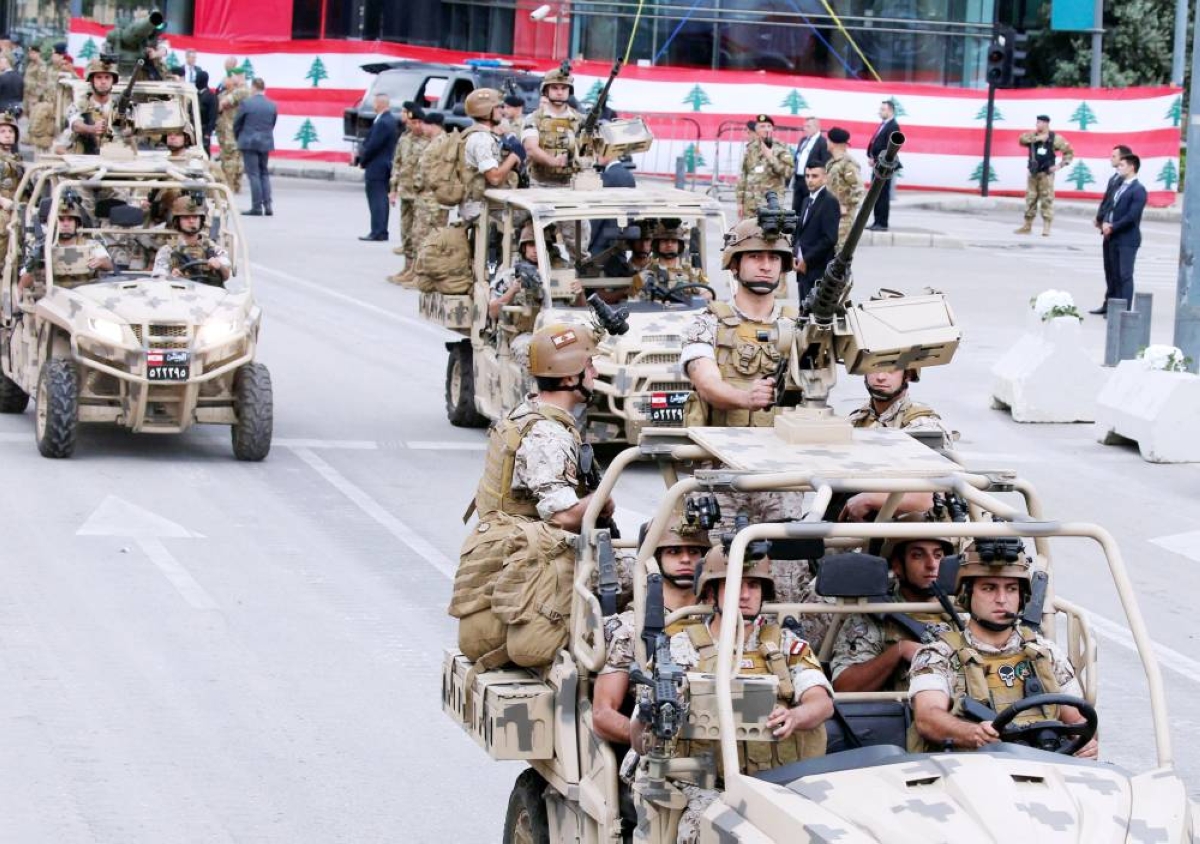
الجيش اللبناني خلال استعراض عسكري.


تابع قناة عكاظ على الواتساب
In a political precedent that redraws the equation of arms and legitimacy, the Lebanese Cabinet issued a decision that can be described as "the boldest" since the Taif Agreement.
The decision is clear and direct: the state has decided to begin the process of "restricting arms" and has requested the army to prepare an executive plan before the end of August, paving the way for a new phase of restoring sovereign decision-making.
This decision was not ordinary or circumstantial; rather, it represents, in its content and timing, a turning point in the state's dealings with a reality it has avoided for decades. However, the escalating statement issued by Hezbollah after the session left no room for de-escalation.
The party did not merely reject the decision; it fully positioned itself against it, accusing the government of implementing external dictates and considering it a violation of the charter, the constitution, and the ministerial statement.
In Hezbollah's statement, there are explicit signals indicating that it does not see the decision as open to discussion or amendment, but rather treats it as a completely rejected matter, using language that is not devoid of veiled messages, as if it is prepared to go far if confrontation necessitates it, with the scene carrying threats to internal stability and regional balances.
Between the government decision and the party's stance, all of Lebanon finds itself in an open confrontation with a reality that has long been circumvented by the language of temporary understandings. This time, there are no linguistic settlements or vague phrases; the government has made its decision, and the party has announced its rejection, marking the beginning of a new phase of political conflict, and perhaps more..
The party's logic: arms are at the core of legitimacy
In its statement, Hezbollah attempts to recalibrate the Taif equation to its advantage, relying on paragraph five of the ministerial statement to assert that "its arms are part of the necessary measures to liberate occupied territories," and that maintaining them constitutes an element of Lebanon's strength.
However, this selective reading raises fundamental questions: If the party insists on the legitimacy of the ministerial statement, can it dismiss government decisions made under its framework? Can a party determine when it adheres to the constitution and when it transcends it? The more dangerous aspect is that this rejection does not seem to be merely a defensive position, but rather closer to a declaration of intentions not to comply with any path that limits the party's military position, even if that path is under the state's umbrella.
In this sense, we are not facing a traditional political dispute, but rather a scene that is based on a potential clash, politically and perhaps more, especially if the government decides to actually proceed with implementing the decision and lifts the political cover from any arms outside the state's authority.
Internal dangers... and regional labor pains
The coming days are fraught with dangers; internally, the country is divided along sharp lines: one group sees the decision of "restricting arms" as a restoration of the constitutional path, while another views it as a direct targeting of the resistance and a precursor to international settlements at its expense.
As some movements in the street begin to take on a factional character, there is concern that the political division will be exploited to fuel popular and sectarian tensions, which could turn political discourse into additional kindling rather than a means to reduce tension.
From a security perspective, warnings are intensifying about the potential eruption of clashes if the country is drawn into scattered confrontations over the decision, and political forces seem unable, so far, to crystallize a unifying national stance capable of absorbing the repercussions.
Regionally, the picture is more turbulent than it appears, and the lines of engagement have not disappeared; rather, they have transformed into fragile understandings over hot ground, as the ceasefire agreement with Israel does not negate the possibility of an explosion, especially since the southern front has not yet entered a climate of stable truce.
Moreover, American pressures on Lebanon remain escalating, focusing on the necessity of disarming outside the framework of the state and strengthening the authority of the government in facing any party that retains independent security decision-making.
In this context, diplomatic messages received by Beirut in recent days indicate clear political support for the government's path and an international desire to establish a new phase of institutional governance, but this desire collides with a Lebanese reality that is not ready for any external or internal settlement that does not take into account the existing balance of power.
Here, precisely, the crisis seems poised to become more complicated as the internal arena is exposed to all forms of external polarization.
The hour of truth has struck
At this crossroads, there is no longer room for maneuvering; the government's decision expresses a moment of transformation in the state's view of the arms issue, but Hezbollah's statement indicates that the party will not allow the decision to pass, and the country is heading towards a test that is the most dangerous since 2005. The question is no longer: Are we heading towards confrontation? But rather: How can it be avoided? And does Lebanon still have the capacity to produce a settlement that preserves stability without conceding sovereignty? The equation has changed, the ambiguity has ended, the train has moved, and the path is beginning to clarify. However, the final destination remains uncertain, and the options are narrowing... either the state, with all that it means in terms of institutions, legitimacy, and central decision-making, or a continued reality of dual authority, with no decisive resolutions, no preserved sovereignty, and no "stability that endures"...
The decision is clear and direct: the state has decided to begin the process of "restricting arms" and has requested the army to prepare an executive plan before the end of August, paving the way for a new phase of restoring sovereign decision-making.
This decision was not ordinary or circumstantial; rather, it represents, in its content and timing, a turning point in the state's dealings with a reality it has avoided for decades. However, the escalating statement issued by Hezbollah after the session left no room for de-escalation.
The party did not merely reject the decision; it fully positioned itself against it, accusing the government of implementing external dictates and considering it a violation of the charter, the constitution, and the ministerial statement.
In Hezbollah's statement, there are explicit signals indicating that it does not see the decision as open to discussion or amendment, but rather treats it as a completely rejected matter, using language that is not devoid of veiled messages, as if it is prepared to go far if confrontation necessitates it, with the scene carrying threats to internal stability and regional balances.
Between the government decision and the party's stance, all of Lebanon finds itself in an open confrontation with a reality that has long been circumvented by the language of temporary understandings. This time, there are no linguistic settlements or vague phrases; the government has made its decision, and the party has announced its rejection, marking the beginning of a new phase of political conflict, and perhaps more..
The party's logic: arms are at the core of legitimacy
In its statement, Hezbollah attempts to recalibrate the Taif equation to its advantage, relying on paragraph five of the ministerial statement to assert that "its arms are part of the necessary measures to liberate occupied territories," and that maintaining them constitutes an element of Lebanon's strength.
However, this selective reading raises fundamental questions: If the party insists on the legitimacy of the ministerial statement, can it dismiss government decisions made under its framework? Can a party determine when it adheres to the constitution and when it transcends it? The more dangerous aspect is that this rejection does not seem to be merely a defensive position, but rather closer to a declaration of intentions not to comply with any path that limits the party's military position, even if that path is under the state's umbrella.
In this sense, we are not facing a traditional political dispute, but rather a scene that is based on a potential clash, politically and perhaps more, especially if the government decides to actually proceed with implementing the decision and lifts the political cover from any arms outside the state's authority.
Internal dangers... and regional labor pains
The coming days are fraught with dangers; internally, the country is divided along sharp lines: one group sees the decision of "restricting arms" as a restoration of the constitutional path, while another views it as a direct targeting of the resistance and a precursor to international settlements at its expense.
As some movements in the street begin to take on a factional character, there is concern that the political division will be exploited to fuel popular and sectarian tensions, which could turn political discourse into additional kindling rather than a means to reduce tension.
From a security perspective, warnings are intensifying about the potential eruption of clashes if the country is drawn into scattered confrontations over the decision, and political forces seem unable, so far, to crystallize a unifying national stance capable of absorbing the repercussions.
Regionally, the picture is more turbulent than it appears, and the lines of engagement have not disappeared; rather, they have transformed into fragile understandings over hot ground, as the ceasefire agreement with Israel does not negate the possibility of an explosion, especially since the southern front has not yet entered a climate of stable truce.
Moreover, American pressures on Lebanon remain escalating, focusing on the necessity of disarming outside the framework of the state and strengthening the authority of the government in facing any party that retains independent security decision-making.
In this context, diplomatic messages received by Beirut in recent days indicate clear political support for the government's path and an international desire to establish a new phase of institutional governance, but this desire collides with a Lebanese reality that is not ready for any external or internal settlement that does not take into account the existing balance of power.
Here, precisely, the crisis seems poised to become more complicated as the internal arena is exposed to all forms of external polarization.
The hour of truth has struck
At this crossroads, there is no longer room for maneuvering; the government's decision expresses a moment of transformation in the state's view of the arms issue, but Hezbollah's statement indicates that the party will not allow the decision to pass, and the country is heading towards a test that is the most dangerous since 2005. The question is no longer: Are we heading towards confrontation? But rather: How can it be avoided? And does Lebanon still have the capacity to produce a settlement that preserves stability without conceding sovereignty? The equation has changed, the ambiguity has ended, the train has moved, and the path is beginning to clarify. However, the final destination remains uncertain, and the options are narrowing... either the state, with all that it means in terms of institutions, legitimacy, and central decision-making, or a continued reality of dual authority, with no decisive resolutions, no preserved sovereignty, and no "stability that endures"...


