كشفت «يديعوت أحرونوت» الإسرائيلية تجميد خطط إقامة «مدينة إنسانية» في رفح، والتي كانت معدة لمئات الآلاف من الفلسطينيين كخطوة أولى لدفعهم إلى مغادرة القطاع طوعا.
ونقلت عن مصدر أمني رفيع المستوى قوله: لا يوجد قرار بالمُضي قُدماً في هذا الأمر، ولا توجد خطة بديلة أيضاً، كان المستوى السياسي على يقين من أنه يتجه نحو صفقة للإفراج عن الرهائن تتضمن انسحاباً من جنوب قطاع غزة، لذا يبدو أنهم تخلّوا عن هذه الخطوة، لقد تأجلت الآن.
وأضاف المصدر أنه «في ظل الصور المروّعة القادمة من غزة»، اتُّخذ قرار بمضاعفة عدد شاحنات المساعدات الإنسانية الداخلة إلى القطاع، بحيث يدخل نحو 150 شاحنة يومياً.
ولفت إلى أنه منذ مارس الماضي توقفت إسرائيل عن إدخال المساعدات لأسباب سياسية، خشية إسقاط الحكومة من قبل وزراء يهددون بتفكيك الائتلاف. ورأى أن إسرائيل كان بإمكانها إقناع المجتمع الدولي والأمم المتحدة بتوزيع المساعدات العالقة عند معبري زيكيم وكرم أبو سالم، مما كان سيجنبها الانتقادات الحادة.
وكانت الصحيفة أفصحت في شهر أبريل الماضي عن مناشدات الجيش للمستوى السياسي بإعادة فتح الممرات الإنسانية لتفادي كارثة إنسانية، إلا أن وزراء الحكومة رفضوا، وتعهد وزير المالية بتسلئيل سموتريتش بعدم السماح بدخول «حبة قمح واحدة» إلى غزة، في تصريح شهير له قال فيه: «اقرأوا شفتي».
إلا أنه تراجع بعد أسابيع وسمح بعودة الشاحنات، ودخلت عشرات منها عبر معبر زيكيم نحو شمال القطاع، وتعرضت للنهب في منطقة العطاطرة.
وكشفت سلطة الاحتلال في أوائل يوليو خطة جديدة لنقل مئات الآلاف من الفلسطينيين في قطاع غزة إلى «منطقة إنسانية»، في خطوة وصفت بأنها غير مسبوقة وأثارت موجة انتقادات من قبل خبراء قانونيين داخل إسرائيل وخارجها.
وقال وزير الدفاع الإسرائيلي يسرائيل كاتس، إنه كلف الجيش بإعداد خطة لإنشاء «مدينة إنسانية» في رفح لتكون مكاناً يتم فيه تجميع سكان قطاع غزة بالكامل في نهاية المطاف.
وكان سيتم تشييد المدينة المزمعة على أنقاض مدينة رفح في جنوب القطاع. وتتضمن الخطة نقل نحو 600 ألف فلسطيني من منطقة المواصي إلى المنطقة الجديدة بعد فحص أمني، ولن يسمح لهم بالمغادرة بعد ذلك.
وهاجم رئيس أركان جيش الاحتلال إيال زامير، الاقتراح خلال اجتماع للحكومة، مؤكداً أنه سيصرف التركيز عن الهدفين الأساسيين للجيش، وهما هزيمة حماس وتأمين عودة الرهائن، ما أدى إلى مشادة حادة بين زامير ونتنياهو خلال الاجتماع، وفق وسائل إعلام إسرائيلية.
ووصف محامو وباحثو حقوق الإنسان الإسرائيليون الخطة بأنها نموذجٌ لجرائم ضد الإنسانية، وحذّر بعضهم من أنها في حال تنفيذها قد ترقى، في ظل ظروف معينة، إلى جريمة إبادة جماعية.
ودخل قطاع غزة منذ أمس (الأحد) في هدنة إنسانية لـ 3 مناطق فقط مع السماح بدخول المساعدات لأهالي القطاع المجوعين، بحسب تقرير للأمم المتحدة.
هل تخلت إسرائيل عن خطط ترحيل الفلسطينيين إلى رفح؟
28 يوليو 2025 - 12:43
|
آخر تحديث 28 يوليو 2025 - 12:43
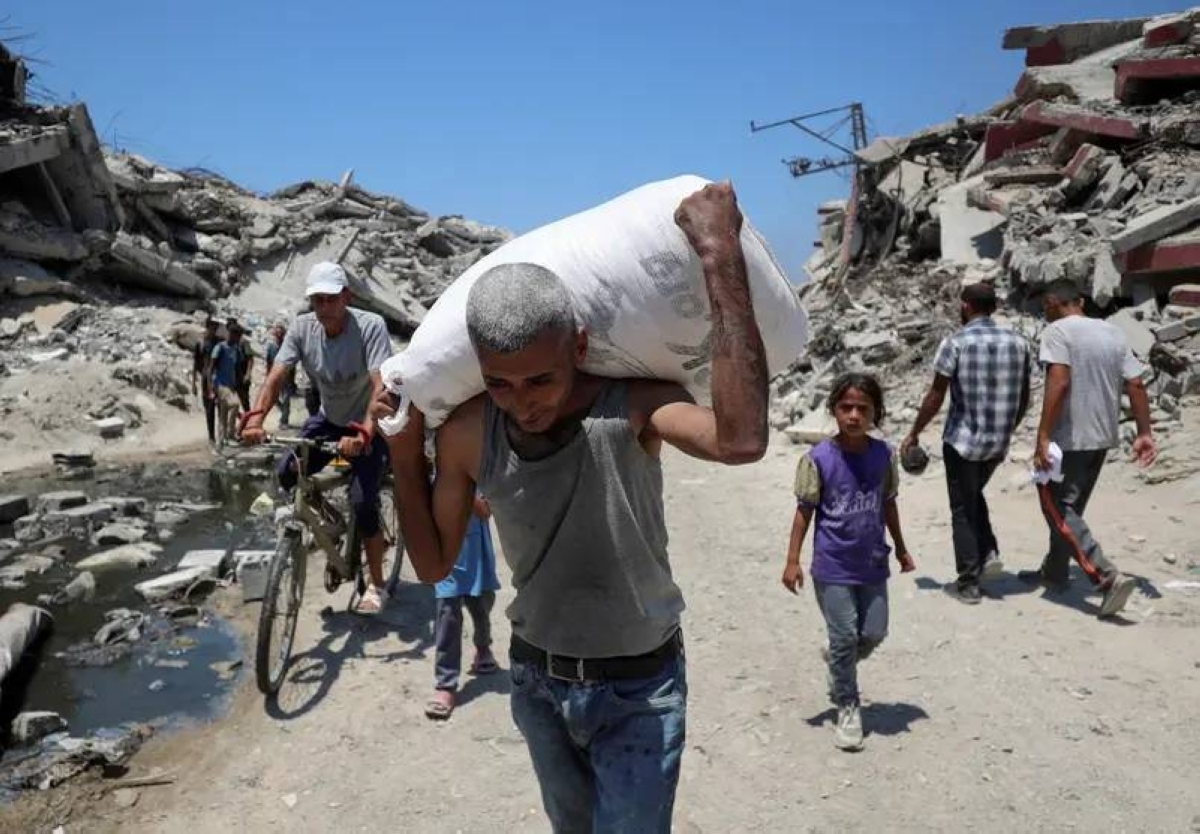
فلسطيني يحمل كيسا من المساعدات الإنسانية.


تابع قناة عكاظ على الواتساب
«عكاظ»، وكالات (غزة، جدة) okaz_online@
The Israeli newspaper "Yedioth Ahronoth" revealed the freezing of plans to establish a "humanitarian city" in Rafah, which was prepared for hundreds of thousands of Palestinians as a first step to encourage them to leave the Gaza Strip voluntarily.
It quoted a senior security source as saying: There is no decision to proceed with this matter, and there is no alternative plan either. The political level was convinced that it was heading towards a deal for the release of hostages that included a withdrawal from southern Gaza, so it seems they have abandoned this step; it has now been postponed.
The source added that "in light of the horrific images coming from Gaza," a decision was made to double the number of humanitarian aid trucks entering the Strip, with about 150 trucks entering daily.
He pointed out that since last March, Israel has stopped allowing aid to enter for political reasons, fearing the government would be toppled by ministers threatening to dismantle the coalition. He believed that Israel could have convinced the international community and the United Nations to distribute the aid stuck at the Zikim and Kerem Shalom crossings, which would have spared it sharp criticism.
The newspaper had disclosed in April that the army had appealed to the political level to reopen humanitarian corridors to avoid a humanitarian disaster, but government ministers refused, and Finance Minister Bezalel Smotrich pledged not to allow "a single grain of wheat" into Gaza, in a famous statement where he said: "Read my lips."
However, he backtracked after weeks and allowed the return of trucks, with dozens entering through the Zikim crossing towards northern Gaza, where they were looted in the Attatra area.
In early July, the occupying authority revealed a new plan to transfer hundreds of thousands of Palestinians in the Gaza Strip to a "humanitarian area," in a move described as unprecedented and sparked a wave of criticism from legal experts inside and outside Israel.
Israeli Defense Minister Yoav Gallant stated that he had tasked the army with preparing a plan to establish a "humanitarian city" in Rafah to be a place where the entire population of the Gaza Strip would eventually be gathered.
The planned city was to be built on the ruins of Rafah in the southern Strip. The plan includes transferring about 600,000 Palestinians from the Mawasi area to the new area after a security check, and they would not be allowed to leave afterward.
The Chief of Staff of the occupying army, Eyal Zamir, criticized the proposal during a government meeting, emphasizing that it would divert focus from the army's two main objectives: defeating Hamas and securing the return of hostages, leading to a heated exchange between Zamir and Netanyahu during the meeting, according to Israeli media.
Israeli human rights lawyers and researchers described the plan as a model for crimes against humanity, warning that if implemented, it could, under certain circumstances, amount to a crime of genocide.
Since yesterday (Sunday), the Gaza Strip has entered a humanitarian ceasefire for only 3 areas, allowing aid to enter for the besieged residents of the Strip, according to a report from the United Nations.
It quoted a senior security source as saying: There is no decision to proceed with this matter, and there is no alternative plan either. The political level was convinced that it was heading towards a deal for the release of hostages that included a withdrawal from southern Gaza, so it seems they have abandoned this step; it has now been postponed.
The source added that "in light of the horrific images coming from Gaza," a decision was made to double the number of humanitarian aid trucks entering the Strip, with about 150 trucks entering daily.
He pointed out that since last March, Israel has stopped allowing aid to enter for political reasons, fearing the government would be toppled by ministers threatening to dismantle the coalition. He believed that Israel could have convinced the international community and the United Nations to distribute the aid stuck at the Zikim and Kerem Shalom crossings, which would have spared it sharp criticism.
The newspaper had disclosed in April that the army had appealed to the political level to reopen humanitarian corridors to avoid a humanitarian disaster, but government ministers refused, and Finance Minister Bezalel Smotrich pledged not to allow "a single grain of wheat" into Gaza, in a famous statement where he said: "Read my lips."
However, he backtracked after weeks and allowed the return of trucks, with dozens entering through the Zikim crossing towards northern Gaza, where they were looted in the Attatra area.
In early July, the occupying authority revealed a new plan to transfer hundreds of thousands of Palestinians in the Gaza Strip to a "humanitarian area," in a move described as unprecedented and sparked a wave of criticism from legal experts inside and outside Israel.
Israeli Defense Minister Yoav Gallant stated that he had tasked the army with preparing a plan to establish a "humanitarian city" in Rafah to be a place where the entire population of the Gaza Strip would eventually be gathered.
The planned city was to be built on the ruins of Rafah in the southern Strip. The plan includes transferring about 600,000 Palestinians from the Mawasi area to the new area after a security check, and they would not be allowed to leave afterward.
The Chief of Staff of the occupying army, Eyal Zamir, criticized the proposal during a government meeting, emphasizing that it would divert focus from the army's two main objectives: defeating Hamas and securing the return of hostages, leading to a heated exchange between Zamir and Netanyahu during the meeting, according to Israeli media.
Israeli human rights lawyers and researchers described the plan as a model for crimes against humanity, warning that if implemented, it could, under certain circumstances, amount to a crime of genocide.
Since yesterday (Sunday), the Gaza Strip has entered a humanitarian ceasefire for only 3 areas, allowing aid to enter for the besieged residents of the Strip, according to a report from the United Nations.