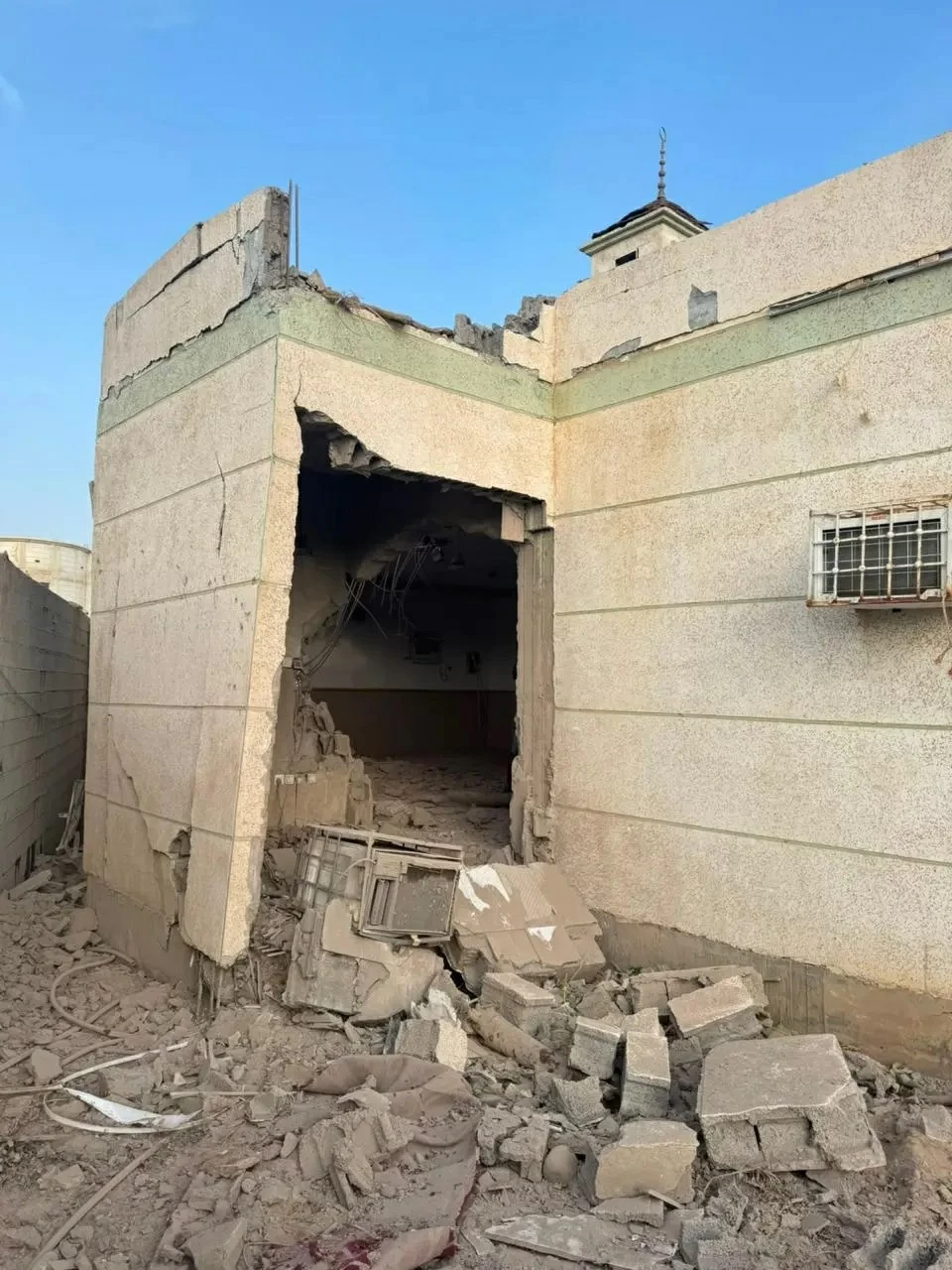
لم يكن من المفترض أن يكون المسجد في قرية جنوبية بجازان جزءاً من أخبار الحرب يوم أمس. كان يجب أن يكون مكاناً يعرفه الناس بقدسيته: مصلون، وإمام، وسجادة، ومئذنة ترتفع فوق بيت من بيوت الله. لكن مقذوفاً أطلقته ميليشيا الحوثي من اليمن سقط في محافظة الطوال بمنطقة جازان، فأصاب شخصين وألحق أضراراً بالمسجد وعدد من المباني والمركبات.
هذه ليست رواية عن مسجد استُهدف للمرة الأولى، لأن الصورة التي خلف هذه الجريمة أكثر قسوة من ذلك بكثير: فصواريخ ومقذوفات ميليشيا الحوثي لا تعرف حدوداً بين جبهة عسكرية وحي سكني، ولا بين منشأة مدنية وبيت من بيوت الله.
وهنا تبدأ الحكاية الحقيقية. فالمسجد الذي أصابه المقذوف الحوثي في جازان ليس أول مسجد يدخل دائرة هذه الحرب. ففي اليمن، سبق أن وصلت صواريخ الحوثيين إلى مساجد أثناء الصلاة، وتحولت مساجد أخرى إلى أهداف للقصف والتفجير، بينما تتهم تقارير حقوقية الجماعة باستخدام بعضها في أغراض عسكرية وتغيير خطبها وأئمتها وملاحقة رجال الدين المخالفين لها.
والمفارقة أن الجماعة التي ترفع شعارات دينية في كل مناسبة، لم تتعامل دائماً مع المسجد بمنحه قدسية كونه بيتاً من بيوت الله أو حتى بوصفه مكاناً محايداً ومحميًا من الحرب، بل دخل المسجد نفسه في حسابات القوة والسيطرة.
مأرب.. صاروخ في وقت الصلاة
ربما لا توجد صورة تختصر هذه المفارقة أكثر من حادثة مسجد معسكر كوفل في مأرب. ففي مارس 2017، اتهمت الحكومة اليمنية الحوثيين بقصف مسجد كوفل أثناء صلاة الجمعة، ما أدى إلى سقوط العشرات قتلى وجرحى، وأصدرت وكالة الأنباء السعودية آنذاك خبراً عن إدانة علماء ودعاة يمنيين لاستهداف المصلين في المسجد.
لكن بعد سنوات جاءت واقعة أكثر دموية. ففي 18 يناير 2020، تعرض مسجد داخل معسكر تدريب عسكري قرب مأرب لهجوم بالصواريخ والطائرات المسيّرة أثناء صلاة العشاء. قالت مصادر حكومية يمنية إن الحوثيين نفذوا الهجوم، فيما ذكرت تقارير دولية أن عدد القتلى بلغ العشرات، وارتفع لاحقاً إلى أكثر من مئة عسكري، إضافة إلى جرحى. حينها، كان المشهد شديد القسوة: جنود يصلون.. ثم يباغتهم صاروخ غادر في هجوم وقع في لحظة الصلاة، واستهدف مبنى دينياً كان بداخله مصلون. وبذلك دخل المسجد نفسه في قلب الحسابات الصاروخية للحرب.
ليست حادثة واحدة
لو كانت القصة متوقفة عند مسجد مأرب، لكان من الممكن التعامل معها باعتبارها واحدة من المآسي الكثيرة التي صنعتها الحرب اليمنية. لكنها ليست كذلك. ففي نوفمبر 2021، نقلت رويترز عن وزير الإعلام اليمني أن هجوماً بصاروخ باليستي حوثي على مسجد ومدرسة دينية في محافظة مأرب قتل وأصاب عشرات المدنيين وبينهم نساء وأطفال. وهنا تتغير الصورة مرة أخرى. فلم يعد الأمر متعلقاً بمسجد داخل معسكر عسكري فقط، بل مسجد ومدرسة دينية، والضحايا نساء وأطفال.
وبينما يمكن للحوثيين أن يقدموا تفسيرات عسكرية لأهدافهم في بعض الحالات، يبقى السؤال الذي تطرحه هذه الوقائع أكبر من التبرير العسكري نفسه: ماذا يحدث عندما تدخل الصواريخ إلى مكان يفترض أن يكون بعيداً عن الحرب؟
المسجد كسلاح.. لا كملاذ
لكن علاقة الحوثيين بالمساجد لا تتوقف عند الصواريخ. فمنذ سيطرة الجماعة على صنعاء وأجزاء واسعة من اليمن، ظهرت اتهامات متكررة بأنها فرضت نفوذها على المساجد، وطاردت أئمة، وغيرت خطباً، وسيطرت على منابر، واستخدمت بعض المساجد في التعبئة والتجنيد. وفي تقرير نشرته الجزيرة عام 2017، جرى توثيق اتهامات للحوثيين بتفجير وقصف مئات المساجد في عدد من المحافظات اليمنية، إضافة إلى اختطاف عشرات الأئمة. وهذه نقطة أكثر أهمية مما تبدو عليه للوهلة الأولى. فالسيطرة على المسجد في مجتمع محافظ ليست مجرد سيطرة على مبنى. إنها سيطرة على منبر. والسيطرة على المنبر تعني القدرة على التأثير في الخطاب الديني، وفي المصلين، وفي المجتمع المحيط.
ولهذا لم تكن الحرب الحوثية على خصومها عسكرية فقط؛ كانت، في جانب منها، حرباً على بيت الله الذي يصنع الوعي ويحدد من يتحدث باسم الدين.
المسجد الذي تحول إلى ثكنة
ثم هناك الوجه الآخر للقصة. ففي بعض الحالات، لا يكون المسجد هو الهدف أصلاً، وإنما يصبح المكان جزءاً من البنية العسكرية. وهذه ليست مسألة صغيرة. فالقانون الدولي الإنساني يمنح الأعيان الدينية حماية خاصة، لكن هذه الحماية لا تعني أن المكان يصبح ثكنة يتم استخدامه لأغراض عسكرية. وفي المقابل، استخدام مكان ديني في نشاط عسكري يضع المدنيين والمصلين في خطر هائل. وهنا تتهم تقارير يمنية وحقوقية الحوثيين بتحويل مساجد ومرافق دينية إلى مواقع عسكرية أو نقاط تجمع وتعبئة. أي أن المسجد في هذه الصورة يفقد وظيفته الأصلية مرتين: مرة عندما يصبح هدفاً للصاروخ، ومرة عندما يتحول إلى جزء من ماكينة الحرب.
المفارقة الأكثر إثارة في قصة الحوثيين هي أن الجماعة بنت جزءاً كبيراً من هويتها السياسية على شعارات دينية وسياسية صاخبة. «الموت لأمريكا»، و«الموت لإسرائيل»: شعارات تُرفع في المساجد والشوارع والمدارس والفعاليات. لكن في الجانب الآخر من المشهد، كان المسجد نفسه حاضراً في سجل الحرب: مصلون يُقتلون، ومساجد تتضرر، وأئمة يتعرضون للملاحقة، ومرافق دينية يتم استخدامها في التعبئة العسكرية. وهنا لا يعود السؤال فقط: لماذا أطلق الحوثي الصاروخ؟ بل يصبح: ماذا بقي من حرمة بيوت الله عندما تتحول كل مساحة في المجتمع إلى أداة في الحرب؟
.. وحين تحول المسجد لمنصة إطلاق صواريخ
ولعل أخطر فصول هذه الحكاية هو ذلك الذي لم يصل فيه الصاروخ إلى مسجد، لكنه كان متجهاً إلى المكان الذي يمثل للمسلمين جميعاً أقدس بقاع الأرض. ففي أكتوبر 2016، أعلنت السعودية اعتراض صاروخ باليستي أطلق من الأراضي اليمنية باتجاه منطقة مكة المكرمة. وتصبح الواقعة أكثر دلالة إذا تذكرنا ما قاله المتحدث باسم التحالف آنذاك عن منطقة إطلاق الصاروخ، إذ قال إن الصاروخ أطلق من مسجد في صعدة. ومرة أخرى، يظهر المسجد في قصة صواريخ الحوثي، لا باعتباره ملاذاً بعيداً عن الحرب، وإنما في محيط البنية التي تُطلق منها الصواريخ.
ولهذا تبدو صورة مسجد جازان الآن أكبر من حادثة منفردة. فالمقذوف الحوثي الذي سقط في الطوال وأصاب شخصين وأحدث أضراراً في مسجد ومبانٍ ومركبات يعيد إلى الذاكرة سلسلة طويلة من الوقائع اليمنية. ففي اليمن، هناك مسجد كوفل. وهناك مسجد مأرب الذي أصيب أثناء صلاة العشاء في 2020. وهناك مسجد ومدرسة دينية استهدفا في مأرب عام 2021. وهناك اتهامات واسعة بتفجير وقصف مساجد وملاحقة أئمة واستخدام مرافق دينية لأغراض عسكرية. وفي السعودية، يأتي الآن المسجد في جازان ليحمل آثار مقذوف حوثي، بينما سبق أن شهدت المنطقة الجنوبية السعودية سنوات من المقذوفات الصواريخ والطائرات المسيّرة التي استهدفت مدناً ومنشآت وأحياءً مدنية بل وحتى المساجد.
هذه ليست قصة عن جدار تهدم أو نوافذ تحطمت. إنها قصة عن المسافة التي قطعها الحوثي في حربه: من الجبهة إلى المدينة، ومن المدينة إلى البيت، ومن البيت إلى المسجد. وكلما اقترب الصاروخ من المئذنة، صار السؤال أكبر: إذا كان المسجد، في خطاب الجماعة، مكاناً للشعارات الدينية والتعبئة، فلماذا أصبح في حربها هدفاً للصاروخ أو موقعاً للاستخدام العسكري أو ساحة للصراع على المنبر؟
ربما لأن الحرب، حين تتحول إلى مشروع للسيطرة، لا تعود ترى في المجتمع أماكن مقدسة وأخرى غير مقدسة. ترى فقط مساحات يمكن السيطرة عليها، وأهدافاً يمكن ضربها، ومنابر يمكن إسكاتها. وفي جازان، لم يكن المسجد حادثة فردية أو سابقة نوعية، وهذه حقيقة يجب أن تبقى واضحة. وهذه وحدها كافية للتذكير بحقيقة أثبتتها جرائم ميليشيا الحوثي منذ سنوات: عندما يصبح الصاروخ هو لغة السياسة، لا يعود حتى المسجد بعيداً عن الحرب.
The mosque in a southern village in Jazan was not supposed to be part of the war news yesterday. It should have been a place known for its sanctity: worshippers, an imam, a prayer rug, and a minaret rising above a house of God. However, a projectile launched by the Houthi militia from Yemen fell in the Al-Tawal governorate in the Jazan region, injuring two people and causing damage to the mosque, as well as to several buildings and vehicles.
This is not a story about a mosque targeted for the first time, as the reality behind this crime is much harsher: the missiles and projectiles of the Houthi militia do not recognize boundaries between a military front and a residential neighborhood, nor between a civilian facility and a house of God.
Here begins the true story. The mosque hit by the Houthi projectile in Jazan is not the first mosque to enter the circle of this war. In Yemen, Houthi rockets have previously reached mosques during prayer, and other mosques have become targets for bombing and explosions, while human rights reports accuse the group of using some mosques for military purposes, altering their sermons and imams, and pursuing dissenting religious figures.
Ironically, the group that raises religious slogans on every occasion has not always treated the mosque with the sanctity it deserves as a house of God or even as a neutral place protected from war; rather, the mosque itself has entered the calculations of power and control.
Marib.. A missile during prayer
Perhaps no image encapsulates this irony better than the incident at the Kofal camp mosque in Marib. In March 2017, the Yemeni government accused the Houthis of shelling the Kofal mosque during Friday prayers, resulting in dozens of casualties. At that time, the Saudi Press Agency reported that Yemeni scholars and preachers condemned the targeting of worshippers in the mosque.
But years later, a more bloody incident occurred. On January 18, 2020, a mosque inside a military training camp near Marib was attacked with missiles and drones during the evening prayer. Yemeni government sources stated that the Houthis carried out the attack, while international reports indicated that the death toll reached dozens, later rising to over a hundred soldiers, in addition to the wounded. At that moment, the scene was extremely harsh: soldiers praying... then they were struck by a treacherous missile in an attack that occurred during prayer, targeting a religious building that contained worshippers. Thus, the mosque itself entered the heart of the missile calculations of the war.
Not just one incident
If the story were limited to the Marib mosque, it could be treated as one of the many tragedies created by the Yemeni war. But it is not. In November 2021, Reuters quoted the Yemeni Minister of Information stating that a Houthi ballistic missile attack on a mosque and a religious school in Marib governorate killed and injured dozens of civilians, including women and children. Here, the picture changes again. It is no longer just about a mosque inside a military camp, but a mosque and a religious school, with victims being women and children.
While the Houthis may provide military justifications for their targets in some cases, the question raised by these incidents is larger than the military justification itself: What happens when missiles enter a place that is supposed to be far from war?
The mosque as a weapon.. not as a refuge
However, the Houthis' relationship with mosques does not stop at missiles. Since the group's control over Sanaa and large parts of Yemen, there have been repeated accusations that they imposed their influence over mosques, pursued imams, altered sermons, seized pulpits, and used some mosques for mobilization and recruitment. In a report published by Al Jazeera in 2017, accusations were documented against the Houthis for bombing and shelling hundreds of mosques in several Yemeni governorates, in addition to the abduction of dozens of imams. This point is more significant than it may seem at first glance. Controlling a mosque in a conservative society is not merely controlling a building. It is controlling a platform. And controlling the platform means the ability to influence religious discourse, worshippers, and the surrounding community.
Thus, the Houthi war against its opponents was not only military; it was, in part, a war against the house of God that shapes awareness and determines who speaks on behalf of religion.
The mosque that turned into a barracks
Then there is the other side of the story. In some cases, the mosque is not the target at all; rather, it becomes part of the military structure. This is not a trivial matter. International humanitarian law grants religious sites special protection, but this protection does not mean that the place becomes a barracks used for military purposes. Conversely, using a religious site for military activity places civilians and worshippers in immense danger. Here, Yemeni and human rights reports accuse the Houthis of turning mosques and religious facilities into military sites or gathering and mobilization points. In this scenario, the mosque loses its original function twice: once when it becomes a target for a missile, and once when it turns into part of the war machine.
The most striking irony in the story of the Houthis is that the group built a large part of its political identity on loud religious and political slogans. "Death to America," and "Death to Israel": slogans raised in mosques, streets, schools, and events. But on the other side of the scene, the mosque itself has been present in the record of war: worshippers being killed, mosques being damaged, imams being pursued, and religious facilities being used for military mobilization. Here, the question is no longer just: Why did the Houthi launch the missile? It becomes: What remains of the sanctity of houses of God when every space in society turns into a tool of war?
.. And when the missile approached Mecca
Perhaps the most dangerous chapter of this story is the one where the missile did not reach a mosque, but was headed toward the place that represents the holiest site on earth for all Muslims. In October 2016, Saudi Arabia announced the interception of a ballistic missile launched from Yemeni territory toward the Mecca region. The incident becomes more significant when we remember what the coalition spokesperson said at the time about the missile launch site, stating that the missile was launched from a mosque in Saada. Again, the mosque appears in the story of Houthi missiles, not as a refuge far from war, but within the vicinity of the structure from which the missiles are launched.
Thus, the image of the Jazan mosque now transcends a singular incident. The Houthi projectile that fell in Al-Tawal, injuring two people and causing damage to a mosque, buildings, and vehicles, recalls a long series of Yemeni incidents. In Yemen, there is the Kofal mosque. There is the Marib mosque that was hit during the evening prayer in 2020. There is the mosque and religious school targeted in Marib in 2021. There are widespread accusations of bombing and shelling mosques, pursuing imams, and using religious facilities for military purposes. In Saudi Arabia, the mosque in Jazan now bears the scars of a Houthi projectile, while the southern region of Saudi Arabia has previously witnessed years of projectiles, missiles, and drones targeting cities, facilities, residential neighborhoods, and even mosques.
This is not a story about a wall that collapsed or windows that shattered. It is a story about the distance the Houthi has traveled in his war: from the front to the city, from the city to the home, and from the home to the mosque. And as the missile approaches the minaret, the question grows larger: If the mosque, in the group's discourse, is a place for religious slogans and mobilization, why has it become in their war a target for missiles, a site for military use, or a battleground for control of the pulpit?
Perhaps because when war turns into a project of control, it no longer sees in society sacred places and others that are not sacred. It only sees spaces that can be controlled, targets that can be struck, and platforms that can be silenced. In Jazan, the mosque was not an isolated incident or a unique precedent, and this is a fact that must remain clear. This alone is enough to remind us of a truth proven by the crimes of the Houthi militia for years: when the missile becomes the language of politics, even the mosque is not far from war.