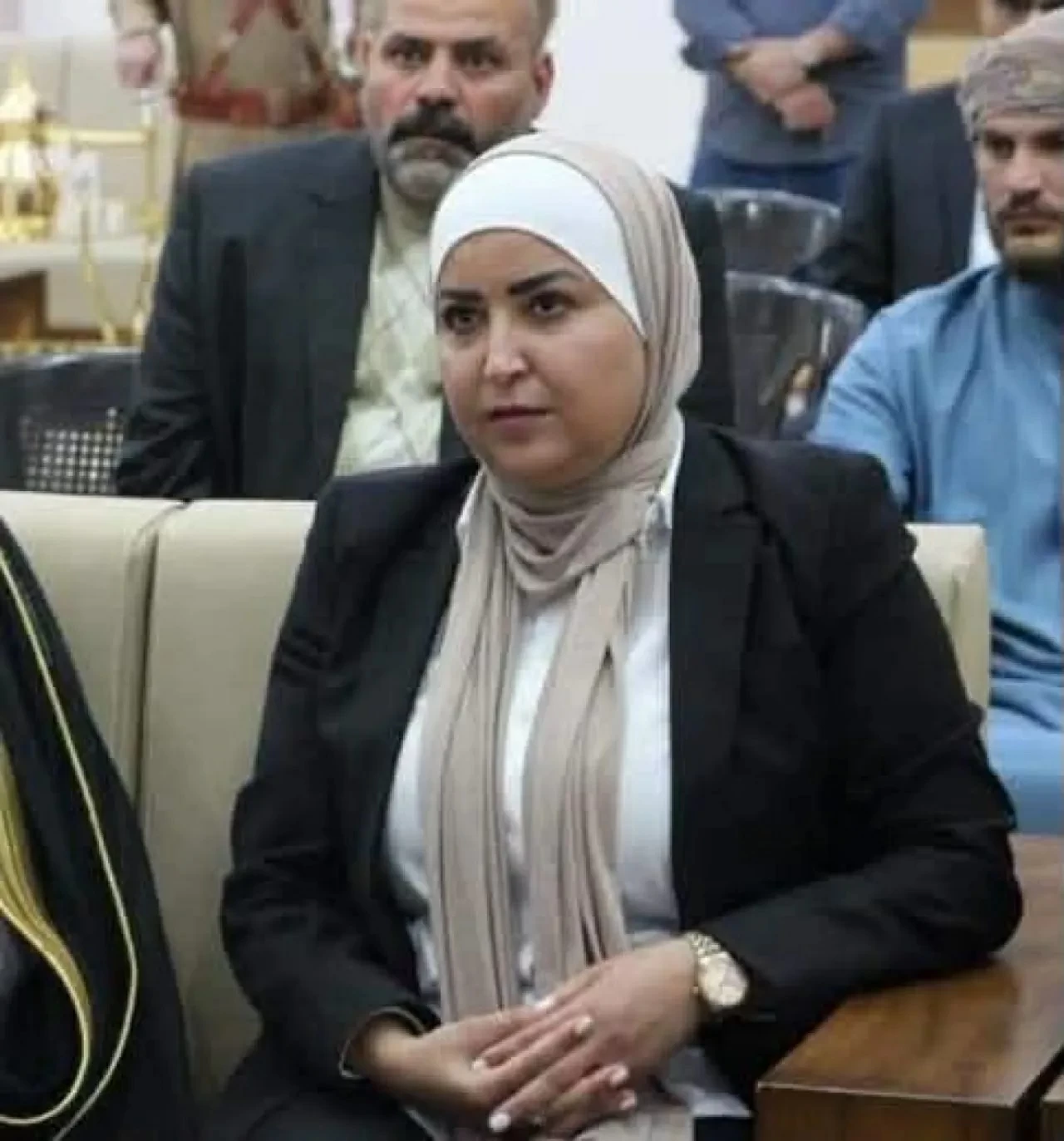
في مشهد غير مألوف في الأوساط المجتمعية والعشائرية في الأردن، تحولت إحدى الجاهات العشائرية التقليدية إلى مسرح لجدل حاد لم تتوقف أصداؤه بعد، وذلك إثر خطوة غير مسبوقة تمثلت في ترؤس النائب السابق ميادة شريم للجاهة، وهو الدور الذي احتكره الرجال الأردنيون لقرون طويلة.
بين مستنكر يرى في الواقعة خروجاً صارخاً عن العادات المتوارثة، ومؤيد يراها تحولاً شجاعاً يثبت قدرة المرأة على إدارة أعتى الأزمات، اندلع صراع فكري محتدم أعاد رسم حدود المشاركة النسائية في المجتمع.
لكن القصة لم تبدأ في المجالس العشائرية، بل بدأت بصرخة استغاثة وجهتها سيدة وابنها إلى النائب السابق ميادة شريم، إثر تعرض الشاب لضرب مبرح أدى إلى تعقد النزاع وتفاقم الأزمة.
والمفاجأة الصادمة التي كشفتها شريم تمثلت في أن أطراف النزاع كانوا قد لجأوا سابقاً إلى أكثر من شيخ من وجهاء المنطقة، إلا أن كل المحاولات التقليدية انتهت إلى طريق مسدود.
وهنا قررت شريم التدخل المباشر، حيث تواصلت مع كافة الأطراف، وأسهمت في توفير المبالغ المالية اللازمة لعلاج الشاب، فضلاً عن المساعدة في الإفراج عن أحداث محتجزين، ليتحقق الصلح النهائي على يديها.
وأمام عاصفة الانتقادات، خرجت ميادة شريم بتصريحات أكدت فيها أن قدرتها على إنهاء الأزمة لا تعني أبداً صداماً مع الأعراف العشائرية أو تجاوزاً لها، قائلة: «المرأة قادرة على القيام بدور إصلاحي حقيقي إلى جانب الرجل، والهدف ليس المنافسة أو التعدي على التقاليد، بل إحقاق الحق وإحلال السلام».
وفي المقابل، جاء الرد العشائري الحاسم على لسان الشيخ عبدالكريم سلامة الحويان، الذي شدد على أن للجاهة أصولاً وقواعد صارمة لا تقبل التجزئة، مبيناً أن المتعارف عليه تاريخياً هو تقدم الشيوخ والوجهاء لرئاستها. وأوضح أن موقفه لا يحمل أي انتقاص من مكانة المرأة، إلا أن «لكل مقام رجاله، والحفاظ على هذه الأصول الثابتة هو ما يصون هيبة الجاهة ومكانتها بين العشائر».
وبين تمسك التيارات المحافظة بالثوابت العرفية باعتبارها درعاً للهوية العشائرية الأردنية، وترحيب أوساط أخرى بكسر الجمود وتوسع دور المرأة في الملفات الإصلاحية، فتحت حادثة «ميادة شريم» الباب واسعاً أمام أسئلة شائكة: فهل تكون هذه الواقعة مجرد استثناء عابر، أم أنها بداية لمرحلة جديدة تعيد رسم القواعد العشائرية في الأردن؟
In an unusual scene within the community and tribal circles in Jordan, one of the traditional tribal gatherings turned into a stage for intense debate that has not yet subsided, following an unprecedented step represented by former MP Mayada Shreim chairing the gathering, a role that Jordanian men have monopolized for centuries.
Between those who condemn the incident as a blatant departure from inherited customs and supporters who see it as a courageous transformation that proves a woman's ability to manage the toughest crises, a heated intellectual conflict erupted, redrawing the boundaries of women's participation in society.
However, the story did not begin in the tribal councils; it began with a cry for help directed by a woman and her son to former MP Mayada Shreim, following the young man's brutal beating, which complicated the dispute and exacerbated the crisis.
The shocking revelation made by Shreim was that the parties involved in the dispute had previously sought the help of more than one elder from the region, but all traditional attempts had ended in deadlock.
Here, Shreim decided to intervene directly, as she communicated with all parties and contributed to providing the necessary financial amounts for the young man's treatment, in addition to assisting in the release of detained minors, leading to a final reconciliation achieved by her.
In the face of a storm of criticism, Mayada Shreim issued statements affirming that her ability to resolve the crisis does not mean a confrontation with tribal customs or a transgression of them, stating: "Women are capable of playing a real reformative role alongside men, and the goal is not competition or encroachment on traditions, but rather establishing justice and achieving peace."
On the other hand, the decisive tribal response came from Sheikh Abdulkarim Salama Al-Huyan, who emphasized that the gathering has strict origins and rules that do not accept fragmentation, indicating that historically it is customary for elders and notables to lead it. He clarified that his position does not diminish the status of women, but rather that "every position has its men, and preserving these established principles is what safeguards the dignity of the gathering and its status among the tribes."
Amid the insistence of conservative factions on customary constants as a shield for Jordanian tribal identity, and the welcome from other circles for breaking the stagnation and expanding the role of women in reform issues, the incident of "Mayada Shreim" has opened the door wide to thorny questions: Is this incident merely a fleeting exception, or is it the beginning of a new phase that redraws tribal rules in Jordan?