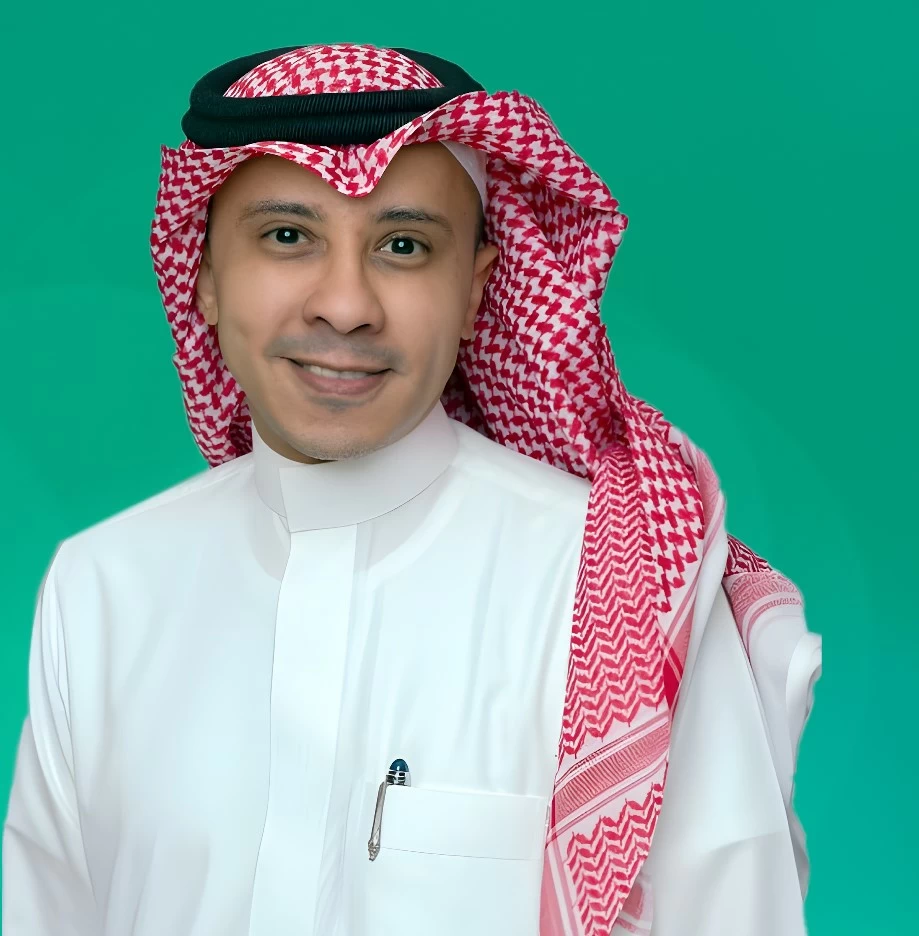
كشف المتحدث باسم هيئة التأمين سلطان القحطاني لـ«عكاظ»، أن نطاق التغطية التأمينية للسائقين يختلف بحسب نوع وثيقة تأمين المركبة، مشدداً على ضرورة التمييز بين تغطية المسؤولية تجاه الطرف الثالث، وتغطية الأضرار أو الخسائر التي تلحق بالمركبة المؤمن عليها نفسها.
وأوضح القحطاني، أن التأمين الشامل على المركبات الخاصة بالأفراد يشمل المؤمن له، والسائق ذا صلة القرابة بالمؤمن له، وهم: الأب، والأم، والزوج، والزوجة، والابن، والابنة، والأخ، والأخت، إضافة إلى السائق الذي يكون تحت كفالة المؤمن له أو يعمل لديه بموجب عقد عمل، وذلك وفق أحكام وشروط الوثيقة ومتطلبات القيادة النظامية.
وأضاف، أن أي سائق آخر لا يدخل ضمن الفئات المشمولة بتعريف السائق في الوثيقة يمكن إضافته بصفته «سائقاً مسمى»، من خلال إدراج اسمه في جدول الوثيقة، وفق إجراءات شركة التأمين وقواعد الاكتتاب والتسعير المعتمدة لديها.
وأكد القحطاني، أن عدم تسمية السائق لا يعني بالضرورة سقوط جميع التغطيات التأمينية، مشيراً إلى ضرورة الفصل بين المسؤولية تجاه الطرف الثالث والأضرار التي تلحق بالمركبة المؤمن عليها نفسها. وبيّن أنه في حال قيادة المركبة من قبل سائق مؤهل نظاماً وغير مسمى في وثيقة التأمين الشامل تبقى المسؤولية المدنية تجاه الطرف الثالث مغطاة وفق أحكام وشروط التأمين الإلزامي على المركبات، فيما لا تشمل التغطية الأساسية للتأمين الشامل الخسارة أو الضرر الذي يلحق بالمركبة المؤمن عليها نتيجة الحادثة، إذا كان السائق غير مشمول بالتغطية المقررة للمركبة، ما لم تتضمن الوثيقة تغطية إضافية تنص على شمول هذه الحالة.
وأوضح القحطاني، أن بعض الحالات قد يترتب عليها كذلك حق شركة التأمين في الرجوع على المؤمن له أو السائق بعد تعويض الطرف الثالث، متى تحققت إحدى حالات الرجوع المنصوص عليها في الوثيقة الموحدة للتأمين الإلزامي على المركبات، دون أن يؤثر ذلك في حق الطرف الثالث في الحصول على التعويض وفق الأحكام النظامية.
وفي التأمين الإلزامي على المركبات «ضد الغير»، أوضح القحطاني، أن الغرض الأساسي من الوثيقة هو تغطية المسؤولية المدنية تجاه الطرف الثالث عن الأضرار الجسدية والمادية والمصاريف الناتجة عن الحادثة، وفق أحكام الوثيقة. وبيّن أن هذه التغطية لا تشترط أن يكون السائق من أقارب مالك المركبة أو أن يكون اسمه مدرجاً في الوثيقة، مع مراعاة متطلبات القيادة النظامية وحالات الرجوع والاستثناءات المنصوص عليها.
وفي ما يتعلق بالتأمين الشامل على المركبات المؤجرة تمويلياً للأفراد، أوضح القحطاني، أن نطاق تغطية المركبة نفسها يرتبط بالسائقين المصرح لهم والمدونة بياناتهم وفق أحكام وجدول الوثيقة، مشيراً إلى أنه عند الرغبة في إضافة سائق آخر، يتعين استكمال إجراءات إضافته والتفويضات النظامية المطلوبة لدى الجهات ذات العلاقة وشركة التأمين.
وشدد المتحدث باسم هيئة التأمين، على أهمية مراجعة المؤمن لهم جدول الوثيقة والتغطيات والاستثناءات قبل السماح لأي شخص بقيادة المركبة، والتأكد بشكل خاص مما إذا كانت التغطية تشمل المركبة المؤمن عليها نفسها عند قيادة سائق إضافي، وعدم الاكتفاء بافتراض أن وجود التأمين الشامل يعني تغطية المركبة في جميع الحالات. وأكد أن تغطية الطرف الثالث وتغطية المركبة المؤمن عليها مسألتان منفصلتان من الناحية التأمينية؛ فقد يكون الطرف الثالث مشمولاً بالتعويض في حادثة معينة في الوقت الذي لا تكون فيه الأضرار التي لحقت بالمركبة المؤمن عليها ذاتها مشمولة بالتعويض.
The spokesperson for the Insurance Authority, Sultan Al-Qahtani, revealed to "Okaz" that the scope of insurance coverage for drivers varies depending on the type of vehicle insurance policy, emphasizing the necessity to distinguish between liability coverage towards third parties and coverage for damages or losses that occur to the insured vehicle itself.
Al-Qahtani explained that comprehensive insurance for private vehicles includes the insured, and drivers who are related to the insured, namely: father, mother, husband, wife, son, daughter, brother, and sister, in addition to the driver who is under the sponsorship of the insured or works for them under a work contract, according to the provisions and conditions of the policy and the requirements for lawful driving.
He added that any other driver not included in the categories defined in the policy can be added as a "named driver" by including their name in the policy schedule, in accordance with the procedures of the insurance company and the underwriting and pricing rules it has adopted.
Al-Qahtani confirmed that not naming the driver does not necessarily mean that all insurance coverages are void, pointing out the need to separate liability towards third parties from damages that occur to the insured vehicle itself. He clarified that if the vehicle is driven by a legally qualified driver who is not named in the comprehensive insurance policy, civil liability towards third parties remains covered according to the provisions and conditions of mandatory vehicle insurance, while the basic coverage of comprehensive insurance does not include loss or damage to the insured vehicle resulting from the accident if the driver is not covered under the designated coverage for the vehicle, unless the policy includes additional coverage that stipulates this situation.
Al-Qahtani explained that some cases may also give the insurance company the right to seek recourse against the insured or the driver after compensating the third party, whenever one of the recourse situations stipulated in the unified policy for mandatory vehicle insurance is realized, without affecting the third party's right to obtain compensation according to the legal provisions.
Regarding mandatory vehicle insurance "against third parties," Al-Qahtani clarified that the primary purpose of the policy is to cover civil liability towards third parties for bodily and material damages and expenses resulting from the accident, according to the provisions of the policy. He indicated that this coverage does not require the driver to be a relative of the vehicle owner or to have their name listed in the policy, while considering the requirements for lawful driving and the recourse situations and exceptions stipulated.
Concerning comprehensive insurance for vehicles leased financially to individuals, Al-Qahtani explained that the scope of coverage for the vehicle itself is linked to the authorized drivers whose information is recorded according to the provisions and schedule of the policy, noting that when wishing to add another driver, the necessary procedures for their addition and the required legal authorizations must be completed with the relevant authorities and the insurance company.
The spokesperson for the Insurance Authority emphasized the importance of policyholders reviewing the policy schedule, coverages, and exclusions before allowing anyone to drive the vehicle, and specifically ensuring whether the coverage includes the insured vehicle itself when driven by an additional driver, and not merely assuming that having comprehensive insurance means coverage for the vehicle in all cases. He confirmed that third-party coverage and coverage for the insured vehicle are two separate matters from an insurance perspective; a third party may be entitled to compensation in a specific accident while the damages to the insured vehicle itself may not be covered for compensation.