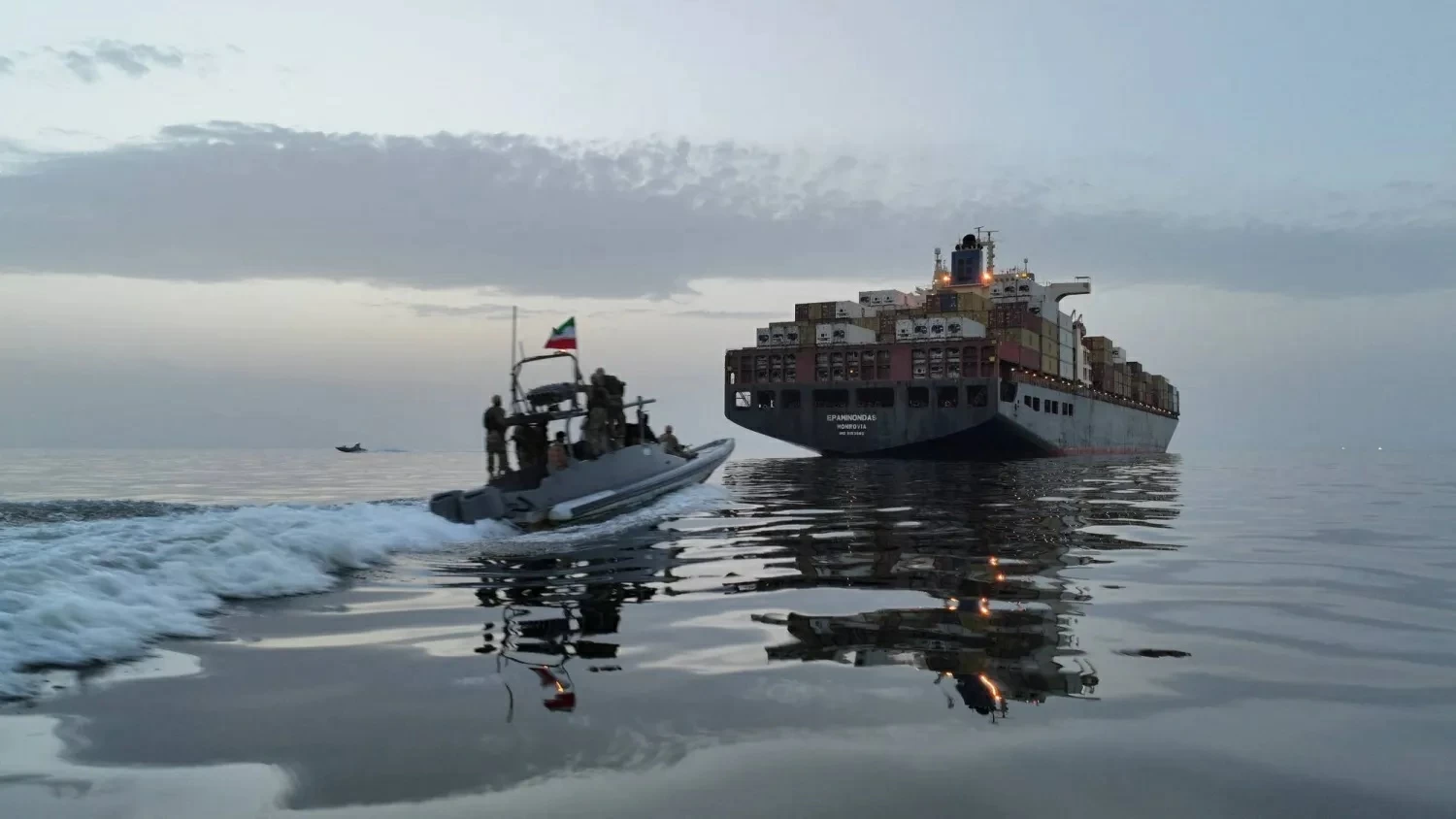
قتل شخص وأصيب ثلاثة آخرون، اليوم (الأحد)، إثر استهداف سفينة تجارية إيرانية في مضيق هرمز، في حادثةة جديدة تعكس تصاعد المخاطر الأمنية في أحد أهم الممرات البحرية العالمية، بالتزامن مع استمرار المواجهة بين إيران والولايات المتحدة.
وقال محافظ جزيرة قشم حسين أميرتيموري، وفق ما نقلته وسائل الإعلام الإيرانية الرسمية، إن السفينة تعرضت للاستهداف نحو الساعة الخامسة صباحاً بالتوقيت المحلي، أثناء وجودها في نطاق جزيرة هنجام وساحل شيبدراز في جزيرة قشم، مؤكداً مقتل شخص وإصابة ثلاثة آخرين.
وأفادت وكالة «تسنيم» الإيرانية بأن المقذوف الذي أصاب السفينة «مجهول المصدر»، وأن نوعه لم يتحدد بعد، فيما تحدثت تقارير عن سماع دوي انفجارات عدة خلال ساعات الليل في محيط جزيرة قشم، أكبر الجزر الواقعة في مضيق هرمز.
وتزامن ذلك مع إعلان هيئة عمليات التجارة البحرية البريطانية تلقيها بلاغاً عن إصابة سفينة بقذيفة أثناء عبورها المضيق، مشيرة إلى أن حجم الأضرار التي لحقت بالسفينة وحالة أفراد طاقمها لم تتضح في الساعات الأولى من الحادثةة.
ويأتي استهداف السفينة وسط تصاعد التوترات حول مضيق هرمز، الذي يعد ممراً حيوياً لحركة التجارة العالمية وإمدادات الطاقة، ما يثير مخاوف متزايدة من اتساع نطاق الهجمات وارتفاع المخاطر التي تواجه السفن التجارية وناقلات النفط.
وتصاعدت بالفعل المخاوف في أسواق الطاقة، بعدما تجاوز سعر خام برنت حاجز 100 دولار للبرميل خلال الأسبوع الماضي، وسط مخاوف من أن يؤدي استمرار الهجمات وتعطل حركة الملاحة إلى دفع الأسعار نحو مستويات أعلى، خصوصاً في ظل أهمية المضيق لحركة شحنات النفط والغاز.
سياسياً، لا تزال قنوات الحوار بين واشنطن وطهران متوقفة منذ انهيار اتفاق أُبرم في يونيو الماضي، في وقت تشدد فيه إيران شروطها لاستئناف المفاوضات. وقال رئيس لجنة الأمن القومي في البرلمان الإيراني إبراهيم عزيزي إن الحوار لا جدوى منه ما لم تقبل الولايات المتحدة جميع الشروط الإيرانية.
وفي تطور مرتبط بالملاحة، أعلنت الخارجية الإيرانية أن طهران ستشارك غداً (الإثنين) في اجتماع تستضيفه سلطنة عمان مع دول خليجية عربية، لبحث مستقبل الملاحة في مضيق هرمز، بحضور العراق.
ونقلت «تسنيم» عن مصدر إيراني أن اتفاقاً بين طهران ومسقط بشأن مسارات العبور في المضيق سيُطرح خلال الاجتماع، مشيراً إلى أن إيران لن تعيد فتح المضيق ما لم تتم الاستجابة لسبعة شروط نقلتها إلى الولايات المتحدة.
وتطالب طهران بالاعتراف بما تعتبره سيطرتها على مضيق هرمز، بما يتيح لها فرض رسوم على السفن العابرة، وهو مطلب ترفضه واشنطن، بينما تؤكد سلطنة عمان أنها تجري اتصالات ومفاوضات بشأن ترتيبات الملاحة بالتنسيق مع دول المنطقة.
ويعيد التصعيد حول المضيق المخاوف من تحوله إلى ساحة مواجهة مفتوحة تهدد أمن الملاحة وإمدادات الطاقة، في وقت تتسع فيه رقعة التوترات العسكرية في الشرق الأوسط.
A person was killed and three others were injured today (Sunday) as a result of an attack on an Iranian commercial vessel in the Strait of Hormuz, in a new incident that reflects the rising security risks in one of the world's most important maritime corridors, coinciding with the ongoing confrontation between Iran and the United States.
The governor of Qeshm Island, Hossein Amir-Timouri, stated, according to Iranian state media, that the ship was targeted around 5 a.m. local time while it was in the vicinity of Hengam Island and the coast of Sheibdaraz on Qeshm Island, confirming the death of one person and the injury of three others.
The Iranian news agency "Tasnim" reported that the projectile that hit the ship was of "unknown origin," and its type has not yet been determined, while reports mentioned hearing several explosions during the night around Qeshm Island, the largest island located in the Strait of Hormuz.
This coincided with the announcement by the British Maritime Trade Operations that it had received a report about a ship being hit by a projectile while crossing the strait, noting that the extent of the damage to the ship and the condition of its crew members were not clear in the early hours of the incident.
The targeting of the ship comes amid rising tensions around the Strait of Hormuz, which is considered a vital passage for global trade and energy supplies, raising increasing concerns about the expansion of attacks and the heightened risks facing commercial vessels and oil tankers.
Indeed, fears have already escalated in energy markets after Brent crude prices surpassed $100 per barrel last week, amid concerns that the continuation of attacks and disruptions to navigation could push prices to higher levels, especially given the strait's importance for oil and gas shipments.
Politically, communication channels between Washington and Tehran remain stalled since the collapse of an agreement reached last June, while Iran is tightening its conditions for resuming negotiations. The head of the Iranian Parliament's National Security Committee, Ibrahim Azizi, stated that dialogue is pointless unless the United States accepts all Iranian conditions.
In a related development regarding navigation, the Iranian Foreign Ministry announced that Tehran will participate tomorrow (Monday) in a meeting hosted by Oman with Arab Gulf states to discuss the future of navigation in the Strait of Hormuz, with the presence of Iraq.
Tasnim reported from an Iranian source that an agreement between Tehran and Muscat regarding transit routes in the strait will be presented during the meeting, indicating that Iran will not reopen the strait unless seven conditions conveyed to the United States are met.
Tehran demands recognition of what it considers its control over the Strait of Hormuz, which would allow it to impose fees on passing ships, a demand that Washington rejects, while Oman confirms that it is conducting communications and negotiations regarding navigation arrangements in coordination with regional countries.
The escalation around the strait raises fears of it turning into an open confrontation arena that threatens navigation security and energy supplies, at a time when military tensions in the Middle East are widening.