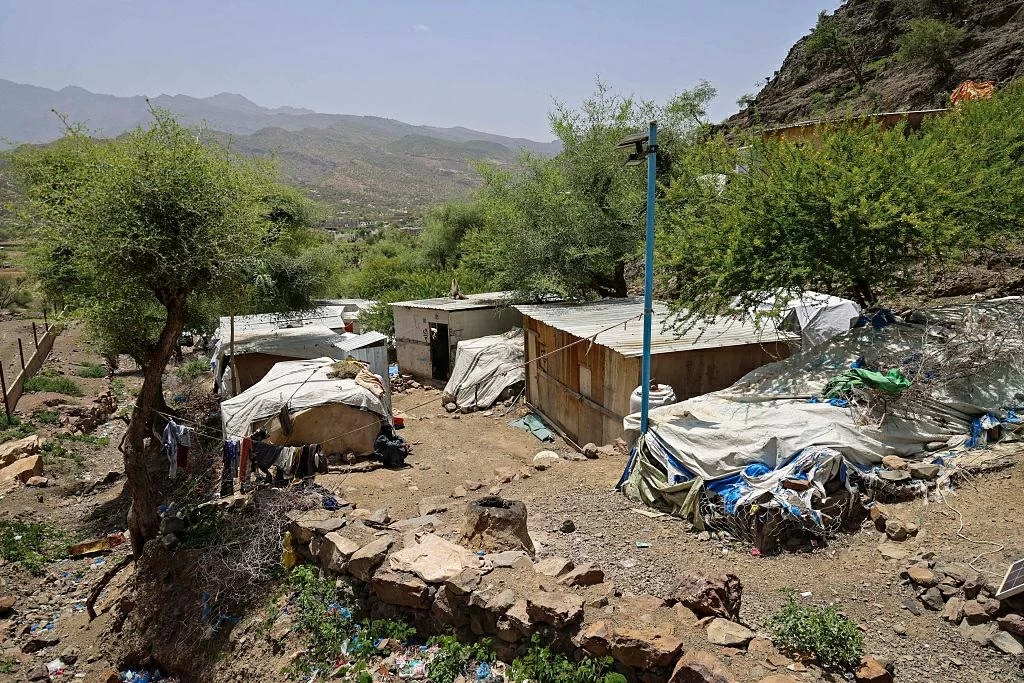
لم تكن أمان مرشد تبحث عن بيت جديد. كانت تبحث فقط عن مكان لا تصل إليه الحرب. وبعد أكثر من خمس سنوات قضتها نازحة في منطقة الكدحة بتعز، كانت أمان، وهي أم لخمسة أبناء، قد علّقت أملها على شيء بسيط: أن تهدأ الجبهة بما يكفي لتعود إلى منزلها وأرضها، حيث كانت أسرتها تزرع وتربي المواشي.
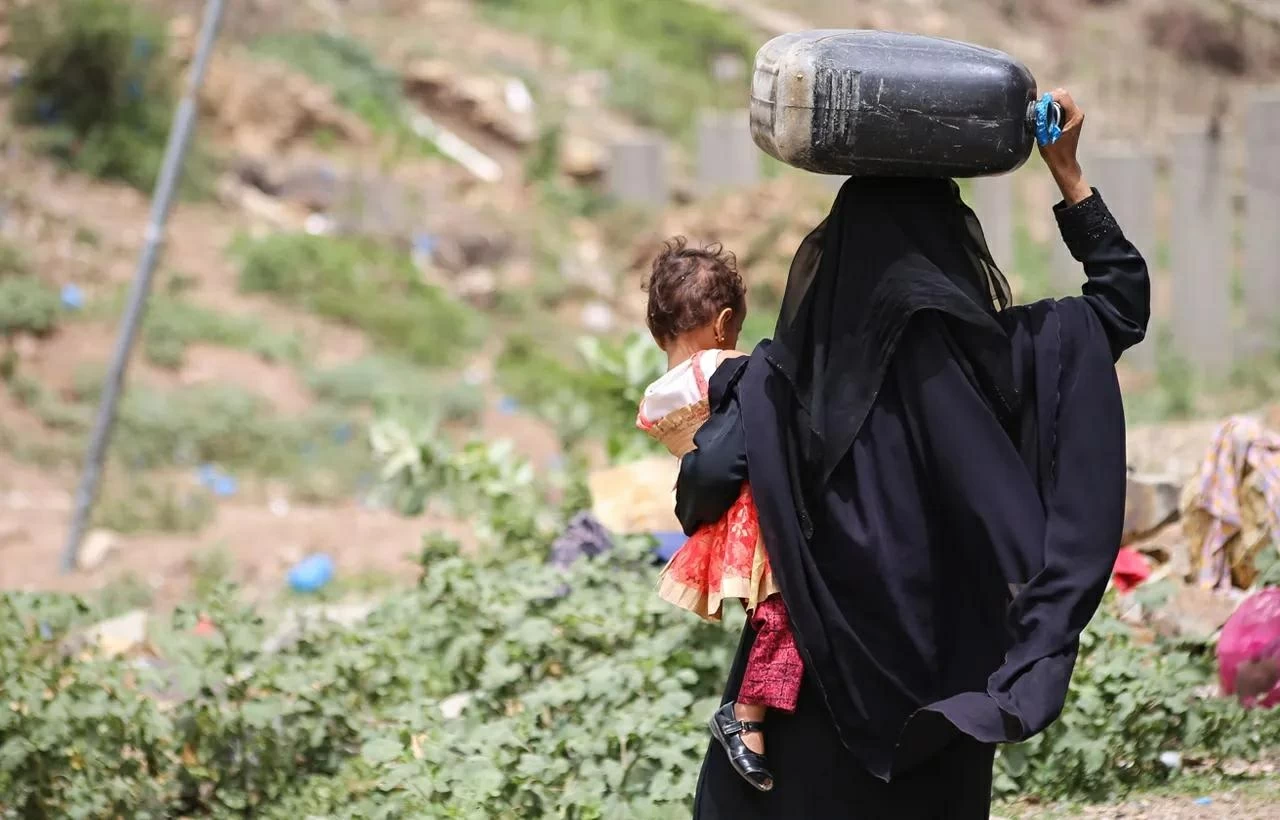
لكن الحرب التي طاردتها من منزلها لم تتوقف عند حدود ذلك المنزل. ووصلت إلى المكان الذي لجأت إليه. وعند نحو الخامسة صباحاً، اضطرت أمان إلى الفرار مرة أخرى مع أبنائها. لم تجد سيارة تنقلها، فسارت الأسرة أكثر من كيلومترين قبل أن تعرض عليها شاحنة صغيرة نقلها إلى مخيم آخر.
هناك، لم تعد تفكر في العودة إلى المنزل. صار الحلم أصغر بكثير: أن تستعيد بعض الأغراض الأساسية التي تركتها وراءها، وأن تجد ما يكفي من الطعام لأطفالها.
أمان ليست حالة منفردة. إنها واحدة من الوجوه التي تكشف القصة الحقيقية للتصعيد الحوثي الأخير في اليمن: فالأمر لم يعد مجرد نزوح جديد للسكان من مناطق القتال، وإنما إعادة نزوح لأشخاص سبق أن نزحوا، وأصبح ملجؤهم نفسه غير آمن. وهنا تبدأ المأساة الأكبر.
عندما تصل الميليشيا إلى المخيم
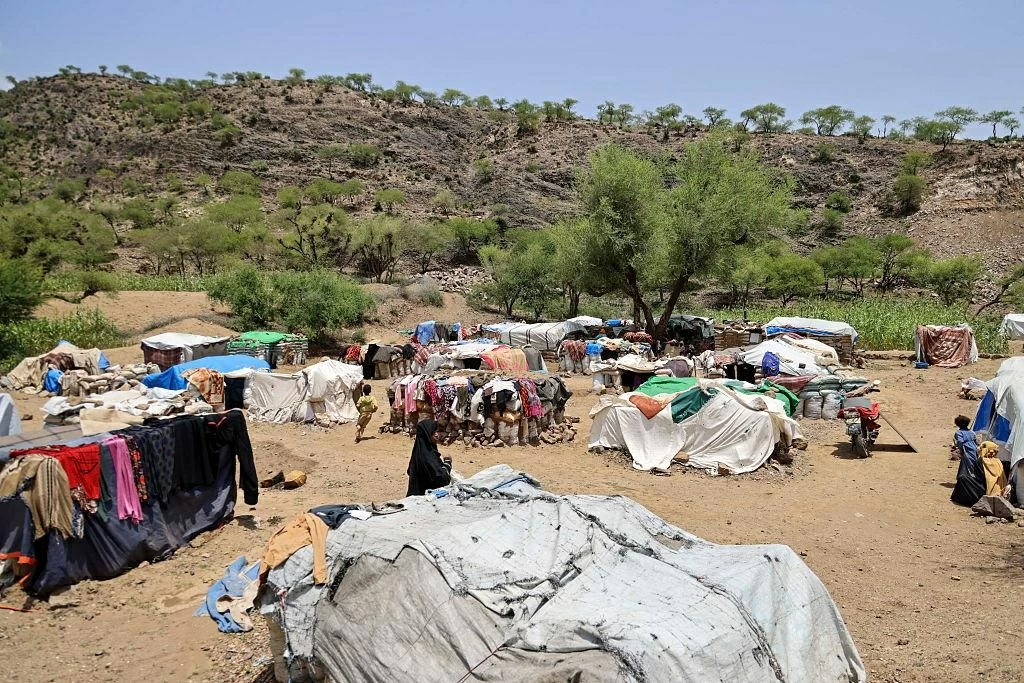
في الحرب التقليدية، يهرب المدني من منطقة الخطر إلى منطقة أكثر أمناً. لكن في غرب اليمن، بدأت المعادلة تنقلب: فالمدني يهرب من منزله، ثم تصل المعارك إلى مخيمه، فيهرب من المخيم، ثم يبحث عن مكان ثالث.
**media«2765111»**
محمد مهيوب (30 عاماً) أب لطفلين، اختبر المعنى نفسه. بعد أن غادر قريته في شمير بمقبنة مع أسرته، لكن المكان الذي لجأ إليه لم يمنحه الأمان الذي بحث عنه. وكان وصفه للمشهد مختصراً وقاسياً: «نزحنا من حرب إلى حرب، ومن مكان غير آمن إلى مكان غير آمن». وهذا هو أحد أخطر وجوه موجة النزوح الحالية، فالمشكلة لم تعد فقط في عدد الذين يفرون، وإنما في انهيار فكرة الملاذ الآمن نفسها.
وفي غرب تعز، وثقت تقارير ميدانية انتقال عائلات من مناطق مقبنة وجبل حبشي إلى مناطق أخرى، بينما كانت بعض مواقع النازحين نفسها ضمن المناطق التي أصبحت مهددة بالقتال. أي أن الخريطة لم تعد تحتوي على خط واضح يفصل بين «الجبهة» و«الملجأ».
نعمة حملت أطفالها.. وتركت مصدر رزقها
في مكان آخر من تعز، كانت نعمة خالد تحاول أن تفعل الشيء الوحيد الذي تستطيع فعله في تلك اللحظة: إنقاذ أطفالها. نزحت الأسرة من جبل حبشي، ولم تكن الرحلة مجرد ترك منزل. ففي مجتمع فقير يعتمد كثير من سكانه على الزراعة وتربية المواشي، تعني الحرب أيضاً خسارة رأس المال الوحيد الذي تملكه الأسرة. كالمواشي، والأرض، والأدوات، والمنزل، والمحصول.. فهذه أشياء لا يمكن وضعها كلها فوق شاحنة والهرب بها.
**media«2765109»**
وهكذا لا ينتهي النزوح عندما يصل الإنسان إلى منطقة أخرى، فحتى إذا نجا من القصف، قد يصل إلى المكان الجديد دون مصدر دخل، ودون غذاء كافٍ، ودون قدرة على إعادة بناء حياته. وهذه هي الحلقة التي تجعل النزوح أكثر قسوة من مجرد انتقال جغرافي. فالأسرة لا تفقد المنزل فقط، بل تفقد قدرتها على العودة إليه.
في المخا.. الهروب كان قبل الفجر
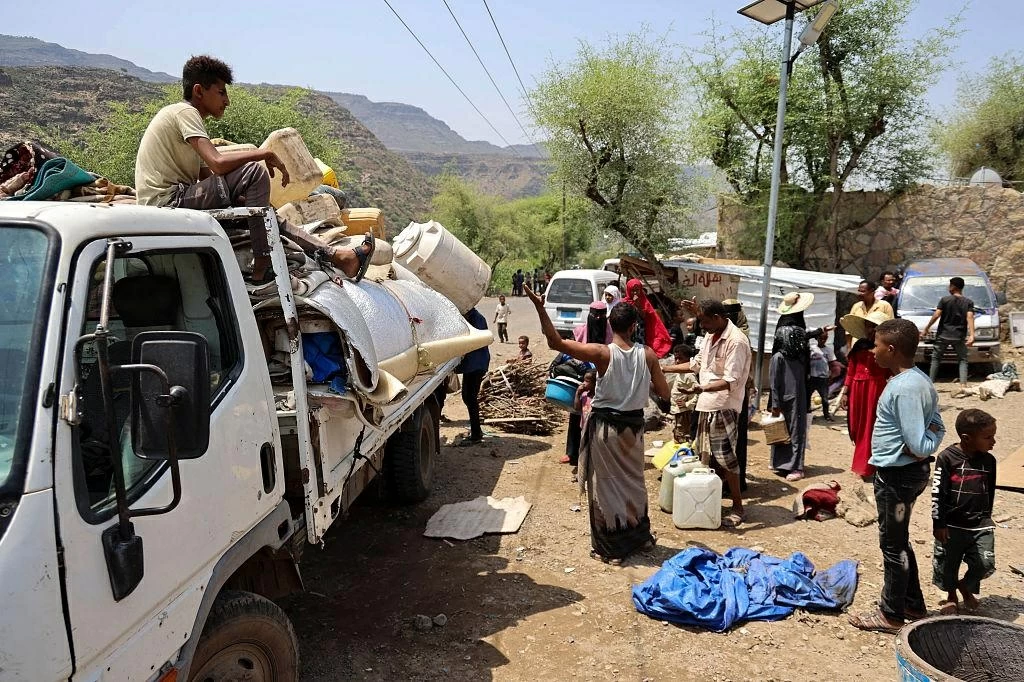
ثم جاءت المخا. وفي الساعات الأولى من صباح 10 سبتمبر، لم تنتظر عائلات كثيرة أن يصبح الخطر واقعاً داخل بيوتها. وغادرت المدينة ليلاً. وشوهدت سيارات تحمل الأثاث، وأسر تجمع أطفالها، وممتلكات تُحشر في المركبات على عجل، بينما يتجه الناس جنوباً بحثاً عن منطقة لم تصل إليها ميليشيا الحوثيين بعد.
ووثقت تقارير ميدانية مشاهد لعائلات تغادر أطراف المخا في منتصف الليل، فيما كان آخرون يتجهون نحو ذوباب ولحج وعدن. وقالت المنظمة الدولية للهجرة إن أعداداً كبيرة من السكان غادرت المخا ليلاً وهي تحمل ممتلكاتها بحثاً عن الأمان.
المشهد هنا ليس مجرد نزوح من مدينة. إنه إخلاء جماعي تحت ضغط الخوف. فحين يبدأ الناس في تحميل الأثاث في الظلام، فهذا يعني أنهم لا يغادرون ليوم أو يومين. إنهم لا يعرفون متى سيعودون. وربما لا يعرفون إن كانوا سيعودون أصلاً.
حتى مدير الصحة ترك ذوباب
ومن المفارقات الأكثر دلالة أن موجة الهروب لم تتوقف عند أفقر السكان. صلاح الدرين، مدير مكتب الصحة في ذوباب، اضطر هو الآخر إلى مغادرة المنطقة مع أسرته ليلاً. وأسر أخرى اتجهت إلى رأس العارة، وأخرى إلى عدن.
حين يضطر مسؤول صحي إلى ترك المنطقة التي يفترض أن يقدم فيها الخدمات للسكان، فإن الأزمة تتجاوز نزوح الأسر إلى إفراغ المناطق من الخدمات التي يحتاج إليها النازحون والذين بقوا خلفهم في الوقت نفسه. وهنا تصبح الحرب دائرة مغلقة: بطش ميليشيا الحوثي يدفع السكان إلى الهرب، والهروب يفرغ المناطق من الكوادر، وانهيار الخدمات يجعل الحياة في تلك المناطق أكثر صعوبة، فيدفع مزيداً من السكان إلى الرحيل.
من منزل إلى مخيم.. ثم إلى عدن
علاء علي سالم اختبر جانباً آخر من الرحلة. وهرب مع زوجته وأطفاله على دراجة نارية، في محاولة للوصول إلى مكان أكثر أمناً. لكن طريق الهروب نفسه تحول إلى مأساة. انقلبت الدراجة، وأصيب أفراد الأسرة، وانتهى بهم الأمر ضمن موجة النازحين التي وصلت إلى عدن.
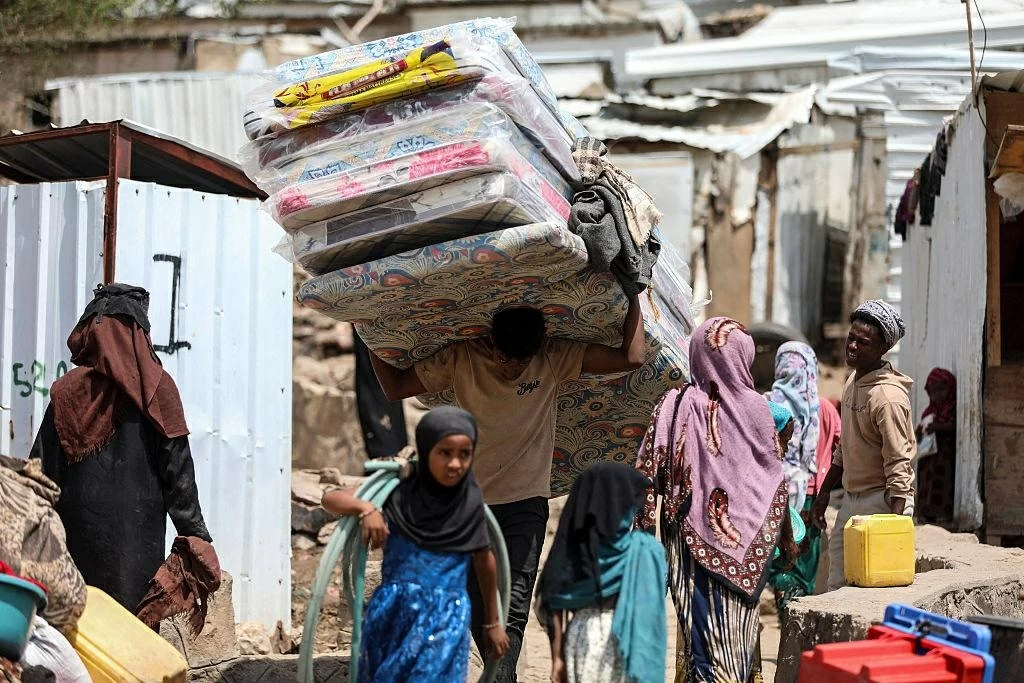
هناك، بدأت مرحلة جديدة من المعاناة: أسر وصلت بلا مساكن، وأطفال على فرش بسيطة، وحاجات متراكمة في مدينة تستقبل أعداداً كبيرة من القادمين من مناطق القتال. وهذه الصورة تشرح لماذا لا يكفي أن نقول إن «النازحين وصلوا إلى عدن». فالوصول ليس نهاية الرحلة. إنه بداية أزمة جديدة. فأين ينام هؤلاء؟ ومن يطعمهم؟ وأين يتعلم الأطفال وفي أي المدارس؟ وكيف يجد الأب عملاً بعدما ترك أرضه؟ وماذا يحدث عندما تصبح المدينة التي استقبلتهم نفسها عاجزة عن استيعاب المزيد؟
.. والذين لا يستطيعون الهرب؟
ربما يكون هذا هو السؤال الأكثر قسوة. لأن النزوح يفترض وجود قدرة على النزوح. لكن هناك عائلات لا تملك سيارة، ولا مالاً للنقل، ولا أقارب في مدينة أخرى، ولا قدرة على استئجار غرفة.
في ذوباب، تحدثت إفادات عن أسر بقيت لأنها ببساطة لا تستطيع المغادرة. وهؤلاء لا يظهرون في أرقام النازحين. فالأسرة التي لم تستطع الهرب لا تُسجل باعتبارها نازحة. لكنها قد تكون الأكثر تعرضاً للخطر.
18,500 في 72 ساعة
وفي الأيام الأولى من التصعيد، كانت الأرقام تتغير بسرعة تفوق قدرة الناس على استيعابها. قالت المنظمة الدولية للهجرة إن نحو 18,500 شخص نزحوا خلال 72 ساعة فقط بعد تصاعد القتال منذ 3 سبتمبر في تعز والحديدة. وبعد أيام، ارتفع تقدير المنظمة إلى 46 ألف شخص على الأقل ممن أجبروا على الفرار منذ بداية التصعيد الأخير، مع تحذير من أن الرقم كان يرتفع «بالساعة».
وفي تقرير آخر، تجاوز عدد النازحين المرتبطين بالموجة الأوسع منذ يوليو 76 ألفاً، بينما تحدثت تقارير أحدث عن أكثر من 85 ألفاً وفق نطاقات زمنية ومنهجيات مختلفة.
أما الأرقام الحكومية اليمنية التي ترصد موجة النزوح التي شملت ست محافظات، فتتحدث عن 9,746 أسرة، تضم 68,338 شخصاً. واليوم تحدثت الأمم المتحدة عن أكثر من 86 ألف نازح.
اختلاف الأرقام هنا لا يلغي القصة؛ بل يكشف سرعتها. فالرقم الذي كان يبدو ضخماً قبل أيام أصبح مجرد محطة في موجة تتسع بسرعة.
قرية تفرغ.. وأرض تنتظر أصحابها
خلف كل رقم أسرة. وخلف كل أسرة منزل وأرض ومزرعة وربما حيوان أو متجر صغير. وعندما يغادر الفلاح، لا يغادر معه محصوله. وعندما يهرب صاحب المتجر، لا يستطيع أن يحمل متجره. وعندما تخرج الأسرة ليلاً، لا تستطيع أن تحمل معها ذكرياتها وآمالها ولا سنوات من حياتها.
ولهذا فإن النزوح الحالي لا يهدد حياة الناس فقط، بل يهدد قدرتهم على العودة إلى الحياة التي كانوا يعيشونها قبل الحرب. وهنا تكمن إحدى أخطر نتائج التصعيد الحوثي في الساحل الغربي. فكل قرية تخلو من سكانها، وكل مزرعة تُترك، وكل مدرسة تُغلق، وكل مركز صحي يتوقف، تعني أن العودة بعد انتهاء المعارك ستصبح أصعب. والحوثيون لا يدفعون الناس بعيداً عن مناطق سيطرتهم وانتهاكاتهم فقط، بل إن التصعيد الحوثي يدفع الناس بعيداً عن مستقبلهم.
حين يصبح البحر آخر طريق
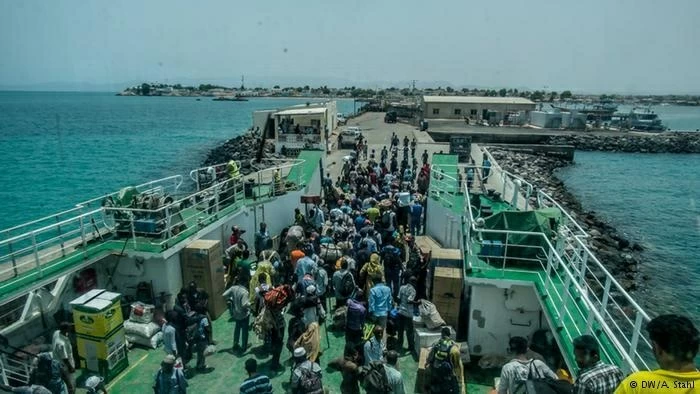
ولعل أكثر المشاهد دلالة على اتساع الكارثة أن بعض اليمنيين لم يعودوا يبحثون عن مكان آخر داخل بلادهم. بل بدأوا يبحثون عنه خلف البحر. فتقارير حديثة تحدثت عن وصول نحو 1,400 يمني إلى جيبوتي خلال 24 ساعة بعد فرارهم من نيران الحوثي، في موجة دفعت بعض الأسر إلى عبور باب المندب بدلاً من مواصلة رحلة النزوح داخل اليمن. وهنا تبلغ القصة ذروتها: فالمواطن اليمني الذي فر من منزله، ثم من مخيمه، ثم من مدينته، يجد نفسه أمام البحر. وفي الجهة الأخرى جيبوتي. ولم يعد السؤال: «إلى أي مخيم سنذهب؟» بل: «هل نعبر البحر؟»
**media«2765137»**
إنها مخاطرة هائلة، خصوصاً للعائلات التي تحمل أطفالاً ولا تعرف ما ينتظرها في الضفة الأخرى. لكن مجرد استعداد الناس لخوض هذه المخاطرة يكشف حجم الخوف الذي دفعهم إليها.
الحوثي لا يملك مشروعاً للمدن.. بل مشروعاً للفرار
منذ سنوات، تقدم ميليشيا الحوثي نفسها باعتبارها قوة تقاتل من أجل اليمن. لكن المشهد على الأرض يقدم صورة مختلفة تماماً. فكلما اتسعت رقعة القتال، اتسعت معها رقعة النزوح. وكلما سيطرت الميليشيا على منطقة، بدأ المدنيون في البحث عن منطقة أخرى. والنتيجة ليست فقط قتلى وجرحى. النتيجة مدن وقرى تفقد سكانها، وأسر تفقد منازلها، ومزارعون يفقدون أراضيهم، وأطفال يفقدون مدارسهم، ومرضى يفقدون الخدمات، ونازحون يكتشفون أن المخيم الذي ظنوه ملاذاً يمكن أن يتحول هو الآخر إلى نقطة فرار.
وهذا تحديداً ما يجعل مسؤولية الحوثيين عن هذه المأساة أكبر من مجرد مسؤولية طرف في اشتباك عسكري. فالقرارات العسكرية التي تدفع الجبهات نحو المناطق المأهولة، والتقدم الذي يجبر السكان على ترك بيوتهم، واستخدام المناطق المدنية في سياق العمليات، كلها تنتهي إلى نتيجة واحدة: المدني هو الذي يدفع الثمن.
الحرب التي تطارد النازحين
أمان مرشد قضت أكثر من خمس سنوات وهي تنتظر العودة.
نعمة خالد حملت أطفالها وتركت وراءها ما تملك من مصدر رزق.
محمد مهيوب لم يعد يعرف أين يمكن أن يجد مكاناً آمناً.
علاء علي سالم أصيب هو وأسرته أثناء الهروب.
سكان المخا غادروا في الظلام، محملين بما استطاعوا إنقاذه.
ومدير صحة ذوباب ترك منطقته مع أسرته.
ثم هناك من اختار البحر.
هذه ليست قصصاً منفصلة. إنها مراحل مختلفة لقصة واحدة. قصة بلد أصبح فيه النازح معرضاً لأن يصبح نازحاً مرة أخرى. فمن البيت إلى المخيم، ومن المخيم إلى مخيم آخر، ومن المخيم الثاني إلى محافظة جديدة، ومن المحافظات إلى عدن أو حتى إلى البحر.
**media«2765108»**
وفي كل محطة، تقل الممتلكات، وتكبر الخسارة، ويصبح احتمال العودة أبعد. لهذا فإن الرقم الحقيقي لمأساة التصعيد الحوثي ليس فقط عدد الذين غادروا بيوتهم. الرقم الحقيقي هو عدد الذين لم يعد لديهم بيت يستطيعون العودة إليه، أو أرض يستطيعون استئناف حياتهم فيها، أو مخيم يثقون بأنه سيبقى آمناً.
وفي غرب اليمن اليوم، يبدو أن السؤال الذي يطارد آلاف العائلات لم يعد: «متى تنتهي الحرب؟» بل أصبح: «إلى أين نهرب إذا وصلت ميليشيا الحوثي إلينا هنا أيضاً؟»
Aman Murshid was not looking for a new home. She was only searching for a place untouched by war. After more than five years of displacement in the Al-Kadha area of Taiz, Aman, a mother of five, had pinned her hopes on something simple: that the frontlines would calm enough for her to return to her home and land, where her family used to farm and raise livestock.
But the war that chased her from her home did not stop at the boundaries of that house. It reached the place where she sought refuge. At around five in the morning, Aman was forced to flee again with her children. She found no car to take her, so the family walked more than two kilometers before a small truck offered to take them to another camp.
There, she no longer thought about returning home. The dream had shrunk significantly: to retrieve some essential belongings she had left behind and to find enough food for her children.
Aman is not an isolated case. She is one of the faces that reveal the true story of the recent Houthi escalation in Yemen: it is no longer just a new displacement of people from combat zones, but a re-displacement of individuals who have already been displaced, and whose refuge is no longer safe. This is where the greater tragedy begins.
When the militia reaches the camp
In traditional warfare, civilians flee from danger zones to safer areas. But in western Yemen, the equation has begun to flip: civilians flee from their homes, then the battles reach their camps, forcing them to flee from the camp, and then they search for a third place.
Mohammed Mahyoub (30 years old), a father of two, experienced the same meaning. After leaving his village in Al-Shamir in Maqbana with his family, the place they sought refuge in did not provide the safety they were looking for. His description of the scene was brief and harsh: “We fled from war to war, from an unsafe place to another unsafe place.” This is one of the most dangerous aspects of the current wave of displacement; the problem is no longer just about the number of those fleeing, but about the collapse of the very idea of a safe haven.
In western Taiz, field reports documented the movement of families from Maqbana and Jabal Habashi to other areas, while some of the displacement sites themselves were within areas that became threatened by fighting. This means that the map no longer contains a clear line separating the “front” from the “refuge.”
Ni'mah carried her children... and left her source of livelihood
In another part of Taiz, Ni'mah Khalid was trying to do the only thing she could do at that moment: save her children. The family was displaced from Jabal Habashi, and the journey was not just about leaving a home. In a poor community where many residents rely on agriculture and livestock, war also means losing the only capital the family possesses, such as livestock, land, tools, the house, and the harvest... These are things that cannot all be loaded onto a truck and fled with.
Thus, displacement does not end when a person reaches another area; even if they survive the shelling, they may arrive at the new place without a source of income, without enough food, and without the ability to rebuild their lives. This is the cycle that makes displacement harsher than mere geographical relocation. The family does not just lose their home; they lose their ability to return to it.
In Al-Mokha... the escape was before dawn
Then came Al-Mokha. In the early hours of September 10, many families did not wait for the danger to become a reality inside their homes. They left the city at night. Cars were seen carrying furniture, families gathering their children, and belongings hastily crammed into vehicles as people headed south in search of an area that had not yet been reached by the Houthi militia.
Field reports documented scenes of families leaving the outskirts of Al-Mokha in the middle of the night, while others headed towards Dhobab, Lahij, and Aden. The International Organization for Migration reported that large numbers of residents left Al-Mokha at night carrying their belongings in search of safety.
The scene here is not just about displacement from a city. It is a mass evacuation under the pressure of fear. When people start loading furniture in the dark, it means they are not leaving for a day or two. They do not know when they will return. They may not even know if they will return at all.
Even the health director left Dhobab
Ironically, the wave of escape did not stop at the poorest residents. Salah Al-Dareen, the health director in Dhobab, was also forced to leave the area with his family at night. Other families headed to Ras Al-Ara, and others to Aden.
When a health official is forced to leave the area where he is supposed to provide services to the residents, the crisis transcends the displacement of families to the evacuation of areas from the services that the displaced and those left behind need at the same time. Here, the war becomes a closed circle: the Houthi militia's oppression drives residents to flee, and fleeing empties areas of personnel, while the collapse of services makes life in those areas more difficult, pushing more residents to leave.
From home to camp... then to Aden
Alaa Ali Salem experienced another aspect of the journey. He fled with his wife and children on a motorcycle, trying to reach a safer place. But the escape route itself turned into a tragedy. The motorcycle overturned, and family members were injured, ending up among the wave of displaced people that reached Aden.
There, a new phase of suffering began: families arrived without homes, children on simple mattresses, and needs piling up in a city that is receiving large numbers of newcomers from combat zones. This image explains why it is not enough to say that “the displaced have arrived in Aden.” Arrival is not the end of the journey. It is the beginning of a new crisis. Where will these people sleep? Who will feed them? Where will the children learn and in which schools? How will the father find work after leaving his land? And what happens when the city that welcomed them becomes unable to accommodate more?
... and those who cannot escape?
This may be the most brutal question. Because displacement assumes the ability to flee. But there are families that do not have a car, no money for transport, no relatives in another city, and no ability to rent a room.
In Dhobab, testimonies spoke of families that remained simply because they could not leave. These do not appear in the displacement numbers. A family that could not escape is not recorded as displaced. But they may be the most at risk.
18,500 in 72 hours
In the early days of the escalation, the numbers changed faster than people could comprehend. The International Organization for Migration reported that about 18,500 people were displaced within just 72 hours after the fighting escalated on September 3 in Taiz and Al-Hudaydah. Days later, the organization's estimate rose to at least 46,000 people who were forced to flee since the beginning of the recent escalation, with a warning that the number was rising “by the hour.”
In another report, the number of displaced persons associated with the broader wave since July exceeded 76,000, while more recent reports spoke of more than 85,000 according to different time frames and methodologies.
The Yemeni government figures that track the wave of displacement across six governorates mention 9,746 families, comprising 68,338 individuals. Today, the United Nations reported more than 86,000 displaced persons.
The discrepancy in numbers here does not negate the story; rather, it reveals its speed. The number that seemed large just days ago has become merely a station in a rapidly expanding wave.
A village empties... and land waits for its owners
Behind every number is a family. Behind every family is a home, land, a farm, and perhaps an animal or a small shop. When a farmer leaves, he does not take his harvest with him. When a shop owner flees, he cannot carry his shop. When a family leaves at night, they cannot take their memories, hopes, or years of their lives with them.
That is why the current displacement threatens not only people's lives but also their ability to return to the life they lived before the war. Here lies one of the most dangerous consequences of the Houthi escalation on the western coast. Every village that empties of its residents, every farm that is left behind, every school that closes, and every health center that stops functioning means that returning after the fighting ends will become more difficult. The Houthis are not just driving people away from their areas of control and violations; the Houthi escalation is driving people away from their future.
When the sea becomes the last route
Perhaps the most telling scene of the expanding disaster is that some Yemenis are no longer looking for another place within their country. They have begun to look for it across the sea. Recent reports mentioned that about 1,400 Yemenis arrived in Djibouti within 24 hours after fleeing from Houthi fire, in a wave that pushed some families to cross the Bab al-Mandab instead of continuing their journey of displacement within Yemen. Here, the story reaches its peak: the Yemeni citizen who fled from his home, then from his camp, then from his city, finds himself facing the sea. On the other side is Djibouti. The question is no longer: “Which camp shall we go to?” but: “Shall we cross the sea?”
It is a huge risk, especially for families with children who do not know what awaits them on the other shore. But the mere willingness of people to take this risk reveals the extent of the fear that has driven them to it.
The Houthis do not have a project for cities... but a project for fleeing
For years, the Houthi militia has presented itself as a force fighting for Yemen. But the scene on the ground presents a completely different picture. The wider the fighting expands, the wider the displacement becomes. The more the militia controls an area, the more civilians begin to search for another area. The result is not just casualties and injuries. The result is cities and villages losing their populations, families losing their homes, farmers losing their lands, children losing their schools, patients losing services, and displaced persons discovering that the camp they thought was a refuge can also turn into a point of escape.
This is precisely what makes the responsibility of the Houthis for this tragedy greater than just being a party in a military clash. The military decisions that push fronts towards populated areas, the advances that force residents to leave their homes, and the use of civilian areas in the context of operations all lead to one result: the civilian pays the price.
The war that chases the displaced
Aman Murshid has spent more than five years waiting to return.
Ni'mah Khalid carried her children and left behind what she had of a source of livelihood.
Mohammed Mahyoub no longer knows where he can find a safe place.
Alaa Ali Salem was injured along with his family during the escape.
The residents of Al-Mokha left in the dark, loaded with what they could salvage.
And the health director of Dhobab left his area with his family.
Then there are those who chose the sea.
These are not separate stories. They are different stages of one story. A story of a country where the displaced are at risk of becoming displaced again. From home to camp, from camp to another camp, from the second camp to a new governorate, and from the governorates to Aden or even to the sea.
At every stop, possessions decrease, losses increase, and the possibility of return becomes more distant. Therefore, the real number of the tragedy of the Houthi escalation is not just the number of those who left their homes. The real number is the number of those who no longer have a home to return to, or land to resume their lives on, or a camp they trust will remain safe.
In western Yemen today, it seems that the question haunting thousands of families is no longer: “When will the war end?” but has become: “Where do we flee if the Houthi militia reaches us here too?”