


أفادت صحيفة «جيروسالم بوست»، أن إسرائيل قدمت خريطة ثالثة لانتشار قواتها في قطاع غزة طوال فترة وقف إطلاق النار المقترحة لمدة 60 يوماً.
وتتمثل نقاط الخلاف الرئيسية بين إسرائيل وحركة حماس، في انسحاب القوات الإسرائيلية خلال وقف إطلاق النار، وطريقة توزيع المساعدات داخل قطاع غزة.
وحسب الصحيفة، يظهر الاقتراح الإسرائيلي الثالث لخريطة انتشار جيش الاحتلال خلال وقف إطلاق النار «مرونة أكبر» بشأن موقع العسكريين، على طول الحدود بين قطاع غزة ومصر، بين ممري موراغ وفيلادلفيا.
وبموجب المقترح الجديد، ستقلص إسرائيل وجودها العسكري إلى منطقة عازلة بعرض كيلومترين على طول الحدود الجنوبية قرب رفح. وتحدثت تقارير أن إسرائيل «مستعدة لسحب عدد أكبر من قواتها» خلال فترة الـ60 يوماً.
وتعثرت المفاوضات غير المباشرة بين إسرائيل وحماس بالدوحة في الآونة الأخيرة، وتعد الخلافات حول حجم انسحاب القوات الإسرائيلية، خصوصاً من جنوب قطاع غزة، إحدى أبرز النقاط العالقة.
وكانت إسرائيل تصر في السابق على بقاء قواتها في منطقة كبيرة نسبياً، تشمل منطقة عازلة بعرض 3 كيلومترات على طول الحدود مع مصر قرب مدينة رفح، إضافة إلى ممر موراغ الذي يفصل رفح عن مدينة خان يونس، ثاني كبرى مدن القطاع.
في المقابل، تطالب حركة حماس بانسحاب القوات الإسرائيلية إلى المواقع التي كانت متمركزة فيها، قبل انهيار وقف إطلاق النار الأخير في مارس الماضي. ومن غير المؤكد ما إذا كان هذا المقترح سيؤدي إلى تحقيق تقدم في المفاوضات.
وترتبط رغبة إسرائيل في الحفاظ على وجود عسكري في جنوب غزة بخطط حكومة رئيس الوزراء بنيامين نتنياهو لإقامة مخيم يضم مئات الآلاف من الفلسطينيين، وفقاً لتقارير إعلامية.
ووصف منتقدون هذه الخطط بأنها «معسكر اعتقال» قد يؤدي في نهاية المطاف إلى الترحيل القسري، لكن إسرائيل تزعم أنها «مدينة إنسانية» تهدف لأن تكون قاعدة لمغادرة «طوعية» لسكان غزة.
هل تعرقل «خريطة إسرائيل» مفاوضات هدنة غزة؟
15 يوليو 2025 - 12:43
|
آخر تحديث 15 يوليو 2025 - 13:49
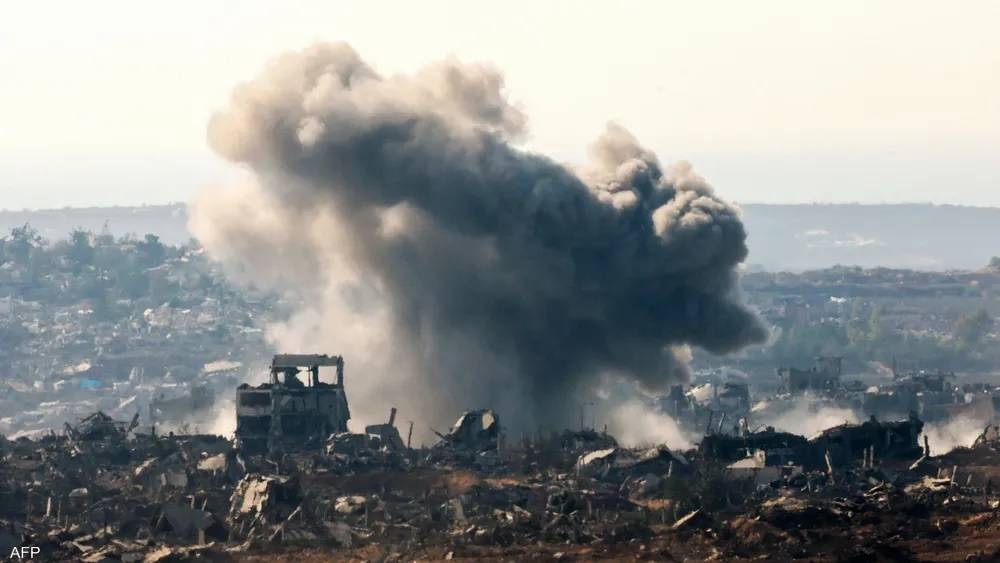
دخان يتصاعد في غزة بعد غارة إسرائيلية


تابع قناة عكاظ على الواتساب
«عكاظ» (غزة) okaz_online@
The newspaper "Jerusalem Post" reported that Israel has presented a third map of its forces' deployment in the Gaza Strip throughout the proposed 60-day ceasefire period.
The main points of contention between Israel and Hamas revolve around the withdrawal of Israeli forces during the ceasefire and the distribution of aid within the Gaza Strip.
According to the newspaper, the third Israeli proposal for the deployment map of the occupying army during the ceasefire shows "greater flexibility" regarding the location of military personnel, along the border between the Gaza Strip and Egypt, between the Morag and Philadelphia passages.
Under the new proposal, Israel will reduce its military presence to a buffer zone two kilometers wide along the southern border near Rafah. Reports have indicated that Israel is "prepared to withdraw a larger number of its forces" during the 60-day period.
Indirect negotiations between Israel and Hamas in Doha have recently stalled, with disagreements over the extent of the withdrawal of Israeli forces, particularly from southern Gaza, being one of the main sticking points.
Previously, Israel insisted on maintaining its forces in a relatively large area, including a buffer zone three kilometers wide along the border with Egypt near the city of Rafah, in addition to the Morag passage that separates Rafah from Khan Younis, the second largest city in the strip.
In contrast, Hamas demands the withdrawal of Israeli forces to the positions they were stationed in before the collapse of the last ceasefire in March. It remains uncertain whether this proposal will lead to progress in the negotiations.
Israel's desire to maintain a military presence in southern Gaza is linked to Prime Minister Benjamin Netanyahu's government's plans to establish a camp housing hundreds of thousands of Palestinians, according to media reports.
Critics have described these plans as a "concentration camp" that could ultimately lead to forced deportation, but Israel claims it is a "humanitarian city" aimed at being a base for the "voluntary" departure of Gaza's residents.
The main points of contention between Israel and Hamas revolve around the withdrawal of Israeli forces during the ceasefire and the distribution of aid within the Gaza Strip.
According to the newspaper, the third Israeli proposal for the deployment map of the occupying army during the ceasefire shows "greater flexibility" regarding the location of military personnel, along the border between the Gaza Strip and Egypt, between the Morag and Philadelphia passages.
Under the new proposal, Israel will reduce its military presence to a buffer zone two kilometers wide along the southern border near Rafah. Reports have indicated that Israel is "prepared to withdraw a larger number of its forces" during the 60-day period.
Indirect negotiations between Israel and Hamas in Doha have recently stalled, with disagreements over the extent of the withdrawal of Israeli forces, particularly from southern Gaza, being one of the main sticking points.
Previously, Israel insisted on maintaining its forces in a relatively large area, including a buffer zone three kilometers wide along the border with Egypt near the city of Rafah, in addition to the Morag passage that separates Rafah from Khan Younis, the second largest city in the strip.
In contrast, Hamas demands the withdrawal of Israeli forces to the positions they were stationed in before the collapse of the last ceasefire in March. It remains uncertain whether this proposal will lead to progress in the negotiations.
Israel's desire to maintain a military presence in southern Gaza is linked to Prime Minister Benjamin Netanyahu's government's plans to establish a camp housing hundreds of thousands of Palestinians, according to media reports.
Critics have described these plans as a "concentration camp" that could ultimately lead to forced deportation, but Israel claims it is a "humanitarian city" aimed at being a base for the "voluntary" departure of Gaza's residents.


